
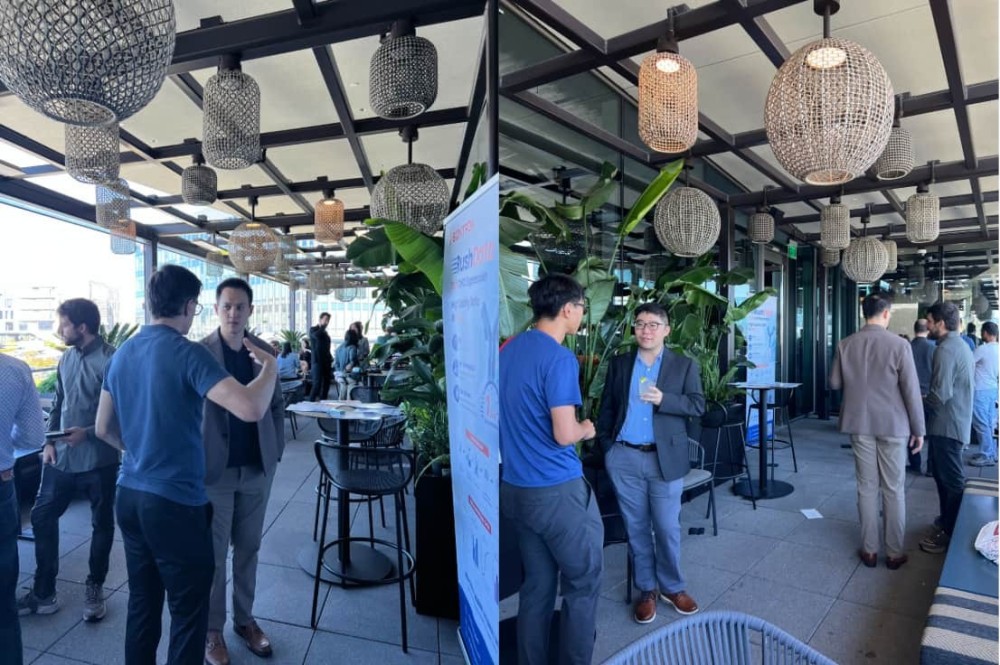




The 17th Annual World Bispecific Summit was held on September 15-17, 2026, in Boston, Massachusetts. With a focus on antibody engineering, novel target combinations, T-cell engagers, and clinical translation, the conference highlighted emerging approaches to improving therapeutic efficacy, safety, and developability.
AI-Guided Antibody Design: Artificial intelligence and high-throughput screening are increasingly being integrated into antibody discovery to accelerate molecular optimization, target pairing, and candidate selection.
Next-Generation T-Cell Engagers: Novel co-stimulatory mechanisms involving CD2 and CD28, alongside dual-targeting and multispecific formats, are being explored to improve T-cell activation and efficacy against solid tumors.
Conditionally Active Antibodies: Masking technologies, avidity-based targeting, and logic-gated designs are emerging as strategies to improve tumor selectivity and expand therapeutic windows.
Multispecific ADC Innovation: Bispecific and trispecific ADCs are being developed to improve target coverage, address tumor heterogeneity, and overcome resistance to conventional monospecific therapies.
Early Developability and Data-Driven Optimization: Greater emphasis is being placed on antibody stability, correct chain pairing, functional characterization, and quantitative modeling to reduce development risks and support clinical translation.
Bispecific Antibody Expression →
Advances in computational design and experimental screening are enabling researchers to evaluate more complex antibody architectures while improving the efficiency of discovery and optimization.
AI-guided design is being integrated into next-generation T-cell engager discovery to optimize antibody affinity, epitope selection, and dual-targeting architectures. These approaches aim to improve tumor selectivity and overcome limitations in solid-tumor efficacy. (Amgen)
Protein trans-splicing enables the modular generation of diverse multispecific antibody formats while preserving biophysical and functional properties comparable to conventionally produced molecules. The technology facilitates high-throughput screening of combinatorial antibody libraries to identify functional binder combinations. (AstraZeneca)
Common light chain transgenic mouse platforms combined with high-throughput functional screening enable rapid discovery of biparatopic antibodies recognizing distinct epitopes on the same target. These approaches support candidate selection while maintaining binding affinity and manufacturability. (Alloy Therapeutics)
Engineering strategies that prevent light chain mispairing allow the generation of IgG-like bispecific antibodies from parental monoclonal antibodies without modifying their light chains. This simplifies antibody format conversion and supports high-quality CHO cell line production. (ATUM)
Improving the efficacy of T-cell engagers against solid tumors remained a major research focus. Several presentations investigated how additional receptor interactions and co-stimulatory signals could overcome limitations of conventional CD3-based bispecific antibodies.
Integrating CD2 co-stimulation into CD3-targeting trispecific T-cell engagers enhances T-cell activation, proliferation, and tumor-cell killing compared with first-generation CD3 bispecific formats. Preclinical findings also indicated that improved activity could be achieved without excessive cytokine release or tonic T-cell activation. (EvolveImmune Therapeutics)
Incorporating CD28 agonistic activity into bispecific antibody formats offers a strategy to strengthen T-cell effector function and improve antitumor responses in solid tumors, where conventional T-cell engagers have demonstrated more limited clinical efficacy than in hematologic malignancies. (Rondo Therapeutics)
Combining conditional CD3 activation with CD2 co-stimulation and CD58-mediated adhesion may lower the activation threshold for T cells while mitigating cytokine release. This approach aims to improve immune synapse formation and enhance antitumor activity within solid-tumor microenvironments. (SynaptImmune Therapeutics)
Modular tetraspecific antibody architectures integrating CD3 and CD28 are being developed to improve T-cell activation, persistence, and therapeutic efficacy. Incorporating multiple binding specificities within a single molecule may also enhance precision targeting and address limitations of traditional T-cell engagers. (ModeX Therapeutics)
Gamma delta T cells are being explored as an alternative immune effector population to conventional CD3-based T-cell engagement. Novel engager mechanisms designed to expand gamma delta T cells in vivo may broaden therapeutic applications across oncology and autoimmune diseases. (IN8Bio)
Researchers are increasingly exploring how antibody design can distinguish tumor cells from healthy tissues, improving therapeutic precision while reducing unwanted immune activation.
B7-H7 is a promising target for solid-tumor T-cell engagers because of its reported broad expression across several malignancies and relatively restricted expression in healthy tissues. Optimized molecular architectures and biomarker-driven patient selection are being used to improve therapeutic selectivity and expand the potential therapeutic index. (NextPoint Therapeutics)
Tumor-selective masking strategies can regulate the activity of bispecific and multispecific antibodies. Masked PD-1/IL-2 bispecifics, CLDN18.2-targeting T-cell engagers, and dual-target PSMA/STEAP1 engagers demonstrate how conditional activation may improve therapeutic selectivity while supporting more potent immune responses. (Xilio Therapeutics)
Rational target pairing and dual-target recognition provide opportunities to develop differentiated multispecific antibodies with improved therapeutic windows. Selecting complementary target combinations may increase tumor selectivity and expand the population of patients eligible for treatment. (Oxford Biotherapeutics)
Conditionally active T-cell engagers and logic-gated bispecific ADCs are being engineered to increase tumor selectivity. Combinatorial screening and multispecific targeting strategies may improve target coverage while restricting therapeutic activity to cells meeting defined biological conditions. (AstraZeneca)
Avidity-driven multispecific designs require detailed biological characterization of target expression, receptor interactions, and CD3 binding affinity. Optimizing these properties within the context of each molecular format may improve T-cell engager activity and inform safer clinical dosing strategies. (Pfizer)
Beyond conventional bispecific T-cell engagers, researchers are developing new antibody architectures that combine multiple targeting functions or activate alternative mechanisms of tumor-cell death.
Bispecific and trispecific ADCs demonstrated tumor-cell killing across diverse breast cancer cell lines in preclinical assays. Multitarget ADC formats also showed broader and more durable tumor control in vivo, including activity against drug-resistant cell populations that evade monospecific therapy.
Logic-gated bispecific ADCs are being developed to improve tumor selectivity and expand antigen coverage. By integrating multiple targeting functions, these formats may help address tumor heterogeneity while reducing activity against healthy tissues. (AstraZeneca)
Antigen-guided DR5 superclustering provides an alternative mechanism of antibody-mediated tumor killing without cytotoxic payloads. MUC16-targeted receptor clustering was reported to induce extrinsic apoptotic signaling and tumor regression in pancreatic, lung, and ovarian xenograft models, alongside favorable nonhuman primate safety findings. (ImmuVia)
Bispecific antibody engineering can redirect endogenous IL-15 activity toward PD-1-high-expressing T cells while incorporating checkpoint inhibition. Quantitative systems pharmacology modeling was used to support candidate design and evaluate the potential for improved therapeutic selectivity and efficacy. (Reverb Therapeutics)
ADC High-throughput Antibody Conjugation →
As multispecific antibody formats become more complex, early assessment of biophysical properties, functional activity, and manufacturability is becoming increasingly important for successful clinical development.
Cell-based potency assays and orthogonal analytical methods are essential for evaluating the functional activity of complex multispecific biologics. Robust assay development provides data to guide formulation optimization, process development, and product quality assessment. (Merck)
Risk-based CMC development strategies for PD-1/VEGF bispecific antibodies emphasize early evaluation of purification efficiency, manufacturability, and product variant control. Integrating molecular and process characterization can help accelerate development timelines and reduce downstream manufacturing risks. (Crescent Biopharma)
Early assessment of chain pairing, heterodimer formation, expression balance, and unwanted product species can improve bispecific antibody manufacturing. Integrated CHO cell line and process development platforms aim to achieve high productivity while preserving the intended molecular profile.
Early developability and manufacturability assessments help identify potential productivity and product quality risks before process development. Generating representative non-GMP material allows experimental evaluation of these properties and supports more informed downstream manufacturing decisions.
Quantitative systems pharmacology modeling can inform dosing strategies for bispecific antibodies by predicting immune-cell dynamics and cytokine responses. Modeling of TAK-280 suggested comparable safety outcomes for once-weekly and twice-weekly dosing, with immune-cell desensitization contributing to attenuation of peak cytokine concentrations. (Takeda Pharmaceuticals)
Clinical development of DLL3-targeting bispecific T-cell engagers is expanding beyond second-line treatment toward frontline and combination approaches in small-cell lung cancer, highlighting continued efforts to broaden the therapeutic applications of clinically validated T-cell engager platforms. (Amgen)
Antibody Developability Assessment →
The 2026 World Bispecific Summit highlighted a rapidly evolving landscape in antibody research, driven by advances in molecular engineering, immune modulation, and multispecific therapeutic design.
Across the scientific program, a common direction emerged: the next generation of antibody therapeutics will depend not only on innovative molecular architectures but also on the ability to experimentally validate their functionality, selectivity, safety, and developability.
AI-guided design, high-throughput discovery, conditional activation, and novel immune-cell engagement are expanding the possibilities for antibody-based therapies. At the same time, the increasing complexity of these molecules reinforces the importance of robust experimental characterization and integrated development strategies.
Together, these advances point toward a more data-driven approach to antibody discovery, supporting the development of safer, more effective, and more precisely targeted biologics.
Biointron’s Antibodies After Hours: From Algorithms to Antibodies was held at Th……
Discover how high-throughput wet-lab validation connects AI-designed antibody se……
Understand the hybridoma generation process for monoclonal antibody production, ……