





Biointron's Q3 2026 Antibody Industry Trends report aims to explore the events and trends of the biopharmaceutical industry in July, August, and September.
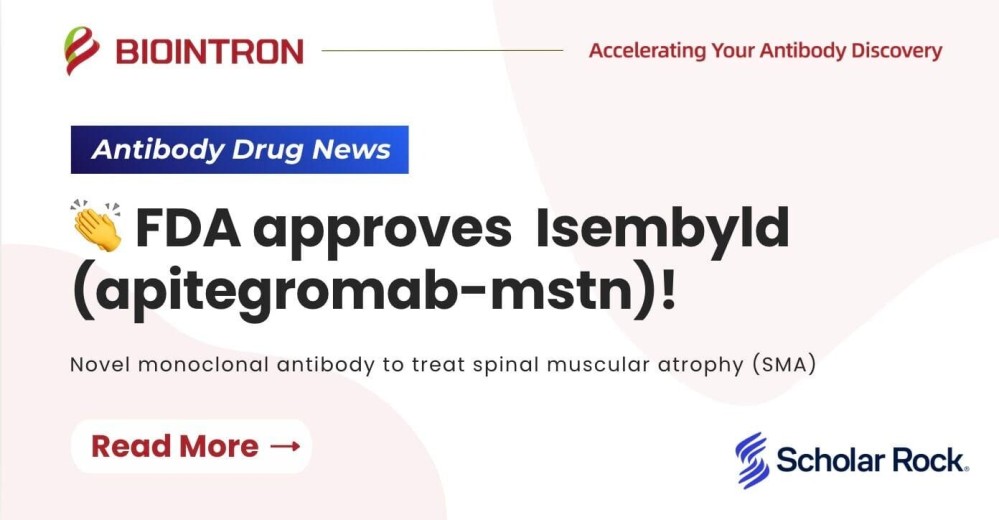
On September 18, 2026, the FDA approved Isembyld (apitegromab-mstn) from Scholar Rock for spinal muscular atrophy (SMA), making it the first approved SMA therapy that directly targets muscle loss and the first approved antibody targeting the myostatin pathway for this indication. The drug is approved for adults and children aged 2 years and older who are already receiving an SMN2-targeted therapy.
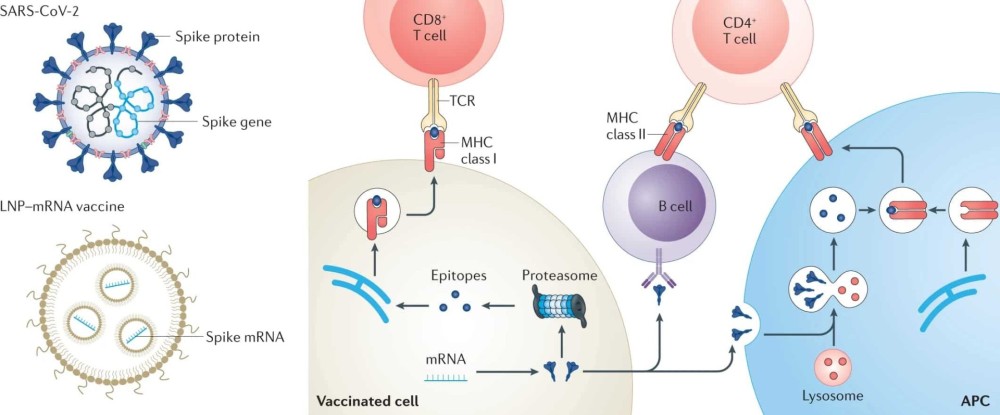
mRNA-encoded antibodies are an approach in which synthetic messenger RNA carries the sequence of a therapeutic antibody into cells, allowing the body's cellular machinery to transiently produce and secrete the antibody.
Artificial intelligence (AI) can be used throughout the drug development process, including in early-stage screening, computer-aided optimization, nonclinical simulation, and clinical trial implementation. However, challenges in data reliability and AI prediction verification have limited its adoption in antibody drug discovery.
Peptides and antibodies have different strengths as therapeutic molecules. Peptides are short chains of amino acids that can bind compact or structurally difficult targets, while monoclonal antibodies offer high specificity, long circulation times and, depending on their format, immune effector functions.
Therapeutic antibodies are often used to block receptors or neutralize soluble molecules. Another approach is to use antibodies to recognize abnormal forms of proteins that have accumulated in tissues and help the immune system remove them.
The therapeutic window is relatively narrow for some antibody-drug conjugates (ADCs). Toxicity outside the tumor can arise through several routes, including binding to the intended antigen on healthy cells, nonspecific uptake of the ADC, premature release of the payload, and exposure of neighboring tissues to membrane-permeable payloads.
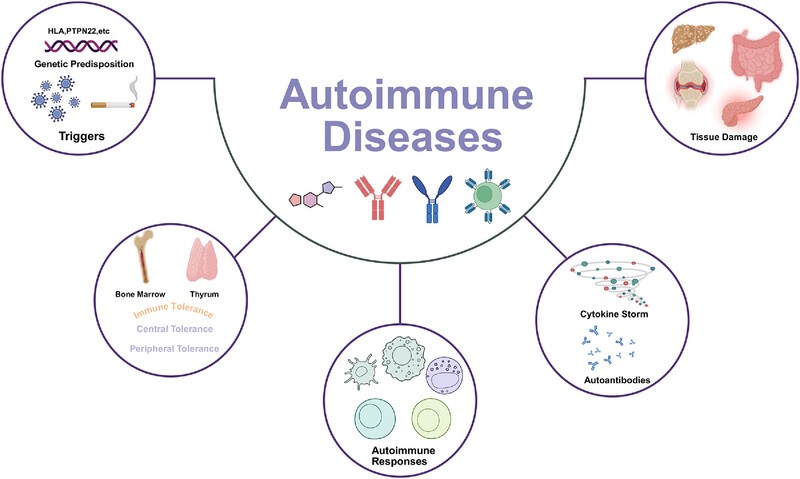
Autoimmune diseases are a group of disorders in which the immune system targets the body’s own tissues, resulting in chronic inflammation, tissue injury, and, in some cases, systemic dysfunction. In some conditions, long-lived immune cells remain capable of restarting the same pathogenic response.
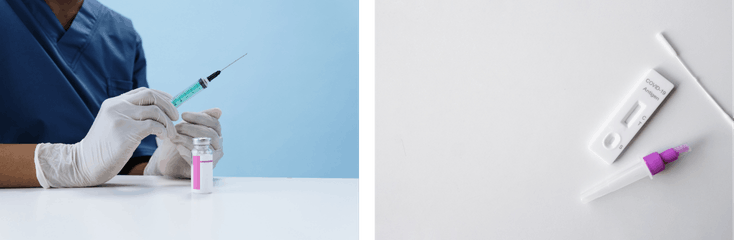
Antibodies are important raw materials for many in vitro diagnostic (IVD) applications, including enzyme-linked immunosorbent assays, chemiluminescent immunoassays, lateral flow assays, and particle-based immunoassays.
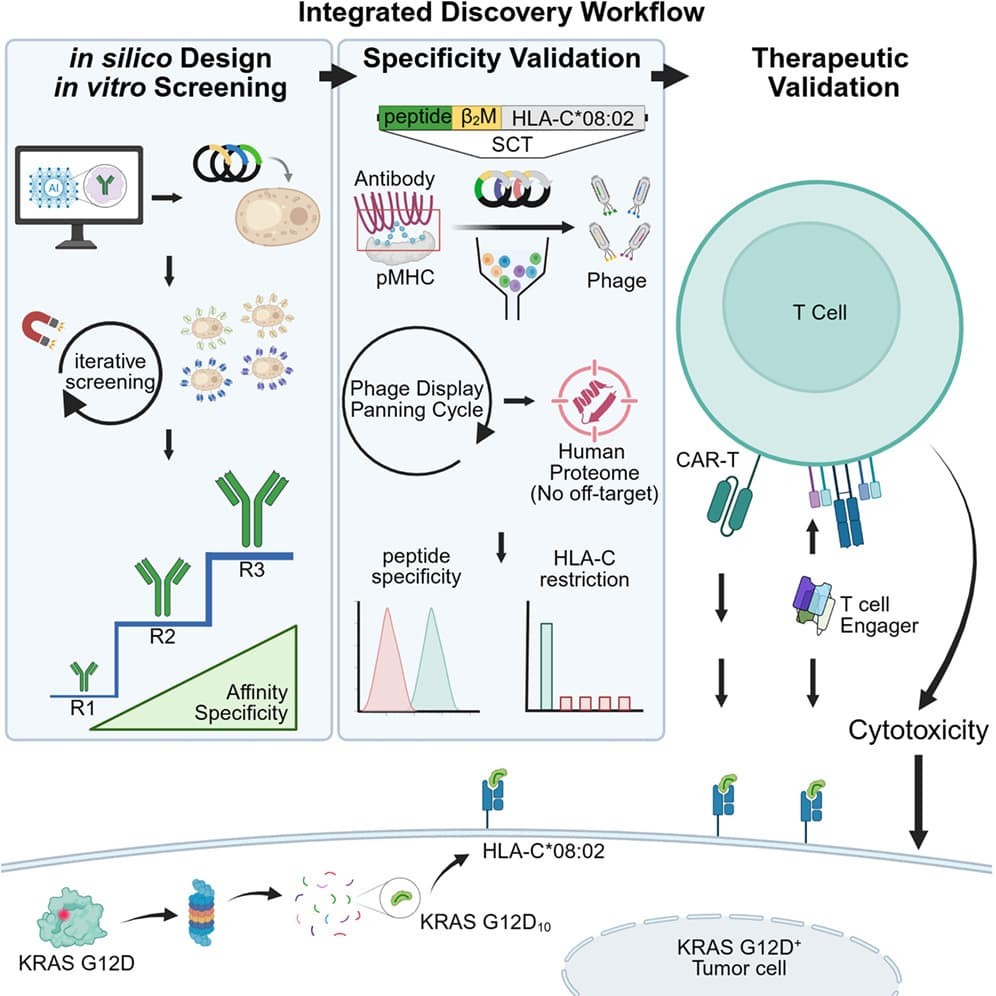
For decades, many disease-driving proteins were described as undruggable because they lacked suitable binding pockets for small-molecule drugs or were inaccessible to conventional biologics. Antibodies face an especially clear limitation: they generally bind proteins located on the cell surface or secreted into the extracellular environment, while many major cancer drivers, including KRAS, p53, and transcription factors, operate inside cells.
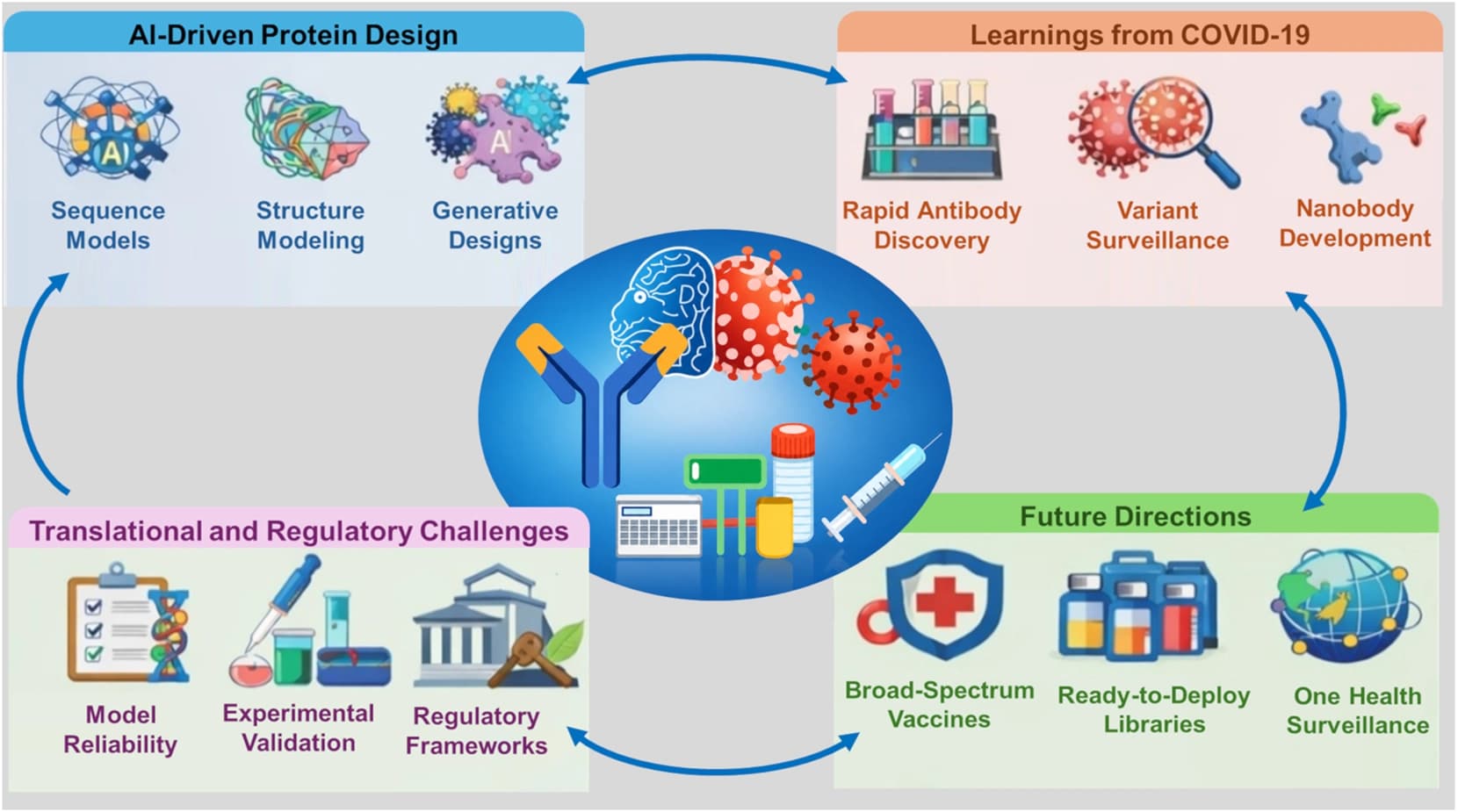
The first wave of antibody drugs against COVID-19 showed both the promise and the limitations of this form of treatment. Researchers are now exploring ways to develop antibodies that remain effective against a wider range of variants, while also using artificial intelligence to analyze viral evolution and guide protein design.
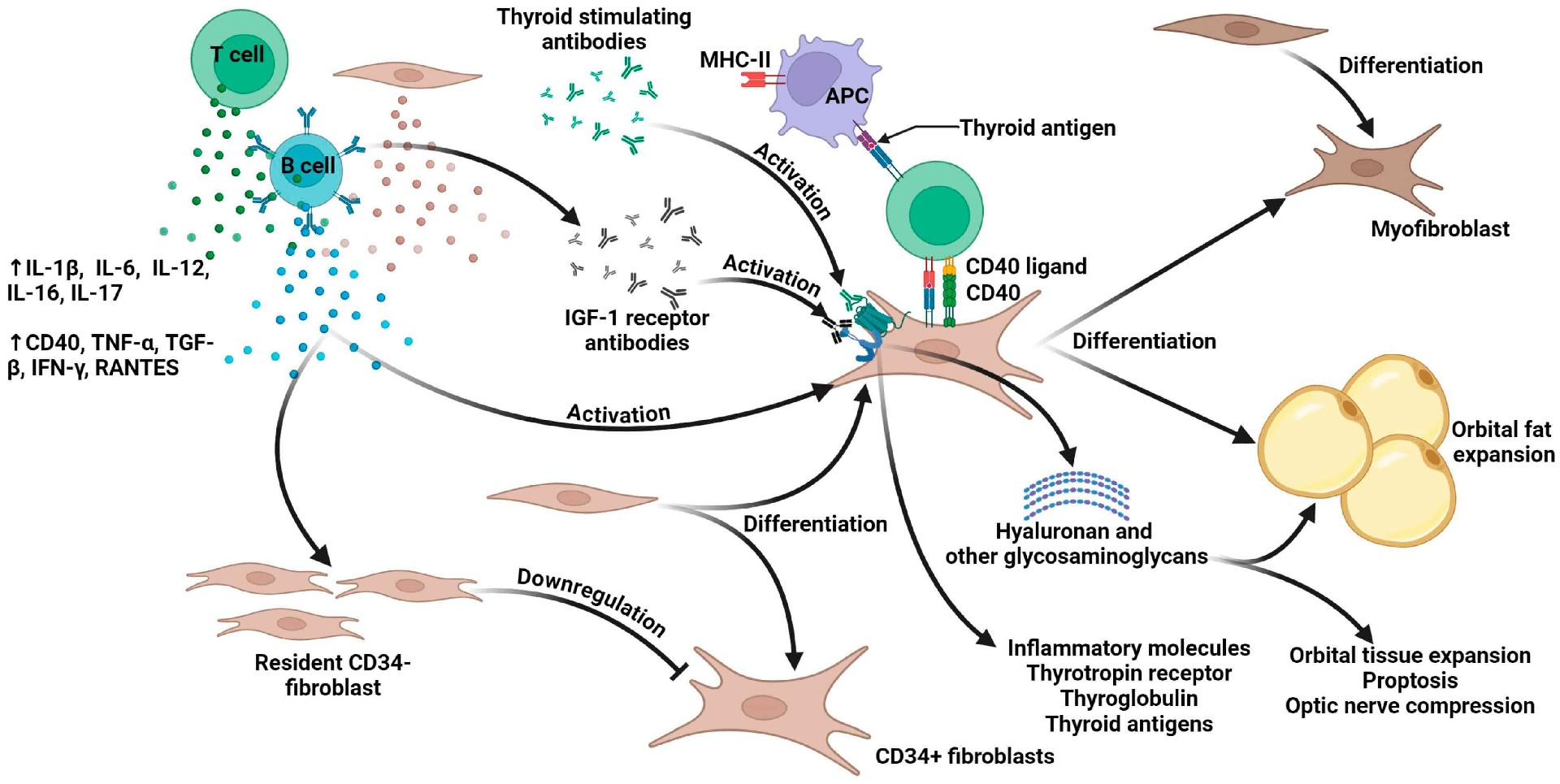
TED is a rare, debilitating disease that can cause eye dryness and redness, eyelid swelling or retraction, bulging eyes (proptosis), double vision, and, in severe cases, vision impairment.