


Antibody-drug conjugates (ADCs) combine a monoclonal antibody with a potent drug payload through a chemical linker, with the goal of concentrating cytotoxic activity in tumor cells while limiting exposure elsewhere. The therapeutic window (the range of exposure over which a treatment is effective without causing unacceptable toxicity) can nevertheless remain relatively narrow for some ADCs. Toxicity outside the tumor can arise through several routes, including binding to the intended antigen on healthy cells, nonspecific uptake of the ADC, premature release of the payload, and exposure of neighboring tissues to membrane-permeable payloads. Recent clinical and preclinical studies are providing a more detailed picture of how these mechanisms interact and how ADC design might influence tolerability.

The antibody improves selectivity, but ADC distribution remains systemic. Although ADCs are designed to direct cytotoxic drugs toward tumor cells, much of an administered ADC dose does not ultimately reach the intended tumor population. A recent review of ADC toxicity mechanisms estimates that only ~0.1% of the injected dose of an ADC is delivered to the targeted diseased cell population, with the majority of the dose catabolized “off-site” within non-targeted healthy cells.
There are two different routes to off-tumor toxicity:
On-target, off-tumor: The antibody binds the correct antigen, but the same antigen is also accessible on healthy cells.
Off-target, off-tumor: The payload reaches healthy tissue without productive tumor targeting. Possible mechanisms include premature linker cleavage, nonspecific endocytosis, Fc receptor-mediated uptake, and uptake associated with ADC physicochemical properties.
Similar payloads can produce similar adverse events across different ADCs. Clinical analyses found that ADCs carrying the same payload class frequently share dose-limiting toxicities even when they target different antigens. Dose-limiting toxicity (DLT) is an adverse effect severe enough to prevent further dose escalation or continued treatment at that dose.
MMAE-containing ADCs, for example, have commonly been associated with hematologic toxicity and peripheral neuropathy, while ocular toxicity has been repeatedly observed with some MMAF- and DM4-containing ADCs.
However, many other factors besides payload affect toxicity, including target distribution, linker behavior, ADC uptake, drug-to-antibody ratio, and physicochemical properties.
Cleavable linkers are designed to remain relatively stable during circulation and release the payload under conditions associated with the tumor or intracellular compartments.
In practice, some cleavable linkers can also undergo cleavage outside the intended site. Premature payload release can expose healthy cells to the same potent drug the ADC was designed to concentrate in tumors.
The bystander effect creates an efficacy-toxicity trade-off. After payload release from an ADC-treated tumor cell, a membrane-permeable drug can diffuse into nearby cells. This can be useful when antigen expression is heterogeneous because neighboring antigen-low or antigen-negative tumor cells may also be killed. Unfortunately, the same ability to leave the targeted cell can increase exposure of normal tissues under some conditions.

Recently, researchers have discovered a novel tripeptide linker that broadens the therapeutic window of auristatin-based antibody–drug conjugates by reducing bone marrow toxicity.
Vedotin-based ADCs use the Val-Cit linker together with the microtubule inhibitor MMAE. The study focused on the hypothesis that neutrophil-derived proteases in the bone marrow can cleave Val-Cit outside tumor cells, releasing MMAE and contributing to neutropenia.
They screened a library of 1,728 tripeptide sequences and identified a DLeu-Ala-Glu linker that showed greater resistance to neutrophil proteases while retaining cleavage and activity in tumor-associated conditions. ADCs containing the linker produced less bone-marrow toxicity in preclinical models while maintaining antitumor efficacy relative to vedotin controls.
The study also found correlations between linker hydrophobicity, nonspecific binding and bone-marrow toxicity. More hydrophobic drug-linkers were associated with greater nonspecific binding, while the more hydrophilic DLeu-Ala-Glu construct showed reduced binding and toxicity.
This provides two related research directions: increasing protease selectivity, and adjusting physicochemical properties, including hydrophobicity.

Recent and ongoing work points toward several ways researchers are attempting to improve ADC tolerability:
More selective linker cleavage to reduce payload release in healthy tissues.
Greater linker stability during systemic circulation.
Lower nonspecific binding and uptake through optimization of ADC hydrophobicity and other physicochemical properties.
Payload selection that considers both antitumor potency and tissue-specific toxicity.
Target selection that considers antigen distribution in normal as well as malignant tissues.
Modified dosing schedules that may reduce peak exposures associated with toxicity.
More detailed monitoring of delayed toxicities during clinical development.
As ADC development expands across targets, payloads and linker chemistries, toxicity remains closely connected to the same features that determine therapeutic activity. Recent studies are therefore examining not only whether an ADC reaches a tumor, but where the intact conjugate and released payload travel afterward. Understanding those pathways may help clarify how future ADC designs can preserve tumor activity while reducing exposure to vulnerable normal tissues.
Biointron’s ADC conjugation platform, combined with our existing antibody expression and engineering platform advantages, can provide customers with a complete service process from antibody expression and conjugation to quality assessment, meeting the needs for screening, testing, and evaluation of ADCs in preclinical settings.
Biointron's Q3 2026 Antibody Industry Trends report aims to explore the events a……
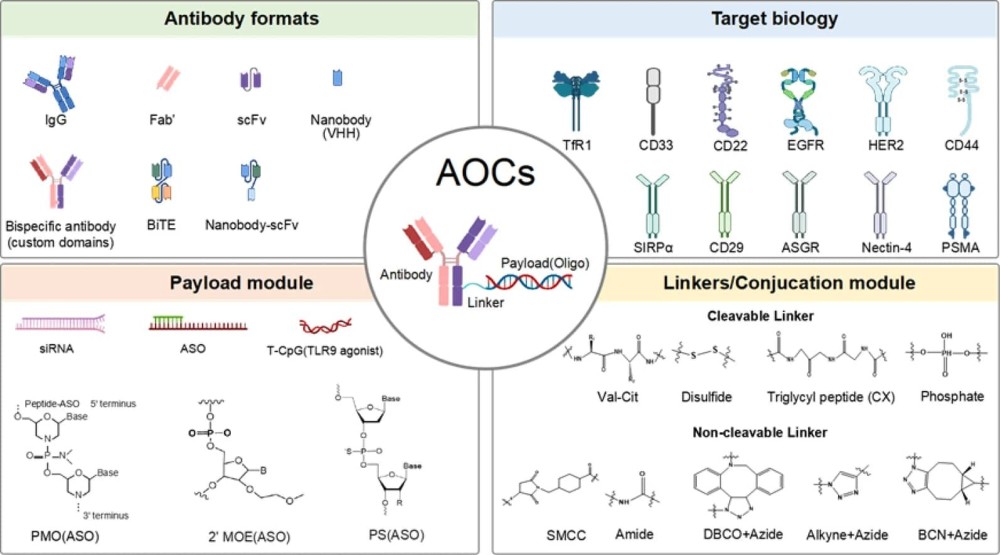
Antibody-oligonucleotide conjugates, or AOCs, are an emerging therapeutic format……
On September 18, 2026, the FDA approved Isembyld (apitegromab-mstn) from Scholar……
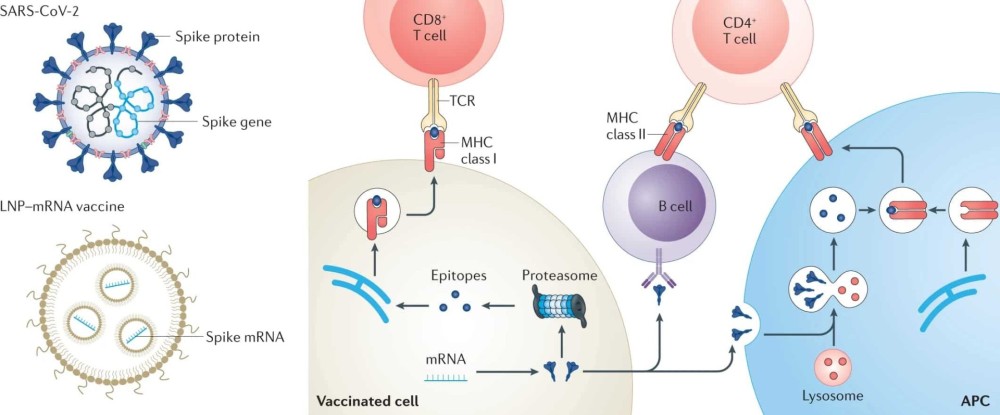
mRNA-encoded antibodies are an approach in which synthetic messenger RNA carries……