



On September 18, 2026, the FDA approved Isembyld (apitegromab-mstn) from Scholar Rock for spinal muscular atrophy (SMA), making it the first approved SMA therapy that directly targets muscle loss and the first approved antibody targeting the myostatin pathway for this indication. The drug is approved for adults and children aged 2 years and older who are already receiving an SMN2-targeted therapy.

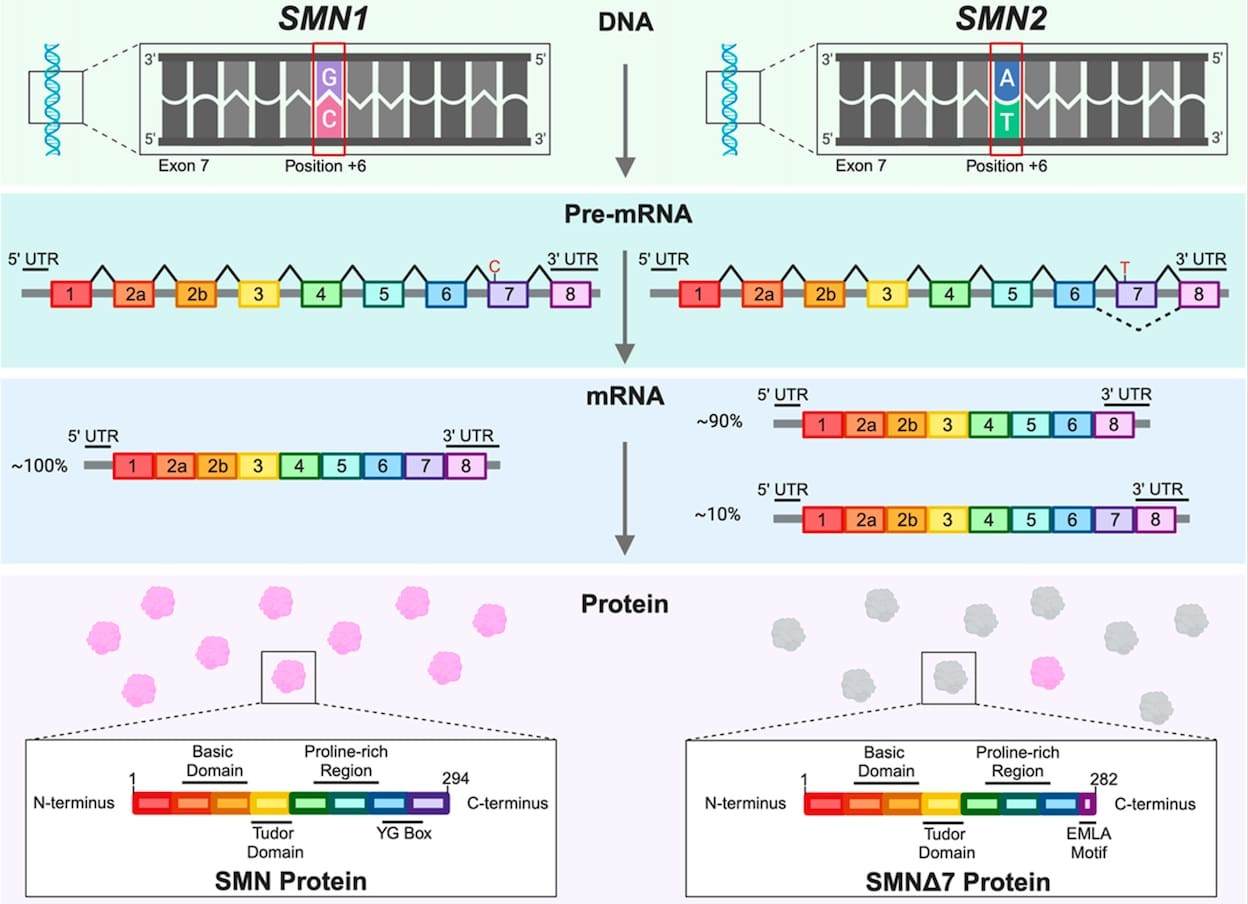
Spinal muscular atrophy is a rare, progressive neuromuscular disease that affects an estimated 1 in 10,000 live births globally. As an inherited genetic disorder, it is caused by mutations in the survival motor neuron 1 (SMN1) gene, which then fails to produce a protein essential for motor neuron survival.
Existing therapies largely address the underlying SMN deficiency, including treatments that modify SMN2 expression. Although these approaches have substantially improved survival and clinical outcomes, many patients, particularly those with more advanced disease, continue to experience muscle weakness and impaired motor function.
Apitegromab selectively targets promyostatin to prevent its activation into the active form, which normally limits muscle growth. Myostatin, a member of the TGFβ superfamily of growth factors, is expressed primarily by skeletal muscle cells, and the absence of its gene is associated with an increase in muscle mass and strength in multiple animal species, including humans. The approval establishes a first-in-class therapeutic approach and could also increase interest in myostatin-targeted therapies for other settings involving muscle preservation or loss.
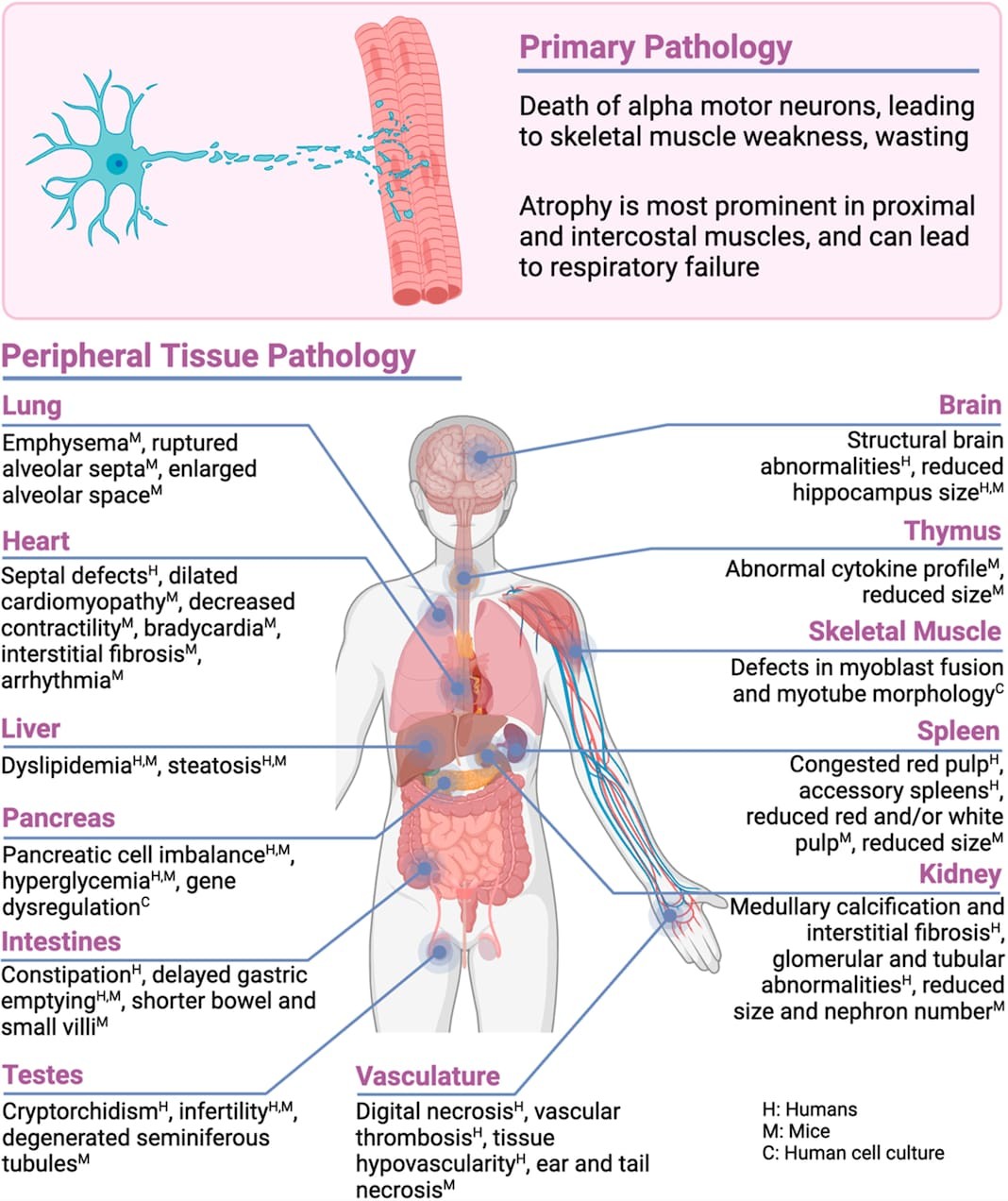
Muscle weakness in SMA is closely linked to motor-neuron loss and subsequent denervation, but evidence suggests that skeletal muscle may also be directly affected by low SMN levels.
Experimental depletion of SMN in muscle cells has been associated with abnormal myoblast fusion and myotube morphology. In mouse models, muscle weakness can appear before overt motor-neuron loss, and selective depletion of SMN in skeletal muscle produces damaged muscle fibers and impaired motor function without reducing spinal motor-neuron numbers.
These findings suggest that at least part of SMA muscle pathology may arise within skeletal muscle itself, thus it may be possible to increase the capacity of the remaining neuromuscular system by improving skeletal-muscle growth and function.
Instead of binding mature active myostatin, apitegromab prevents activation of its precursor by blocking the proteolytic cleavage required to release active myostatin. Reduced myostatin activity is associated with increased skeletal-muscle mass, providing a mechanistic basis for investigating the pathway in diseases characterized by muscle weakness.
However, apitegromab's success does not mean that all approaches inhibiting myostatin will improve motor function in SMA.
Emugrobart (GYM329), another monoclonal antibody targeting myostatin, was evaluated with risdiplam in the phase II/III MANATEE trial, but its SMA development program was discontinued after it failed to consistently improve muscle growth and motor function compared with risdiplam alone. Taldefgrobep alfa, a protein therapeutic designed to reduce active myostatin, likewise failed to show a statistically significant benefit when added to existing disease-modifying therapies in the phase III RESILIENT trial.
Differences in how a therapeutic engages the myostatin pathway, which molecular forms it targets, the patient population, and the stage of disease all influence clinical outcome.
Apitegromab therefore introduces a therapeutic strategy directed at a downstream component of SMA pathology while existing treatments, such as Biogen’s nusinersen (Spinraza), Roche’s risdiplam (Evrysdi) and Novartis’s onasemnogene abeparvovec (Zolgensma) continue to address the underlying SMN deficiency.
Disease-modifying therapies have transformed the natural history of spinal muscular atrophy (SMA), particularly when treatment begins before symptom onset and significant motor neuron loss. In older individuals, however, treatment often stabilizes rather than restores motor function because lost motor neurons cannot be recovered. Many patients therefore continue to seek improvements in strength and mobility, not only disease stabilization.
As people with SMA live longer, new clinical challenges have also emerged, including progressive scoliosis, bulbar dysfunction, and neurocognitive concerns. Despite major advances in understanding and treating SMA, important unmet needs remain and will require new therapeutic approaches.
Biointron's Q3 2026 Antibody Industry Trends report aims to explore the events a……
mRNA-encoded antibodies are an approach in which synthetic messenger RNA carries……
Artificial intelligence (AI) can be used throughout the drug development process……