



The 17th Annual World ADC San Diego Summit was held on October 12-15, 2026, and brought together researchers, biotechnology innovators, and pharmaceutical leaders to examine advances in antibody-drug conjugate (ADC) research and development. With a focus on novel payload mechanisms, antibody engineering, bispecific and dual-payload ADCs, and clinical translation, the conference highlighted emerging strategies to improve therapeutic efficacy, overcome treatment resistance, and expand therapeutic windows. The scientific program reflected a growing emphasis on developing differentiated ADCs beyond conventional topoisomerase I (Topo1) inhibitors and traditional cytotoxic payloads.
Novel Payload Mechanisms Beyond Topo1: Researchers are investigating protein degraders, protein synthesis inhibitors, protein alkylators, and immune-modulating payloads to overcome resistance and diversify ADC mechanisms of action.
Bispecific and Multispecific ADC Engineering: Dual-targeting, biparatopic, and trispecific antibody formats are being developed to address tumor heterogeneity, improve antigen coverage, and enhance tumor-selective delivery.
Dual-Payload ADC Innovation: Combining complementary payload mechanisms within a single antibody conjugate is emerging as a strategy to overcome single-payload resistance and achieve more durable antitumor responses.
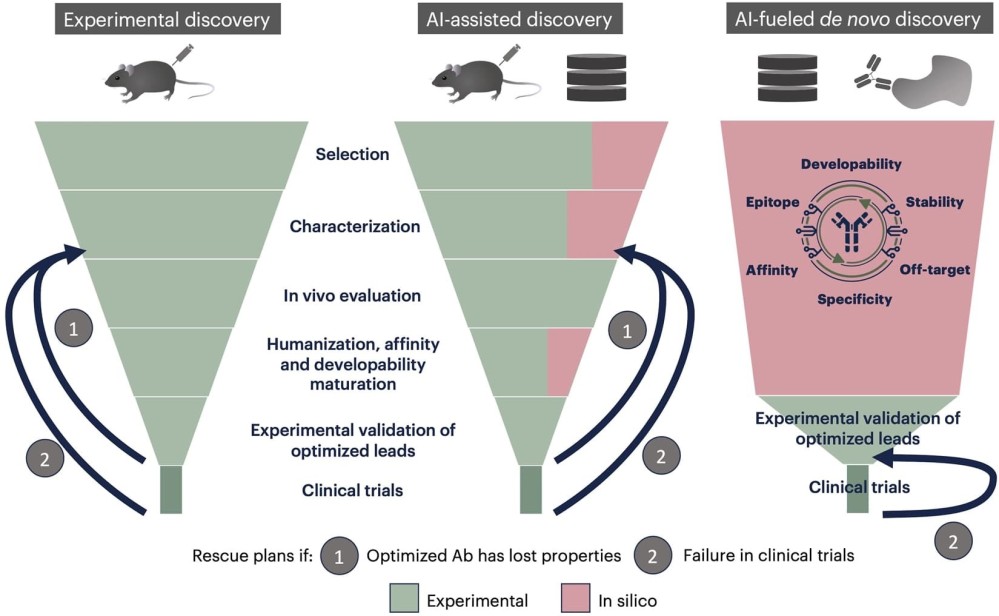
AI-Driven Target Discovery and Functional Screening: Artificial intelligence, patient-derived organoids, and high-throughput antibody screening are increasingly being integrated to improve target identification, antibody selection, and experimental validation.
Precision Conjugation and Translational Optimization: Site-specific conjugation, linker engineering, biomarker-driven patient selection, and early developability assessment are gaining importance in improving ADC stability, therapeutic index, and clinical translation.
ADC High-throughput Antibody Conjugation →
As resistance to established ADC payload classes remains a challenge, researchers are exploring alternative mechanisms of action to improve antitumor efficacy and expand therapeutic applications.
Proteolysis-targeting chimera (PROTAC) payloads are being developed for antibody-mediated delivery of targeted protein degraders. Medicinal chemistry optimization and conjugation strategies may enable degradation-based therapeutic mechanisms in tumors where conventional small-molecule inhibitors have demonstrated limited efficacy. (AstraZeneca)
Novel ADC payloads that inhibit protein translation demonstrated robust antitumor activity across multiple tumor types in preclinical in vitro and in vivo studies. The reported mechanism also induced immunogenic cell death, suggesting potential benefits beyond direct cytotoxicity. (Pfizer)
Protein alkylation is being explored as an alternative ADC payload mechanism beyond Topo1 inhibitors and tubulin-targeting agents. The B7-H3-targeting ADC IKS073 incorporates a protein-alkylating payload, with preclinical evaluation supporting investigation of its therapeutic potential in solid tumors. (Iksuda Therapeutics)
Modification of auristatin payload chemistry may improve ADC tolerability without compromising antitumor potency. Preclinical evaluation of the GPNMB-targeting ADC PF-08046033, incorporating auristatin-S, indicated preserved potency, improved tolerability, and an expanded therapeutic window compared with historical limitations associated with vedotin-based ADCs. (Pfizer)
Novel antibody fornats are expanding ADC targeting capabilities by enabling recognition of multiple antigens or epitopes, potentially improving efficacy against heterogeneous tumors and resistant cell populations.
Multi-epitope targeting tetravalent ADCs are being developed to enhance tumor recognition and improve therapeutic selectivity. Screening more than 50 target pairs using the MUTTA platform identified over 15 novel dual-targeting ADC candidates, including a MUC16/NaPi2b-targeting construct, AV-P138-ADC/ARR-002. (Aarvik Therapeutics)
Bispecific ADCs targeting B7-H3 and ROR1 are being investigated to improve therapeutic differentiation in tumors expressing multiple antigens. Preclinical evaluation and early clinical development of NEOK001 and NEOK002 explore the potential efficacy and tolerability advantages of bispecific ADCs compared with monospecific approaches. (NEOK Bio)
Bispecific and trispecific ADC formats demonstrated tumor-cell killing across diverse breast cancer cell lines in vitro. Multitarget ADCs also showed broader and more durable tumor control in vivo, including activity against drug-resistant populations that evade monospecific antibody therapies.
Common light chain antibody engineering can reduce chain-mispairing challenges in dual-payload ADC development while maintaining molecular homogeneity and antibody-like stability. AI-assisted screening of tumor-associated antigens and antibody candidates can further support selection of molecules with favorable internalization properties.
Biparatopic ADC engineering combines dual-epitope binding with conjugation strategies to achieve differentiated therapeutic activity. Clinical evaluation of the 5T4-targeting ADC JK06 is examining how these properties influence antitumor efficacy and safety across lung and breast cancer cohorts.
Combining multiple cytotoxic mechanisms within a single antibody conjugate is emerging as an approach to improve treatment durability, particularly in tumors with heterogeneous drug sensitivities or resistance to established payload classes.
Dual-payload ADCs incorporating complementary mechanisms of action are being designed to overcome resistance to conventional single-payload therapies. CLIO-8221 represents a clinical-stage approach using rationally selected payload combinations to support deeper and more durable antitumor responses across solid tumors. (Callio Therapeutics)
Hydrophilic linker technology can help address physicochemical limitations associated with dual-payload ADCs. Optimizing payload ratios, drug-to-antibody ratio (DAR), and linker properties enables the combination of auristatins, Topo1 inhibitors, and other payload classes while balancing efficacy and tolerability.
Dual-orthogonal site-specific conjugation enables rapid construction of bispecific and dual-payload ADC libraries. Combining this approach with patient-derived organoid screening, patient-derived xenograft validation, and molecular-response profiling can support identification of complementary payload combinations and potential biomarkers for patient selection. (GeneQuantum Healthcare)
Modular linker platforms enable systematic comparison of antibody-payload combinations and construction of high-DAR conjugates with improved homogeneity. These technologies are being extended to dual-payload and immune-stimulating ADC architectures to support differentiated therapeutic design. (Tripartite Therapeutics)
Dual-payload ADC engineering is being explored for targeted treatment of hepatocellular carcinoma through complementary cytotoxic mechanisms. The anti-GPC3 candidate ACE723 is undergoing IND-enabling development, illustrating the application of dual-payload strategies to tumors with substantial unmet medical needs. (Acepodia)
The integration of computational analysis with experimental models is helping researchers identify promising ADC targets, evaluate tumor-specific biology, and improve predictions of therapeutic response.
AI-driven analysis of multimodal patient data can narrow genome-wide target candidates into prioritized lists for ADC development. Patient-derived organoid screening also demonstrated that antigen expression alone may not reliably predict ADC response, emphasizing the importance of functional testing and validation against real-world clinical outcomes.
AI-assisted antibody discovery platforms can screen large libraries of tumor-associated antigens and antibody candidates to identify promising ADC combinations. Computational evaluation of target expression and antibody internalization supports more efficient selection of candidates with favorable therapeutic properties.
Patient-derived tumor models combined with functional genomic screening can reveal ADC resistance mechanisms and identify new therapeutic targets. Preclinical findings suggested that resistance may depend strongly on payload mechanism rather than target-antigen expression alone, supporting a more comprehensive approach to candidate selection.
MUC1-C is being investigated as an alternative ADC target to the more traditionally explored MUC1-N subunit. Preclinical patient-derived xenograft studies supported further development of MUC1-C-targeting ADCs, including XYA01/02, for epithelial carcinomas.
Genomic profiling and real-world patient data can help identify biomarkers associated with trastuzumab deruxtecan response across HER2-expressing breast cancers. Integrating molecular information with clinical outcomes may improve patient stratification and support more personalized ADC treatment strategies.
As ADC molecules become more complex, improvements in conjugation chemistry, linker design, functional characterization, and translational modeling are becoming increasingly important for optimizing therapeutic performance and manufacturing consistency.
Site-specific conjugation technologies enable more precise control over drug-to-antibody ratio and payload distribution compared with conventional stochastic conjugation. ThioBridge technology is being evaluated to improve ADC stability, linker-payload optimization, and therapeutic activity through controlled antibody conjugation.
Site-specific conjugation combined with proprietary cleavable linker chemistry enables development of homogeneous ADCs with defined drug loading and circulation stability.
Novel linker systems capable of payload release within both the tumor microenvironment and cancer cells may improve ADC efficacy. Protease-cleavable linker designs demonstrated enhanced antitumor activity in preclinical mouse models, suggesting opportunities to optimize payload delivery beyond conventional intracellular-release mechanisms.
Quantitative systems pharmacology modeling can integrate target biology, ADC disposition, payload dynamics, and tumor–immune interactions to predict clinical efficacy and safety. Combining mechanistic simulations with preclinical and clinical data may improve dose selection, study design, and evaluation of ADC combination strategies.
Translational evaluation of ADCs increasingly requires integrated biomarker analysis, patient-derived models, and pharmacokinetic and pharmacodynamic characterization. These approaches can improve predictions of therapeutic response, identify resistance mechanisms, and support more informed progression from preclinical development into clinical studies.
ADC High-throughput Antibody Conjugation →
The 2026 World ADC San Diego Summit highlighted an evolving ADC research landscape, with increasing emphasis on novel payload mechanisms, advanced antibody engineering, and strategies to overcome therapeutic resistance.
A central message across the scientific program was that the next generation of ADCs will require optimization of the entire antibody-linker-payload system, supported by robust experimental characterization and translational validation.
Bispecific and dual-payload ADCs are expanding the possibilities for targeting heterogeneous tumors, while new payload mechanisms offer alternatives to established cytotoxic approaches. Meanwhile, AI-assisted discovery, functional screening, and precision conjugation technologies are providing additional opportunities to improve candidate selection and therapeutic differentiation.
ADC High-throughput Antibody Conjugation →
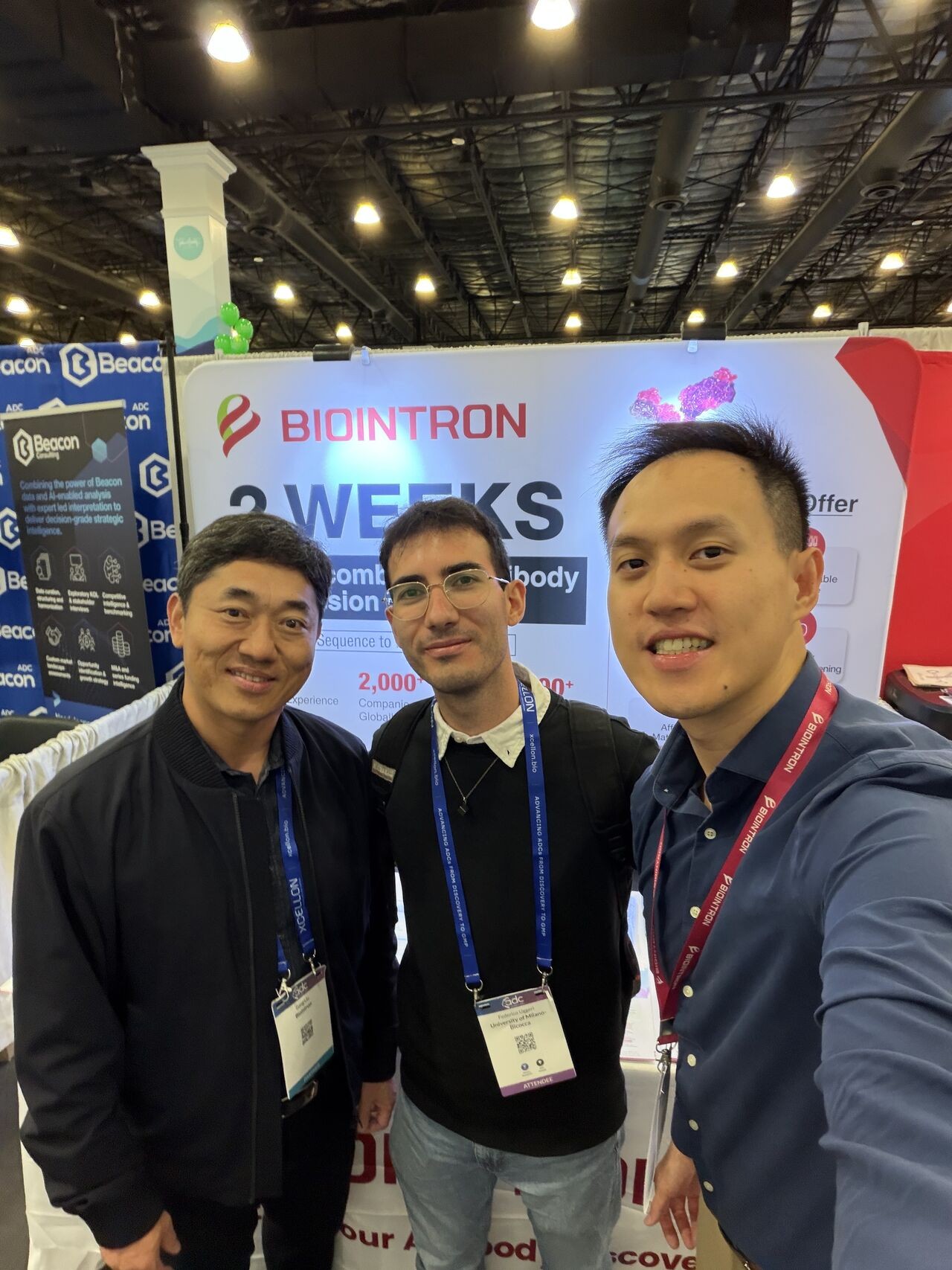
Thank you to everyone who visited our booth at World ADC 2026 to learn about our services! Our expert team would be happy to answer any follow-up questions. Feel free to email us at info@biointron.com or visit our website at www.biointron.com.
Recombinant antibody production involves introducing the genetic sequence encodi……
Antibody discovery has traditionally relied on screening large libraries of mole……
Explore September 2026 antibody biotech deals, including major licensing agreeme……