




Antibody-drug conjugates, or ADCs, have become an important class of targeted cancer therapeutics because they combine the binding specificity of antibodies with the cytotoxic potency of small-molecule payloads. A conventional ADC contains three core components: a monoclonal antibody, a chemical linker, and a cytotoxic drug. The antibody recognizes a tumor-associated antigen, the ADC is internalized by the target cell, and the payload is released intracellularly to induce cell death.
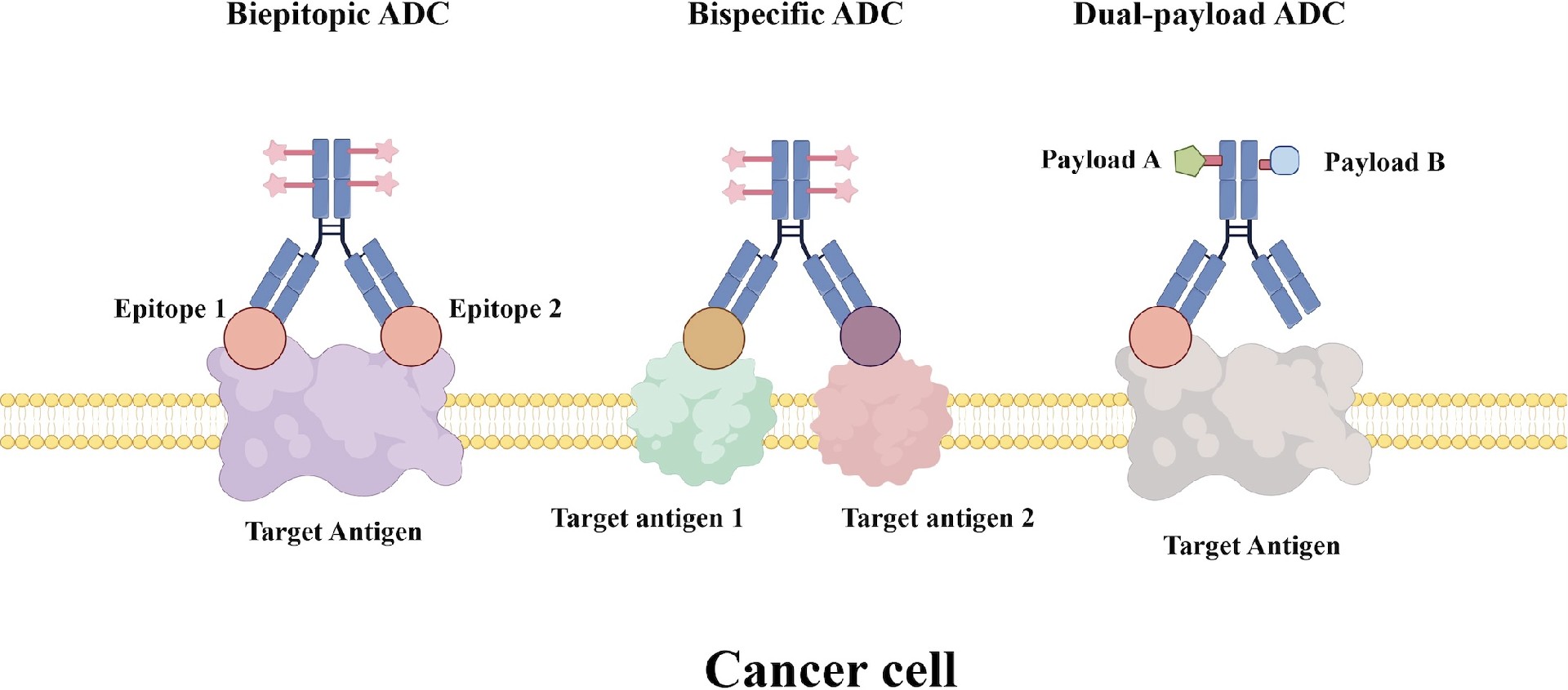
Bispecific antibody-drug conjugates, or BsADCs, combines the payload-delivery function of an ADC with the dual-recognition capacity of a bispecific antibody. Instead of binding one antigen or one epitope, the antibody component can be designed to recognize two different antigens, or two distinct epitopes on the same antigen. This added specificity may improve tumor selectivity, increase internalization, or broaden activity across heterogeneous tumors.
| Design Feature | Why it Matters |
|---|---|
| Dual-antigen targeting | May improve selectivity for cells co-expressing two tumor-associated markers. |
| Biparatopic targeting | Binding two epitopes on the same antigen may promote receptor clustering and internalization. |
| Internalization-shuttle strategy | A second receptor with efficient endocytosis may help move the ADC into lysosomes. |
| Cleavable linker | Can support intracellular payload release and, for membrane-permeable payloads, bystander killing. |
| Site-specific conjugation | May improve product homogeneity, DAR control, stability, and pharmacokinetics. |
| Developability screening | Increasing molecular complexity creates greater need for stability, expression, purification, and analytical assessment. |
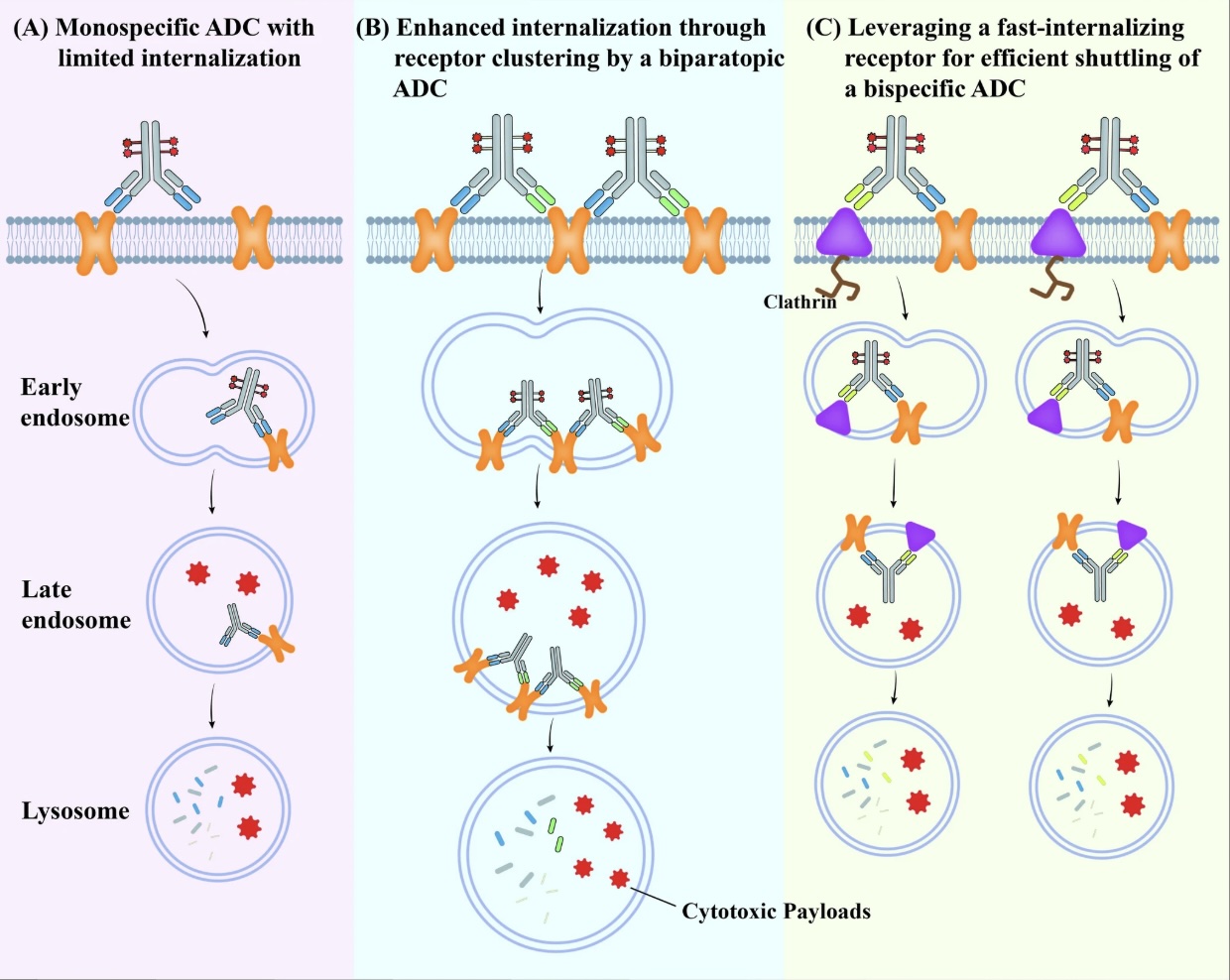
In BsADC development, a tumor antigen may be abundant on the cell surface, but if it does not internalize efficiently after antibody binding, it may be a poor ADC target. Since most ADC payloads must reach intracellular compartments before release, internalization is an important determinant of activity.
BsADCs address this problem through two main design strategies:
Biparatopic targeting: The antibody binds two non-overlapping epitopes on the same antigen. This can promote receptor clustering, which may increase endocytosis and lysosomal trafficking. Biparatopic HER2-directed BsADCs as examples of this strategy, including agents designed to bind different HER2 extracellular domains and increase internalization compared with single-epitope targeting.
Co-engagement of a rapidly internalizing receptor: In this model, one binding arm recognizes a tumor-associated antigen, while the other binds a receptor with efficient endocytic trafficking. HER2×CD63 is an example, where CD63 is used as an internalization-associated partner to help shuttle the ADC into lysosomes.
BsADC discovery also requires assessment of:
receptor internalization kinetics
lysosomal trafficking
epitope accessibility
co-expression of target pairs
binding geometry and valency
whether dual binding improves payload delivery relative to a monospecific ADC
Tumor heterogeneity is a challenge for ADCs, as antigen expression can differ between patients, between lesions, and among neighboring cells within the same tumor. If an ADC depends on a single antigen, tumor cells with low or absent expression may escape treatment.
BsADCs are being investigated as one way to expand tumor coverage. Dual-antigen recognition may increase the fraction of tumor cells that can be engaged, while biparatopic targeting may increase avidity and internalization when antigen expression is present but variable. If optimal activity requires co-expression of both targets on the same cell, then the targetable population may actually become narrower.
One mechanism that may help is the bystander effect. With cleavable linkers and membrane-permeable payloads, cytotoxic payload released inside antigen-positive cells can diffuse into nearby tumor cells with lower or absent antigen expression. This is important for addressing heterogeneous tumors, although there is the need to balance efficacy against off-target toxicity from premature payload release.
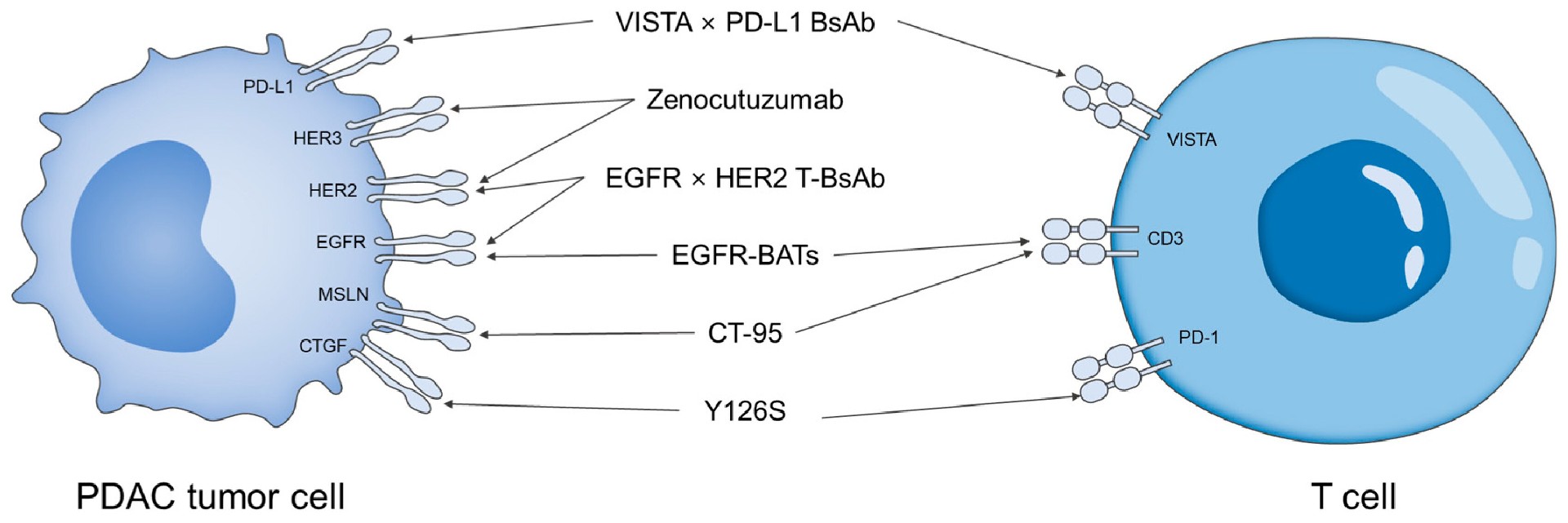
This idea is especially relevant in difficult-to-treat solid tumors. For example, bsADCs have potential in pancreatic ductal adenocarcinoma (PDAC), a cancer characterized by dense stroma, poor drug penetration, and a highly immunosuppressive tumor microenvironment.
There is growing recognition that BsADC success depends heavily on developability. For example, a recent study examined bioorthogonal click chemistry as a modular strategy for assembling bispecific antibody conjugates. The authors compared tetrazine-based inverse electron demand Diels-Alder reactions using either trans-cyclooctene or bicyclononyne handles. Both approaches generated bispecific constructs that retained antigen recognition by ELISA, while the BCN-tetrazine system was described as more robust and the TCO-tetrazine system showed stronger time-temperature dependence.
This type of work is relevant because BsADC programs often require rapid evaluation of multiple antibody formats, target pairs, and linker-payload combinations. Chemical assembly may help early-stage teams screen candidate designs before committing to more resource-intensive manufacturing routes.
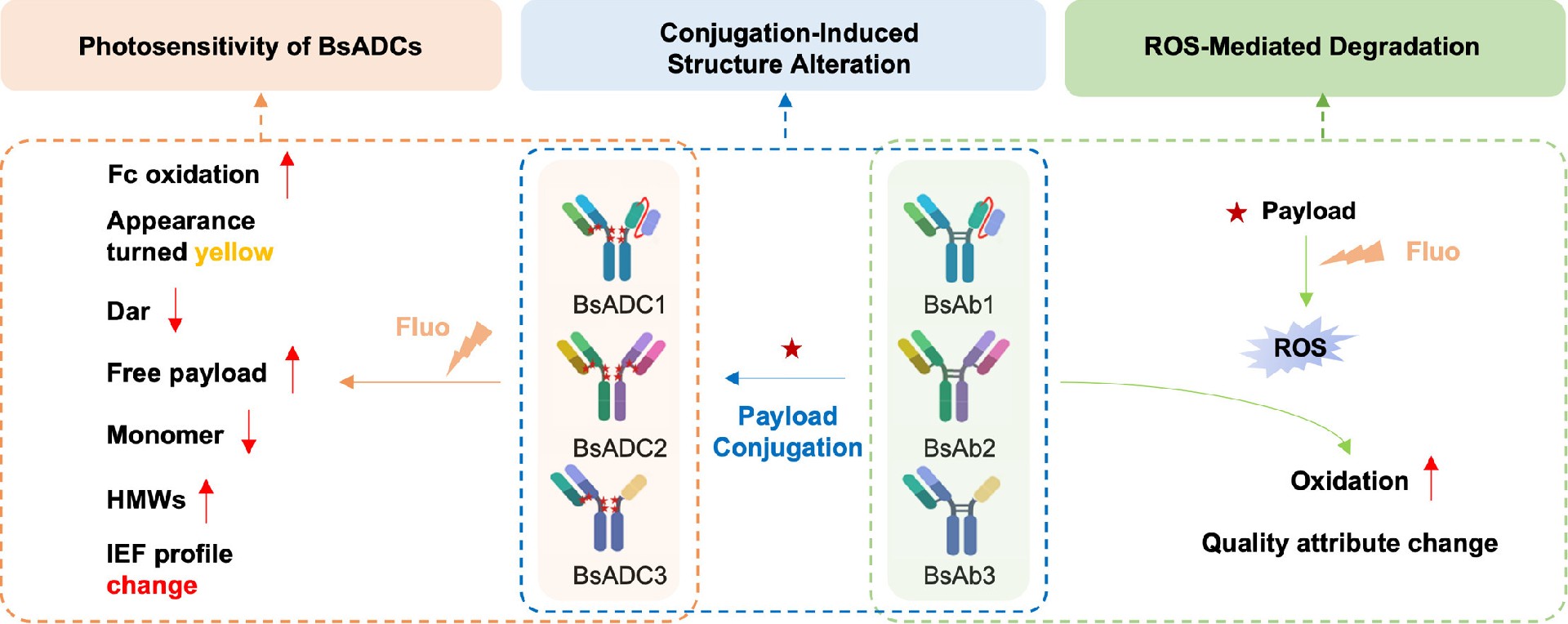
Stability is also an important factor. Another study evaluated the photosensitivity of three BsADCs under different light sources. The authors found that fluorescent lamp exposure induced BsADC photodegradation and attributed this primarily to reactive oxygen species generated from the payload after photoexcitation. They also observed higher oxidation at conventional Fc methionine residues in BsADCs than in unconjugated parental bispecific antibodies. This finding shows that payload conjugation can change the structural and degradation behavior of a bispecific antibody.
There are no BsADCs that have been approved by a global regulatory agency yet. Approximately 211 BsADCs are currently in development, representing 14% of 1,554 active ADCs. This report states that 84% of BsADCs remained in discovery or preclinical stages, while four candidates had reached Phase III development: izalontamab brengitecan, JSKN-003, TQB-2102, and maridebart cafraglitide. All four Phase III candidates are being developed for East Asian markets, with three being oncology-based.
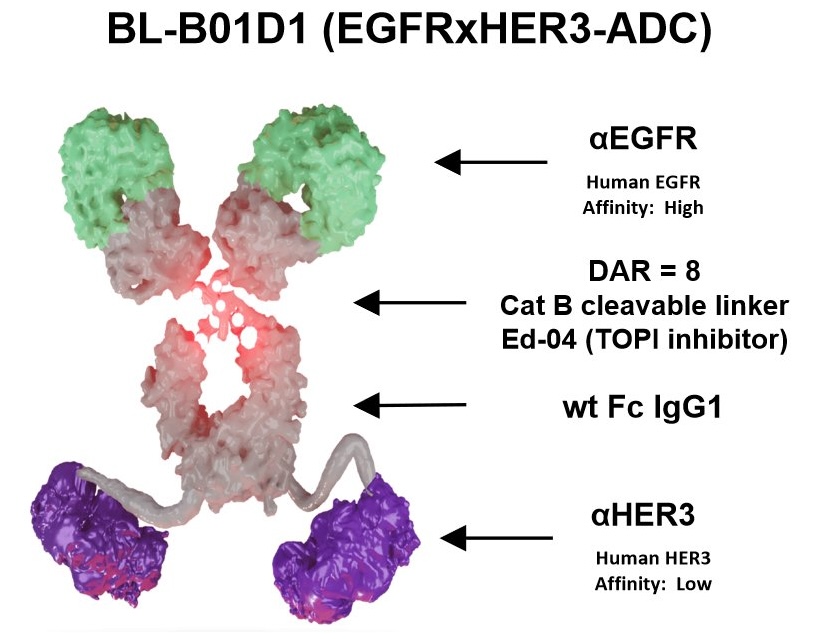
Izalontamab brengitecan / iza-bren / BL-B01D1: An EGFR×HER3 ADC for triple-negative breast cancer, esophageal squamous cell carcinoma, and other solid tumors. It is being developed by SystImmune and Bristol Myers Squibb and currently in Phase III trials.
JSKN003: A HER2 biparatopic ADC for HER2-expressing cancers, including breast cancer and ovarian cancer. It is being developed by Alphamab Oncology and currently in Phase III trials.
TQB2102: A HER2 ECD2×ECD4 biparatopic ADC for HER2-positive breast cancer. It is being developed by Sino Biopharmaceutical Limited and is in Phase III trials.
AVZO-103: A Nectin4×TROP2 BsADC for locally advanced or metastatic urothelial cancer after enfortumab vedotin. It is being developed by Avenzo Therapeutics as is in Phase 1/2 first-in-human studies.
AVZO-1418: An EGFR×HER3 BsADC for advanced solid tumors. It is also developed by Avenzo and is currently in Phase 1/2 studies.
BsADCs are moving from a largely preclinical concept toward a clinically testable modality. They have the potential to treat not only cancer but also other diseases, positioning them as a future direction for ADC development.
Biointron’s ADC conjugation platform, combined with antibody expression and engineering platform advantages, can provide you with a complete service process from antibody expression, conjugation to quality assessment, meeting the needs for screening, testing, and evaluation of ADC in preclinical settings.
Biointron's Q3 2026 Antibody Industry Trends report aims to explore the events a……
Antibody-oligonucleotide conjugates, or AOCs, are an emerging therapeutic format……
On September 18, 2026, the FDA approved Isembyld (apitegromab-mstn) from Scholar……
mRNA-encoded antibodies are an approach in which synthetic messenger RNA carries……