


Antibody-drug conjugates (ADCs) merge the specificity of monoclonal antibodies with the cytotoxic potency of small-molecule drugs. Central to this system is the linker: a molecular bridge that dictates not only the stability of the ADC in circulation but also the precision and kinetics of payload release at the tumor site. With 17 ADCs currently approved, linker design is evolving to shape drug efficacy, safety, and scope of clinical application.

The current generation of approved ADCs reflects a broad spectrum of linker chemistries, with cleavable linkers (particularly peptide-based systems) predominating. These linkers are typically cleaved by tumor-associated enzymes such as cathepsin B, plasmin, or legumain, enabling selective drug release within the tumor microenvironment. The design of such peptide linkers has centered on optimizing their protease sensitivity while maintaining adequate stability in systemic circulation. Despite the clinical success of this strategy, limitations remain, including premature release, low drug-to-antibody ratios (DARs), and hydrophobicity-induced aggregation, as described in a recent review.
In parallel, peptide linker designs are increasingly being diversified through chemical modifications and structural adaptations. For example, para-aminobenzyl (PAB) modifications, often used as self-immolative spacers, can be re-engineered into exo-cleavable linkers or glycopeptidic linkers to fine-tune hydrophilicity and enzymatic sensitivity. Additionally, the incorporation of hydrophilic units such as quaternary ammonium salts or mono-/peptidomimetic amino acids, has proven effective in mitigating aggregation and enhancing circulatory stability. These evolving design strategies underscore the modularity of peptide-based linker systems and their centrality to rational ADC engineering.

A notable advancement involves the introduction of an “exolinker” configuration, wherein the cleavable peptide sequence is repositioned to the exo site of the p-aminobenzylcarbamate (PABC) moiety. This architecture incorporates hydrophilic amino acids such as glutamic acid to enhance aqueous solubility and reduce aggregation—even in the presence of hydrophobic payloads. Preclinical evaluations demonstrated that this design significantly improves the in vivo stability of the conjugate and enables higher DARs without compromising solubility or structural integrity, signaling a promising evolution of cleavable linker platforms.

As linker design becomes more sophisticated, its influence on ADC pharmacodynamics, particularly through the bystander effect, has drawn increasing scrutiny. The bystander effect enables the diffusion of released cytotoxic agents into neighboring cells, including those with low or absent antigen expression, thereby expanding the therapeutic footprint of the ADC. However, this mechanism is heavily modulated by the physicochemical properties of both the payload and the linker.
Computational studies have shown that the linker contributes substantially to the overall molecular size and hydrophobicity of the drug-linker complex, impacting its ability to permeate cellular membranes. Notably, payloads with high ionization states face additional membrane diffusion barriers, limiting their capacity for bystander activity. These findings suggest that linker design must consider not only cleavage and stability but also the biophysical properties that determine tissue penetration and intracellular trafficking.

Simultaneously, the accuracy of payload quantification has emerged as a technical bottleneck, particularly for cleavable linker systems. A recent case study involving an ADC with a camptothecin-derived payload and a lactone functional group, underscores the complexity of bioanalytical measurements. The lactone form interconverts with its carboxylate counterpart depending on pH and temperature, posing challenges in serum-based quantification. Through careful kinetic analysis and methodological refinement, researchers developed a validated assay capable of reliably measuring total payload levels in human serum. This underscores the necessity of aligning linker-payload chemistry with robust analytical frameworks to accurately assess safety and pharmacokinetics in clinical settings.
The future of ADC linker innovation lies at the intersection of chemistry, biology, and computation. Beyond experimental optimization, computational platforms now play a pivotal role in streamlining ADC development. Molecular modeling and AI-assisted structure prediction are being deployed to assess antibody–linker–payload compatibility, predict degradation pathways, and simulate drug release kinetics. These tools enhance early-stage candidate selection, reduce the need for iterative in vitro testing, and facilitate the rational design of linker architectures with finely tuned stability and release profiles.
Such computational-experimental integration complements the detailed structural insights emerging from clinical and preclinical ADC studies. Reviews of currently approved agents continue to emphasize the multifunctional demands placed on linker systems: they must be stable in plasma, selectively cleaved at the tumor site, compatible with diverse payload chemistries, and inert to biological interferences. Recent strategies, including hydrophilic spacer incorporation and traceless release mechanisms, reflect the increasing sophistication of this design space.

As ADCs expand into new therapeutic indications and employ more diverse payload classes, linker design will remain a key determinant of success. Ongoing innovation will likely converge on modular, customizable linker platforms that balance systemic stability with tumor-specific activation, supported by predictive modeling and advanced bioanalytical validation. The continued evolution of linker chemistry will be instrumental in unlocking the full potential of ADCs as precision therapeutics.
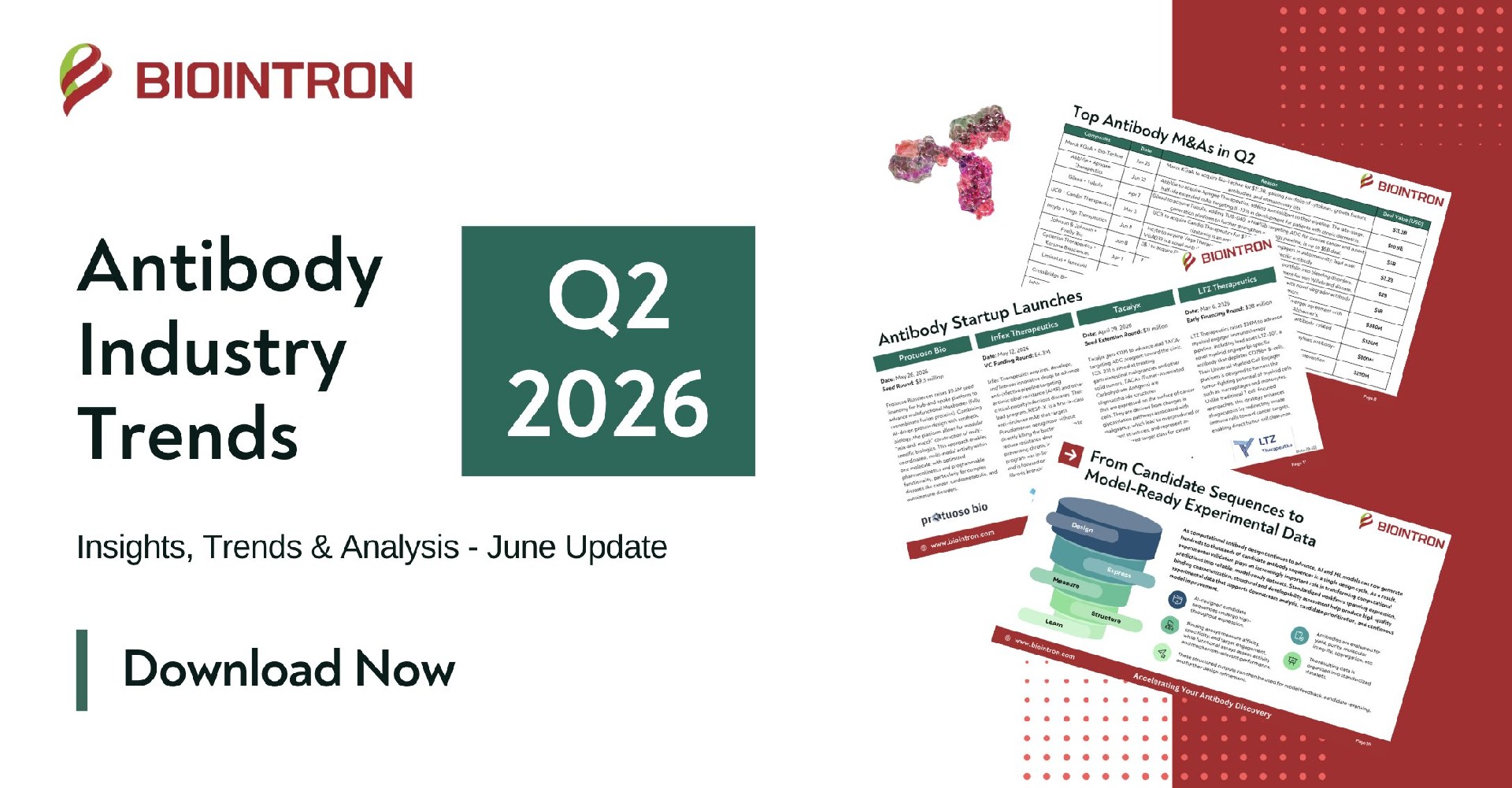
Biointron’s Q2 2026 Antibody Industry Trends report aims to explore the events a……
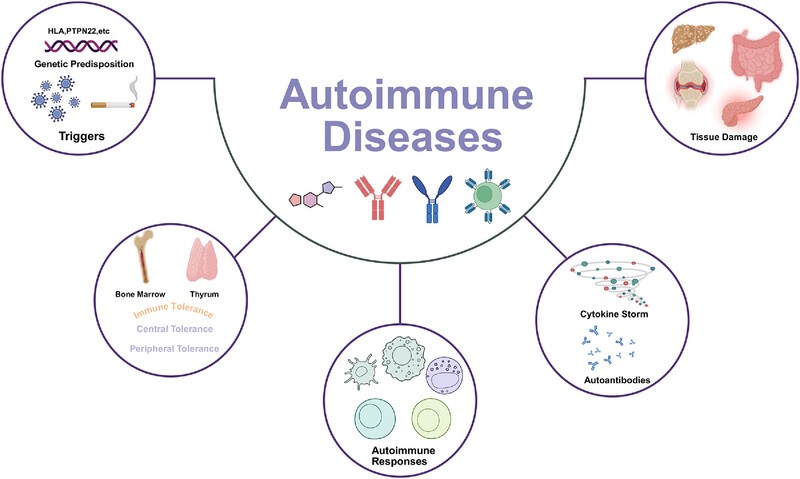
Autoimmune diseases are a group of disorders in which the immune system targets ……
Antibodies are important raw materials for many in vitro diagnostic (IVD) applic……
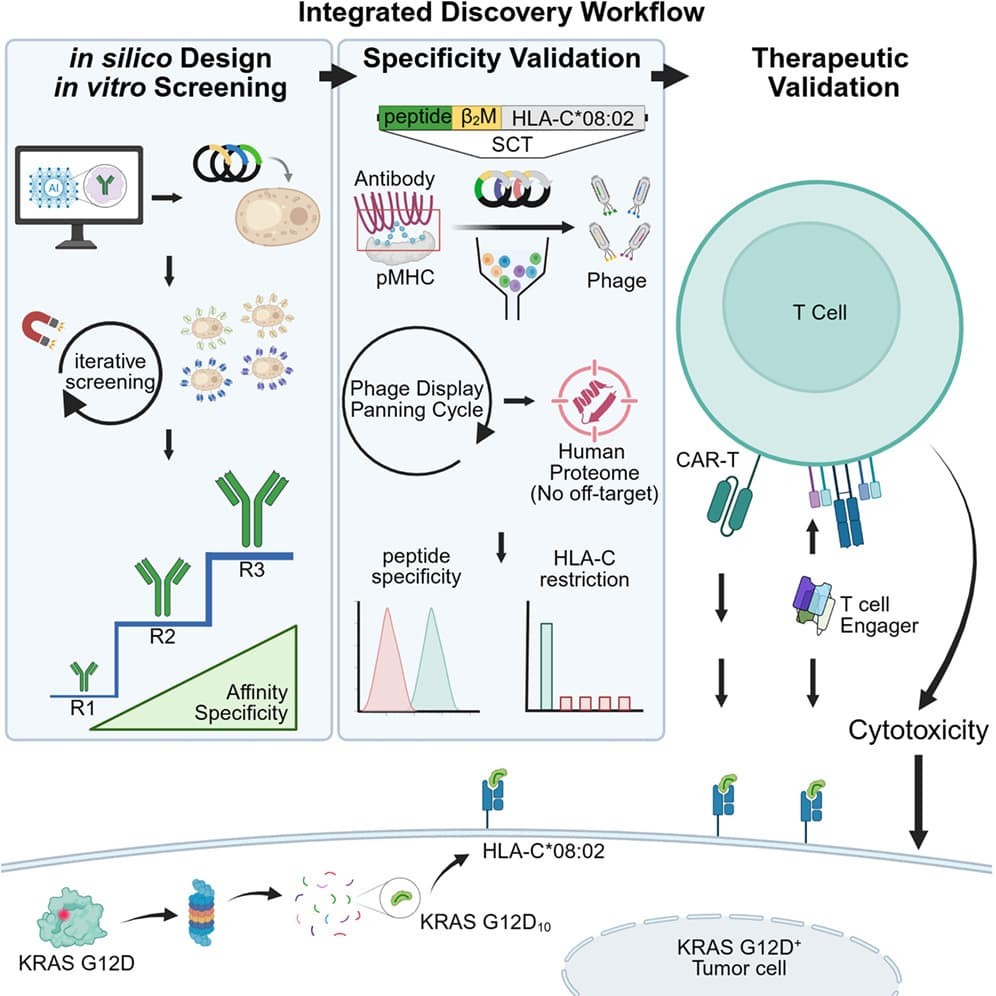
For decades, many disease-driving proteins were described as undruggable because……