




Fully human antibodies are monoclonal antibodies whose variable and constant regions are derived entirely from human immunoglobulin sequences. Unlike earlier therapeutic antibodies generated in murine systems and subsequently engineered through chimerization or humanization, fully human antibodies are produced directly from human antibody repertoires using technologies such as phage display libraries, transgenic mice carrying human immunoglobulin loci, or single B-cell cloning from human donors. Because they lack non-human sequence components, fully human antibodies generally exhibit reduced immunogenicity and improved tolerability in clinical use, making them particularly suitable for chronic administration and repeated dosing. These characteristics have made fully human antibody platforms an increasingly important strategy in the development of modern therapeutic antibodies.

Advances in antibody engineering technologies are accelerating the development of fully human monoclonal antibodies across multiple therapeutic areas. Historically, therapeutic antibodies evolved from murine to chimeric and humanized formats in order to reduce immunogenicity and improve clinical tolerability. Today, platforms such as human phage display libraries allow the direct isolation of high-affinity antibodies composed entirely of human sequences, enabling the development of biologics with improved safety profiles and broader therapeutic applicability. Recent studies demonstrate how these platforms are driving innovation in oncology, neurodegenerative disease, and autoimmune disorders while simultaneously supporting emerging therapeutic modalities such as bispecific antibodies and engineered cell therapies. Collectively, these findings highlight the growing importance of fully human antibody scaffolds as the backbone of next-generation immunotherapies.
The increasing adoption of fully human antibodies reflects broader progress in antibody engineering and therapeutic design. Next-generation antibody technologies, including bispecific antibodies, antibody-drug conjugates, and antibody fragments, are expanding the functional capabilities of monoclonal antibody therapeutics. As a recent review states, these platforms enable simultaneous targeting of multiple antigens, improved payload delivery, and enhanced immune effector engagement. Importantly, fully human antibody sequences provide a critical foundation for these advanced modalities by minimizing immunogenicity risks and enabling repeated or long-term administration in patients. As antibody discovery technologies continue to improve, the development of fully human antibodies is becoming a central strategy for designing more potent and versatile immunotherapies.
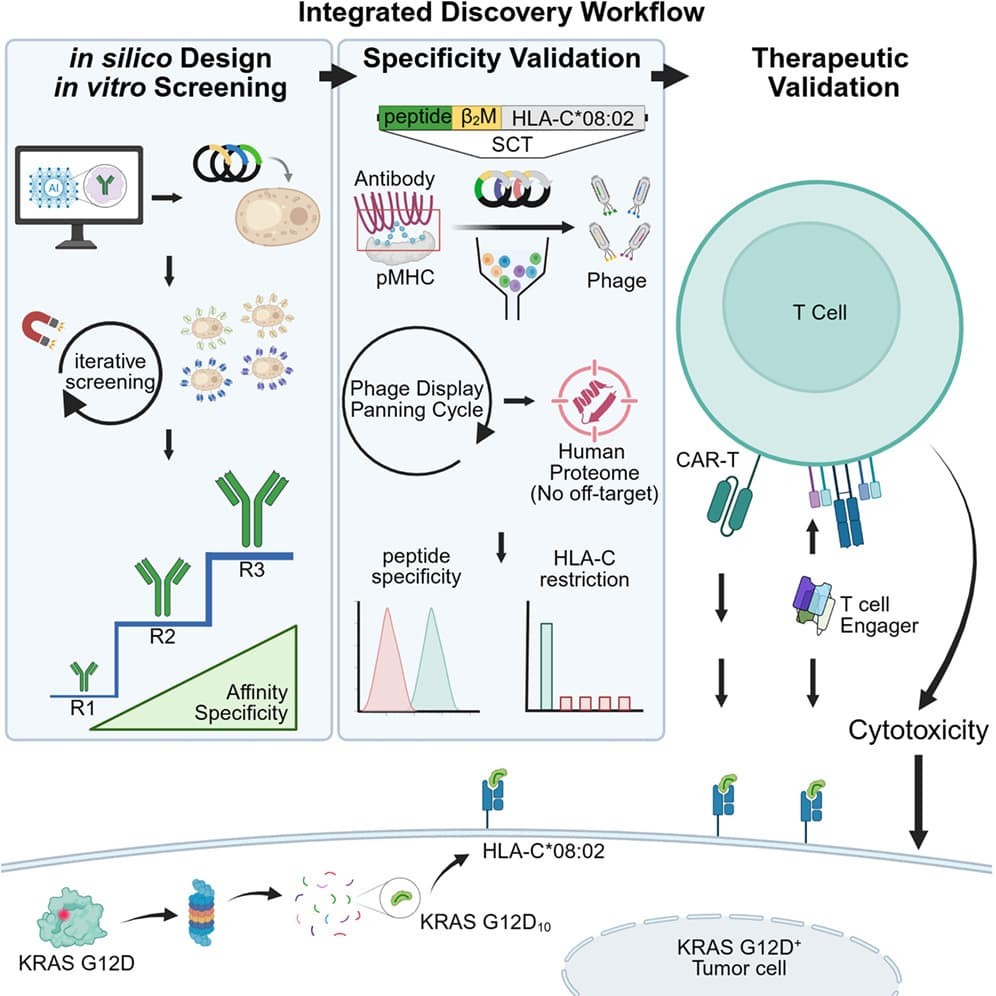
A common technology across recent studies is the use of human antibody phage display libraries, which allow researchers to isolate antigen-specific antibody fragments directly from large repertoires of human immunoglobulin sequences. Through iterative biopanning and affinity selection, these libraries enable the rapid identification of high-affinity antibodies without requiring animal immunization.
This approach has been used to generate novel therapeutic candidates targeting a range of cancer-associated antigens. In prostate cancer research, investigators isolated fully human monoclonal antibodies targeting prostate-specific membrane antigen (PSMA) and prostatic acid phosphatase (ACP3), two proteins expressed by prostate epithelial cells and frequently associated with prostate tumors. Selected clones demonstrated high binding specificity and strong tumor localization in biodistribution studies, highlighting their potential as scaffolds for targeted cancer therapeutics or diagnostic applications.

Similarly, phage display-based screening has been employed to identify fully human antibodies targeting immune regulatory proteins involved in tumor progression. In one study, researchers isolated antibodies against signal regulatory protein alpha (SIRPα) and phospholipase A2 group 7 (PLA2G7). The anti-SIRPα antibodies interfered with the interaction between SIRPα and CD47, a key immune checkpoint pathway that suppresses macrophage-mediated phagocytosis of tumor cells. Blocking this interaction enhanced macrophage phagocytic activity when combined with the anti-EGFR antibody cetuximab, illustrating the potential for combination immunotherapy strategies. Meanwhile, antibodies targeting PLA2G7 effectively inhibited enzymatic activity and reduced tumor cell migration, suggesting an additional therapeutic strategy for modulating tumor-associated inflammatory pathways.

A related strategy was used to generate a fully human IgG1 antibody targeting the α1 domain of MICA, a stress-induced ligand recognized by the activating immune receptor NKG2D. Tumor-derived soluble MICA can impair immune recognition by disrupting NKG2D signaling, contributing to immune evasion. The engineered antibody displayed high affinity for multiple MICA alleles and effectively blocked the MICA-NKG2D interaction. Functional studies demonstrated robust activation of antibody-dependent cellular cytotoxicity, antibody-dependent cellular phagocytosis, and complement-mediated cytotoxicity, highlighting its potential to restore immune surveillance against MICA-expressing tumor cells.

Together, these studies illustrate how phage display platforms are enabling the rapid generation of fully human antibodies that target both tumor-associated antigens and immune regulatory pathways, thereby expanding the range of therapeutic strategies available for cancer immunotherapy.
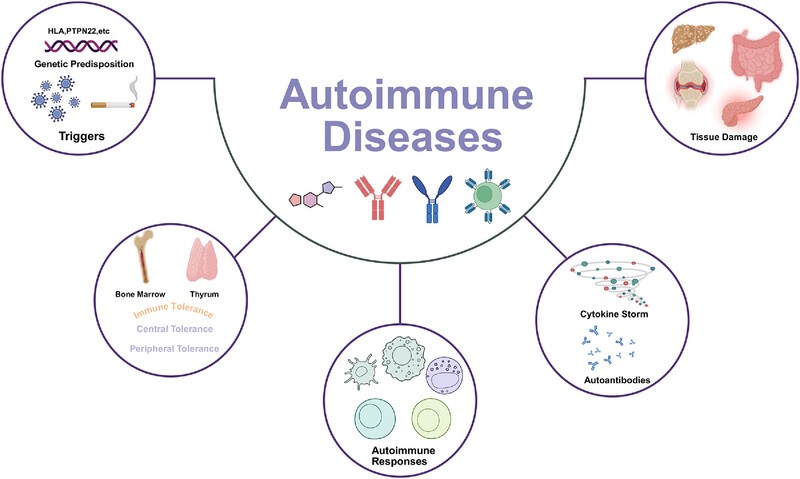
While oncology remains a major focus for antibody therapeutics, recent research demonstrates that fully human antibodies are also being applied to diseases characterized by dysregulated immune responses, including neurodegenerative disorders.
One example involves targeting triggering receptor expressed on myeloid cells 2 (TREM2), a receptor expressed on microglia that plays an important role in regulating immune responses in the brain. Genetic studies have identified TREM2 as a risk factor for Alzheimer’s disease, making it an attractive therapeutic target. Researchers recently developed a fully human monoclonal antibody, M07-TFN, designed to activate TREM2 signaling and enhance microglial function. The antibody demonstrated strong binding affinity and potent activation of downstream signaling pathways in cellular models. In a transgenic Alzheimer’s mouse model, treatment with the antibody improved spatial memory and reduced amyloid plaque accumulation, suggesting that targeted activation of microglial pathways may represent a promising strategy for neurodegenerative disease therapy.

The use of fully human antibodies in this context is particularly important because neurodegenerative diseases often require long-term or repeated dosing, increasing the importance of minimizing immunogenicity and ensuring sustained therapeutic activity.
Beyond conventional monoclonal antibody therapeutics, fully human antibody binding domains are increasingly being incorporated into engineered immune cell therapies. Chimeric antigen receptor (CAR) T-cell therapies rely on antibody-derived antigen-binding domains to direct T cells toward specific cellular targets.
A recent study described the development and manufacturing of KYV-101, a fully human anti-CD19 CAR T-cell therapy intended for the treatment of autoimmune diseases. By targeting CD19-expressing B cells, the therapy aims to eliminate pathogenic B-cell populations that drive autoimmune pathology. Manufacturing results demonstrated consistent expansion, high transduction efficiency, and robust functional activity across patient samples derived from multiple autoimmune disease indications. These findings support the feasibility of producing fully human CAR T-cell products for clinical use across diverse patient populations.

This approach highlights the broader role of antibody engineering in modern immunotherapy: antibody-derived binding domains are not only therapeutic agents themselves but also serve as targeting modules for engineered immune cells.
Despite the advantages of fully human antibody sequences, immune responses against therapeutic antibodies remain an important challenge. Anti-drug antibodies (ADAs) can reduce treatment efficacy by neutralizing therapeutic antibodies or accelerating their clearance from circulation. In some cases, ADA formation can also trigger adverse immune reactions.
Several factors contribute to ADA development, including structural features of the antibody, aggregation, dosing regimen, and patient-specific immune responses. Current mitigation strategies include computational prediction of immunogenic epitopes, antibody engineering approaches designed to remove immunogenic regions, and alternative delivery systems such as viral vectors or nucleic acid-based therapies. Continued advances in these areas will be critical for improving the long-term safety and efficacy of antibody therapeutics.

Recent advances in antibody discovery and engineering are driving the rapid expansion of fully human antibody therapeutics across multiple disease areas. From targeting tumor antigens and immune checkpoints in cancer to modulating microglial signaling in neurodegenerative disease and serving as targeting domains in CAR T-cell therapies, fully human antibodies are becoming increasingly versatile tools for immune modulation.
At the same time, ongoing research aimed at understanding and mitigating anti-drug antibody responses will remain essential for maximizing the clinical impact of these therapies. As antibody engineering technologies continue to evolve, fully human antibody platforms are likely to play an increasingly central role in the development of next-generation immunotherapies.
Biointron’s Q2 2026 Antibody Industry Trends report aims to explore the events a……
Autoimmune diseases are a group of disorders in which the immune system targets ……
Antibodies are important raw materials for many in vitro diagnostic (IVD) applic……
For decades, many disease-driving proteins were described as undruggable because……