



Antibody gene transfer is advancing the landscape of therapeutic antibody development. Amid the logistical and economic constraints of recombinant monoclonal antibody (mAb) production, nucleic acid-encoded antibody platforms (delivering DNA, mRNA, or viral vectors encoding antibody genes) are emerging as next-generation alternatives. A recent paper by Yu et al. (2025) reviews this topic succinctly.

Despite the widespread clinical adoption of recombinant mAbs, traditional production remains hampered by complex upstream processing, high cost, and cold-chain dependency. Nucleic acid-encoded antibodies bypass these hurdles by delivering genetic blueprints directly into patients, effectively turning tissues into bioreactors. In vivo expression offers the potential for prolonged antibody half-life, improved tissue targeting, and reduced need for repeat dosing; especially beneficial for chronic infections or oncologic indications.
Multiple nucleic acid platforms have demonstrated preclinical and clinical feasibility:
Adeno-Associated Virus (AAV) vectors offer long-term expression with tissue-selective tropism. Novel capsids, such as AAVMYO, exhibit muscle-specific expression, high titers (>500 µg/mL in mice), and reduced immunogenicity through detargeting strategies.
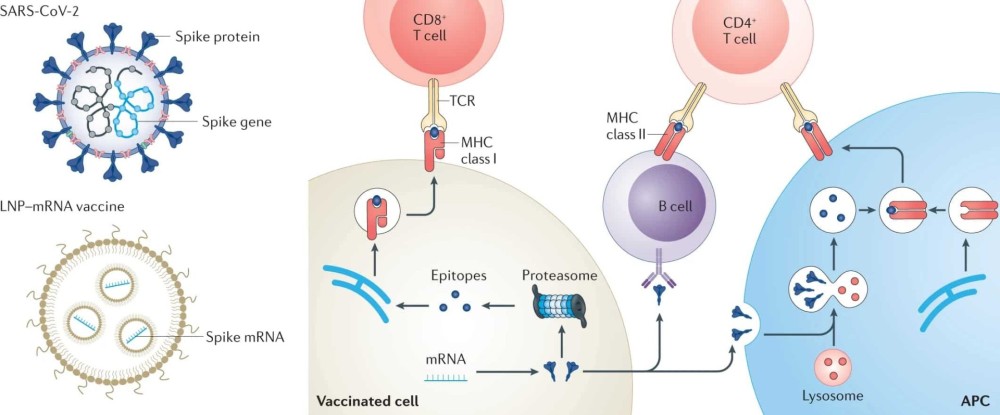
mRNA-based platforms enable rapid, transient expression with minimal integration risk. Lipid nanoparticle-encapsulated mRNA constructs have successfully expressed bispecific antibodies in vivo, and early clinical trials have confirmed safety and immunogenicity.
DNA-encoded mAbs (DMAbs) benefit from low-cost production and thermal stability. Plasmid-encoded antibodies, enhanced via electroporation and codon optimization, now exhibit serum titers and pharmacodynamics rivaling recombinant proteins in animal models.
Gene-encoded antibody systems enable control over spatial and temporal expression:
Inducible promoters (e.g., exon skipping) expression in response to external cues.
Targeted protein degradation (PROTACs, LYTACs) integrates expression with clearance.
Tissue-specific vectors further enhance safety by limiting off-target expression and immune activation.
This controllability is particularly relevant for immuno-oncology, where dynamic modulation of multi-specific antibodies can synchronize with tumor progression or checkpoint blockade regimens.
Looking ahead, three transformative trends are shaping the trajectory of antibody gene transfer:
Personalized formats leveraging single-B-cell sequencing and modular vector synthesis could enable individualized therapies within days.
Multimodal expression control will allow fine-tuned combination therapies responsive to disease-specific biomarkers.
Pandemic readiness platforms may deliver plug-and-play antibody payloads for rapid response to emerging pathogens.
These advances position nucleic acid-encoded antibodies not as replacements but as powerful complements to recombinant biologics, with the potential to democratize access, accelerate development, and unlock novel therapeutic paradigms.
Biointron's Q3 2026 Antibody Industry Trends report aims to explore the events a……
On September 18, 2026, the FDA approved Isembyld (apitegromab-mstn) from Scholar……
mRNA-encoded antibodies are an approach in which synthetic messenger RNA carries……
Artificial intelligence (AI) can be used throughout the drug development process……