



Seasonal influenza causes an estimated one billion infections, 3-5 million severe cases, and 300,000-500,000 deaths globally each year. According to a recent review, existing vaccines provide variable protection because their effectiveness depends on how closely vaccine strains match circulating viruses. Influenza also evolves through antigenic drift and, less frequently, antigenic shift, while resistance can reduce the effectiveness of antiviral drugs. These limitations create a rationale for antibody-based therapies that could provide immediate passive immunity or treat established infection. With 27 clinical trials evaluating monoclonal antibodies against influenza, and research activity increasing substantially after 2007, there is a growing interest in broadly active countermeasures for seasonal outbreaks and potential pandemics.
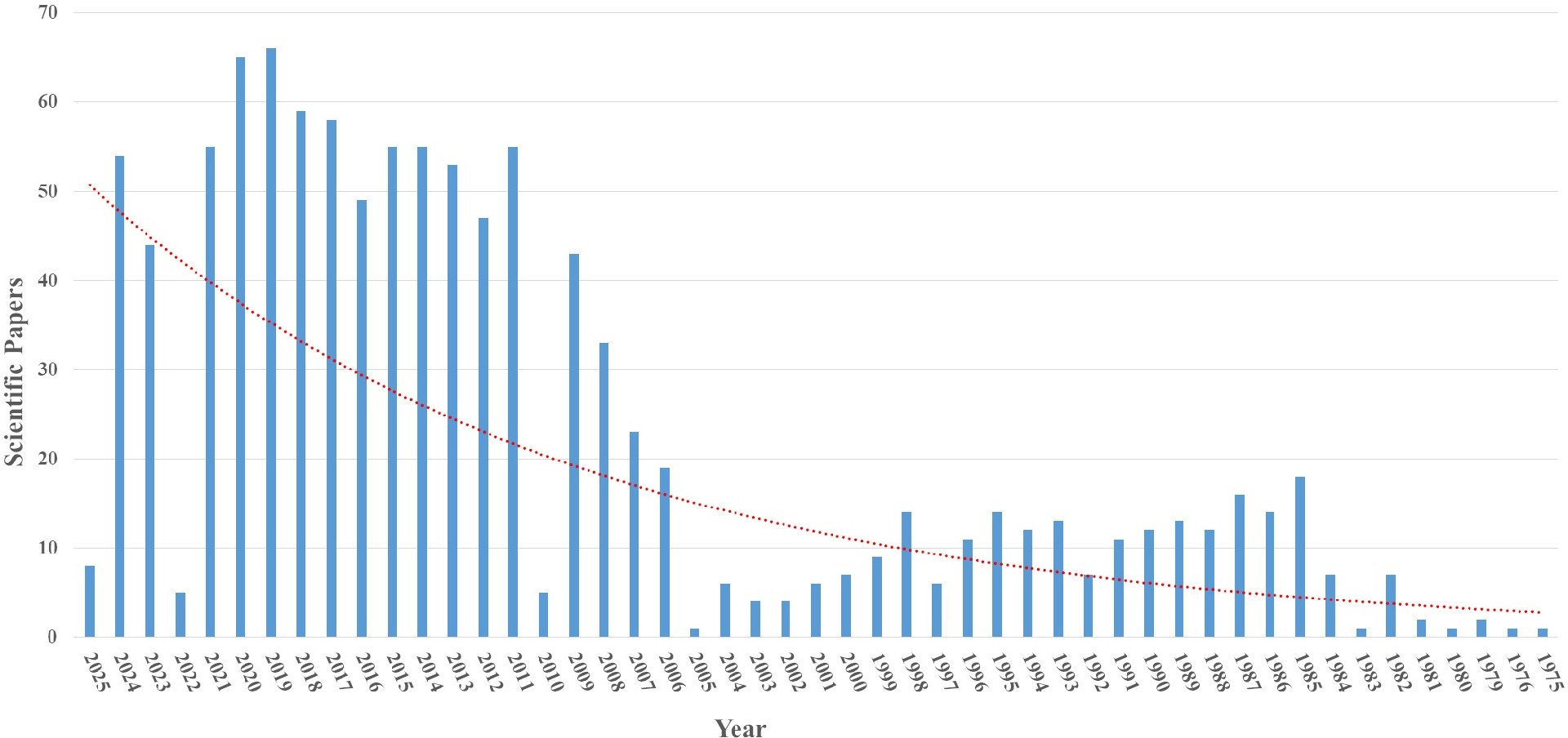
Influenza antibody development is increasingly focused on conserved viral targets that may provide broader protection across strains. The hemagglutinin stalk remains the leading target, with candidates such as MHAA4549A, MEDI8852, VIS410, CR6261, and CR8020 designed to neutralize multiple influenza A subtypes, often while also recruiting Fc-mediated mechanisms such as antibody-dependent cellular cytotoxicity. Other approaches target the conserved M2e protein, host-cell factors involved in viral budding, or neuraminidase. However, mixed clinical results have redirected attention from treatment of established influenza toward pre-exposure prophylaxis, particularly for immunocompromised and other high-risk populations. New programs are therefore being designed to provide broader coverage and protection lasting throughout an influenza season.
Today, RQ Biotechnology Ltd. announced a $115 million USD oversubscribed Series A financing to advance RQB01, a long-acting antibody program intended to provide full-season influenza protection with a single administration.
RQB01 is currently in IND-enabling studies and is being developed for high-risk and immunocompromised populations that may not receive adequate protection from vaccination. The candidate is designed to provide broad strain coverage, potent neutralizing activity, and extended duration through a dual mechanism of action targeting conserved influenza epitopes.
LAABs bind and neutralize virus particles at the site of infection, limiting viral spread and the onset of serious disease. When administered prophylactically, potent neutralizing antibodies circumvent reliance on an individual’s own immune system by targeting invariant regions of viral proteins, blocking virus entry into host cells, and maintaining resilience to seasonal variation through conserved immune sub-dominant binding residues.
Earlier this year, Merck completed its acquisition of Cidara Therapeutics, bringing the investigational influenza candidate CD388 into its expanding respiratory portfolio. The transaction cost Merck approximately $9.2 billion USD.
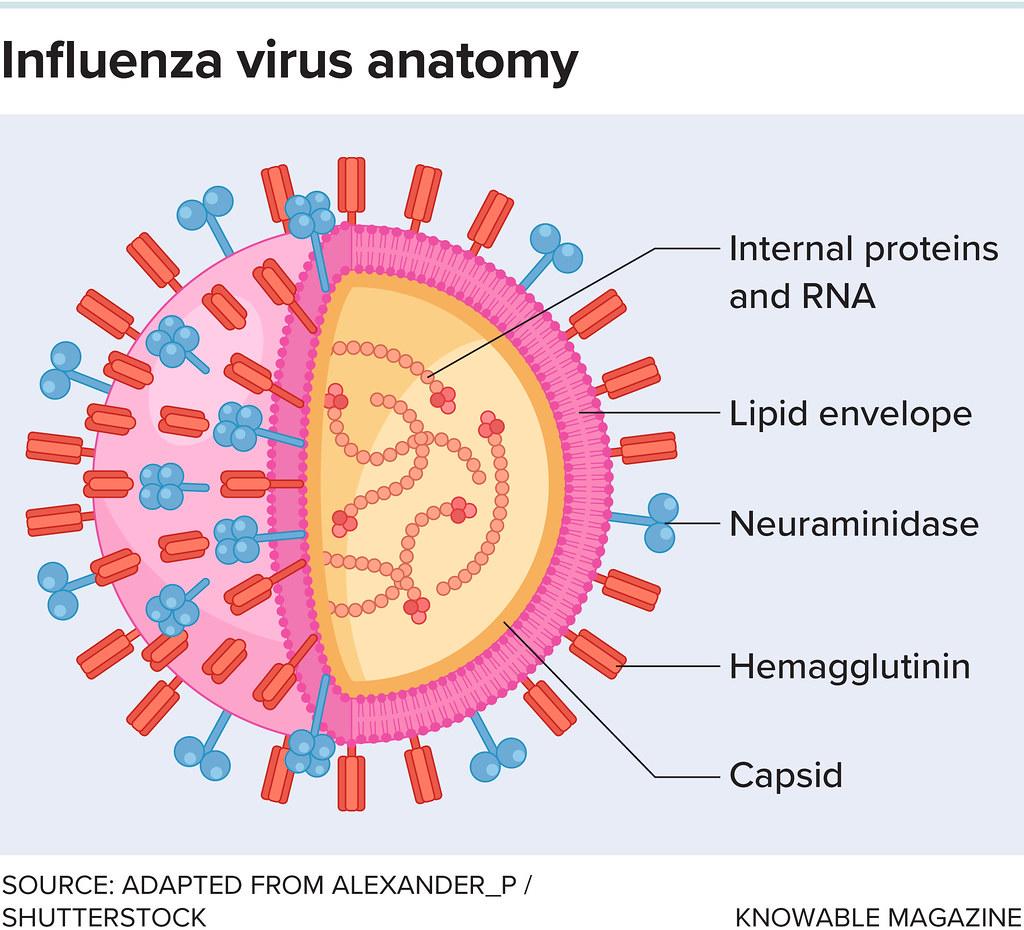
CD388 is a drug-Fc conjugate consisting of multiple copies of a neuraminidase inhibitor attached to a proprietary human antibody Fc fragment, combining broad antiviral activity with prolonged systemic exposure. Because its mechanism does not depend on generating an immune response, CD388 could potentially provide protection regardless of a patient’s immune status. Preclinical studies showed activity against influenza A and B viruses, including strains of pandemic concern, and the candidate is being evaluated in the Phase 3 ANCHOR study among adults and adolescents at higher risk of influenza complications.
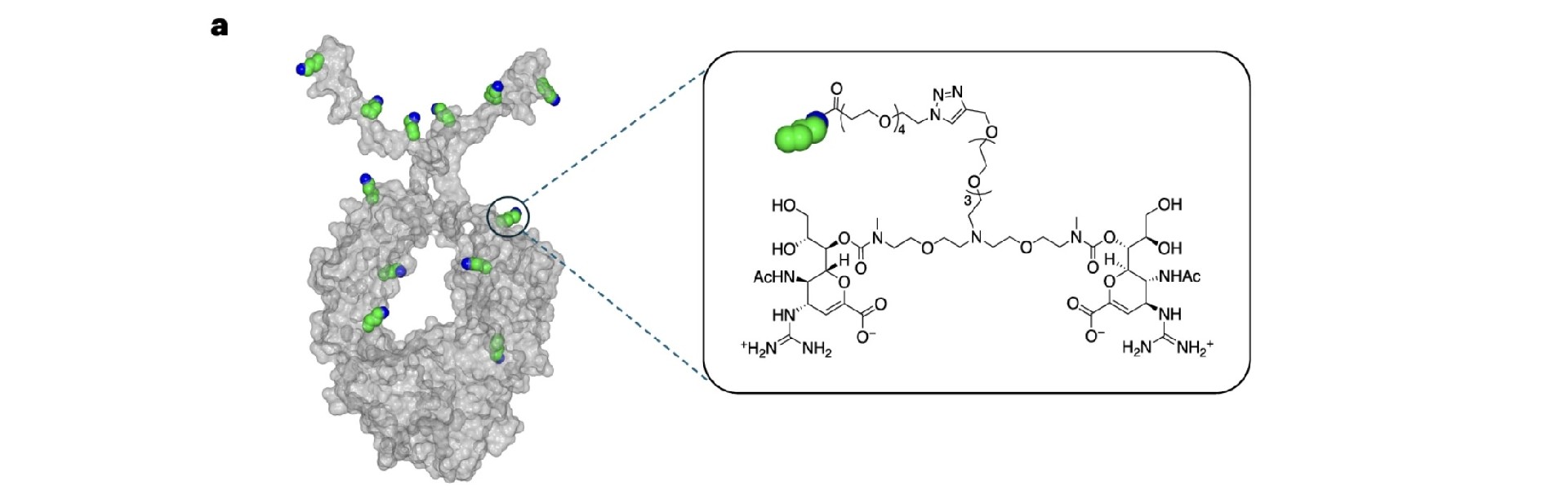
Besides extending systemic half-life, researchers are also investigating whether antibodies can be delivered directly to the site of viral entry.
Systemically administered influenza mAbs typically reach low concentrations in the nasal mucosa, prompting interest in direct intranasal delivery. CR9114 is an anti-hemagglutinin stem antibody with activity against influenza A and B viruses. Preclinical studies and two first-in-human Phase 1 trials involving 143 healthy participants showed that intranasal CR9114 was safe and well tolerated across the tested doses and schedules. Antibodies recovered from nasal samples retained the ability to bind hemagglutinin from diverse influenza strains and neutralized A/H1N1, A/H5N1, and A/H3N2, particularly at the 10-milligram dose.
Although its short residence time means the spray is unlikely to replace seasonal vaccination, intranasal CR9114 could provide rapid, short-term immunoprophylaxis during outbreaks or pandemics, particularly for health care workers and other high-risk populations. The findings support intranasal delivery as a strategy for achieving high antibody concentrations at the portal of infection while using smaller doses than systemic antibody administration.
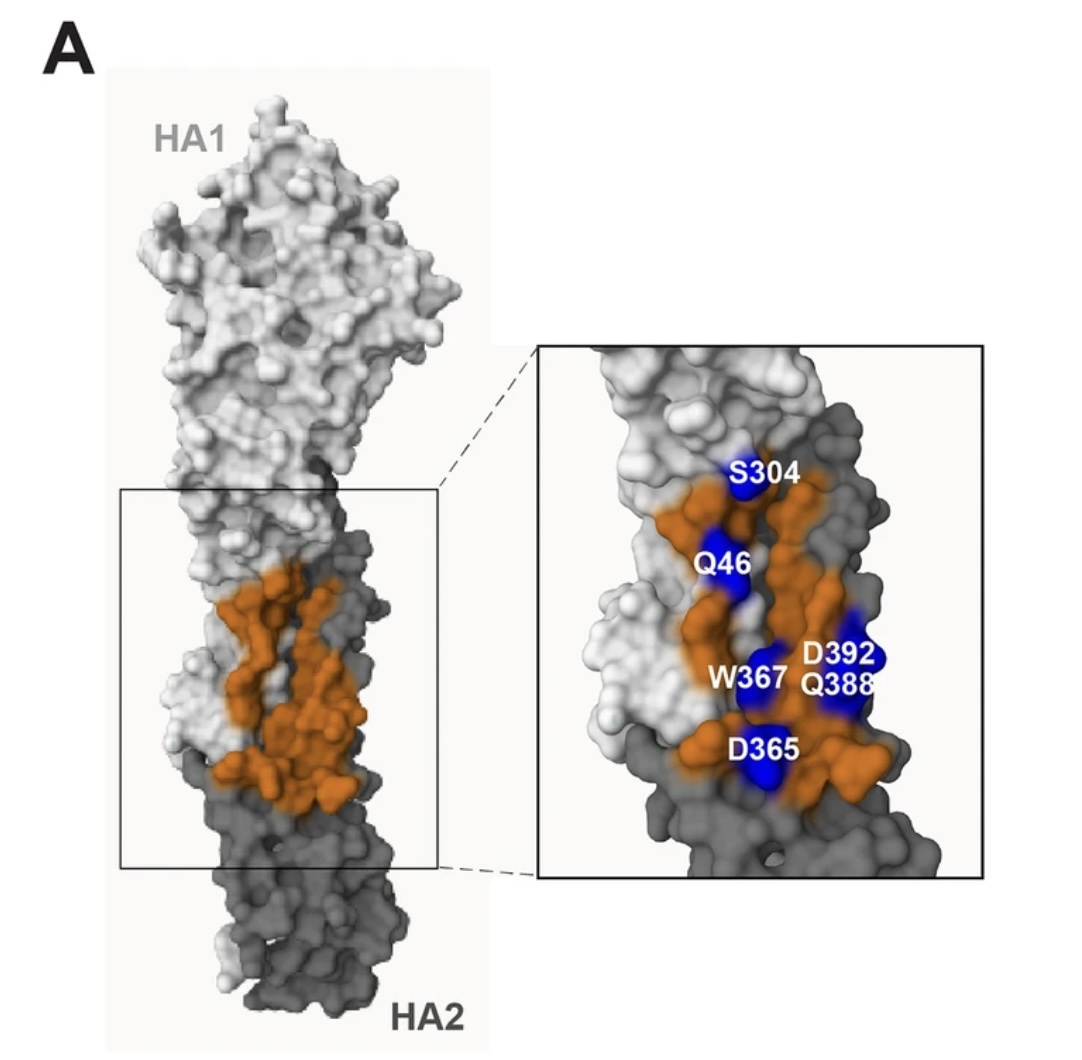
The field is therefore shifting toward long-acting prophylaxis, improved respiratory delivery, and multifunctional antibody design. One likely limitation is poor penetration into the upper respiratory tract, where several systemically administered antibodies reached only a small fraction of their serum concentrations. This has made mucosal or intranasal delivery an important future direction. Future progress will likely depend on combining conserved epitope targeting with stronger potency, faster access to respiratory tissues, longer persistence, and more appropriate use in high-risk populations, prophylaxis, or pandemic response.
Biointron’s Q2 2026 Antibody Industry Trends report aims to explore the events a……
Artificial intelligence (AI) can be used throughout the drug development process……
Peptides and antibodies have different strengths as therapeutic molecules. Pepti……
Therapeutic antibodies are often used to block receptors or neutralize soluble m……