


Anti-drug antibodies (ADAs) are immune system proteins that can develop in response to therapeutic drugs, particularly biologics like monoclonal antibodies. These biopharmaceuticals have significantly advanced therapies for cancer and autoimmune diseases, but their long-term use can elicit immunogenicity due to repeated administration. The host immune system may recognize epitopes in the biologic drug as foreign, triggering the production of ADAs. This can lead to the formation of drug–ADA immune complexes, which accelerate drug clearance and potentially neutralize the drug's efficacy. Monitoring for ADA development, including the presence of neutralizing antibodies (NAB), is crucial in clinical trials and ongoing treatment to ensure that the therapeutic benefits outweigh any immune response risks.
A recent study addressed the challenges posed by ADAs in patients treated with adalimumab, which can lead to reduced drug concentration and loss of response. To overcome the limitations of traditional immunoassays, the researchers developed an integrated platform combining electrochemiluminescence immunoassay with immunomagnetic separation. In a longitudinal study of 49 ankylosing spondylitis patients, the platform demonstrated high sensitivity and drug tolerance, revealing that most patients developed persistent ADA within 24 weeks, with a strong correlation between ADA levels and neutralizing capacity. Higher ADA levels were linked to increased drug clearance and disease relapse, highlighting the clinical significance of monitoring ADA. This new platform offers valuable insights into ADA's role in immunogenicity and its impact on treatment efficacy.

In another paper, researchers used β-lactam penicillin G (PenG) to probe the B and T cell determinants of drug-specific IgG responses to conjugates in mice. These conjugates are formed from small-molecule therapeutics with reactive functional groups forming covalent protein adducts in vivo, which can trigger anti-drug antibody (ADA) responses, include hypersensitivity and allergy reactions. Unwanted immunogenicity from drug-protein conjugates are β-lactam antibiotics, such as penicillin G (PenG). In this study, the team discovered how the ADA response is based upon a restricted cluster of highly related B cell germline clonal families that, regardless of CDRH3 length, engage the penicillin sidechain via conserved binding modes. These findings offer a rational basis for understanding ADA responses, and suggest that antibodies have limited binding solutions that in turn may inform drug ‘reverse engineering’ to avoid ADA.
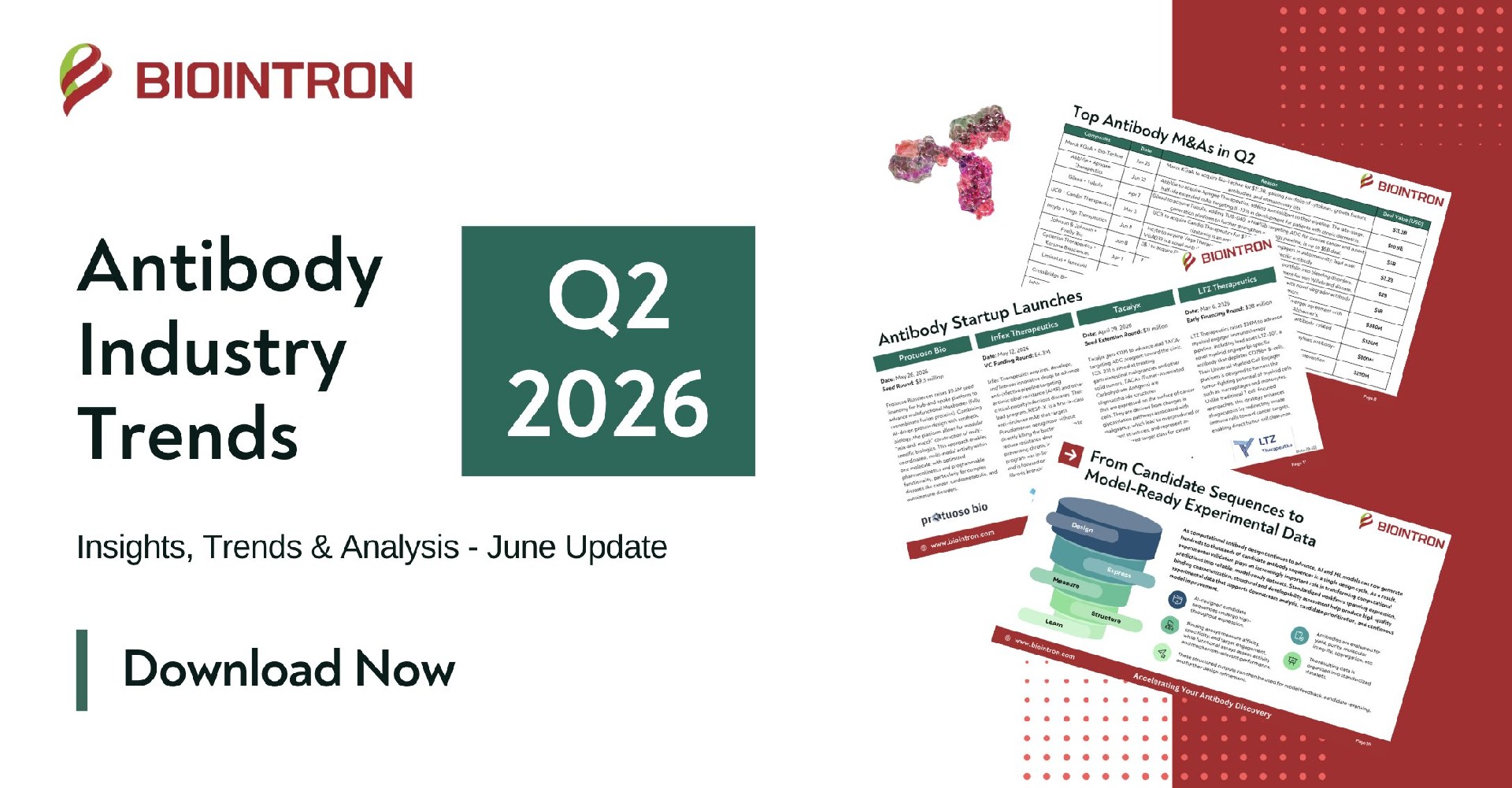
Biointron’s Q2 2026 Antibody Industry Trends report aims to explore the events a……
Artificial intelligence (AI) can be used throughout the drug development process……
Peptides and antibodies have different strengths as therapeutic molecules. Pepti……
Therapeutic antibodies are often used to block receptors or neutralize soluble m……