



The AACR Annual Meeting 2025 was held in Chicago, IL from April 25-30, and featured the latest advancements in cancer research, with hundreds of poster presentations, lectures, and exhibits. Scientists, health care professionals, and industry experts from around the world gathered to share innovations and trends in oncology, including:
Antibody Drug Conjugates (ADCs)
Clinical Research & Clinical Trials
Experimental and Molecular Therapeutics
Immunology
Molecular/Cellular Biology and Genetics
Tumor Biology
Next generation antibody drug conjugates: 12 FDA approvals and over 280 in clinical trials
Insights into ADC properties and design: Lessons from clinical development by Zymeworks
Molecular imaging insights into antibody drug conjugates by University Medical Center Groningen
ADCs in the clinic: Gaps, controversies, and hopes for the future by Memorial Sloan Kettering Cancer Center
First-in-human study of SYS6010, a novel EGFR targeting ADC for patients with advanced solid tumors
SHR-A1811, a HER2-directed ADC, in advanced HER2-mutant non-small cell lung cancer (NSCLC)
JS107, a claudin 18.2 (CLDN18.2)-targeting ADC, as monotherapy or in combination for patients (pts) with advanced solid tumors
Escherichia coli as a platform for the production of full-length IgG antibodies by Butantan Institute
Accelerating antibody discovery for difficult targets using mRNA immunization of wild type or humanized mice and BEACON single cell technology
ADCs and RLTs show clinical promise but are limited by tumor heterogeneity, which is addressed using small molecule priming agents that selectively upregulate tumor antigens to enhance efficacy, reduce toxicity, and expand patient eligibility for more durable, personalized cancer therapies by Eigen Therapeutics
Preclinical evaluation of GPC3 targeting antibody-TCR T cells in HCC models with tumor rechallenging by Eureka Therapeutics
Combining a genetically engineered oncolytic virus that presents a non-human antigen on tumor cells with a TT3/CD3 bispecific antibody (BK-001), enables precise T-cell targeting and robust anti-tumor activity
Shared APC frameshift neoantigens enable targeted T cell responses via TCRs and bispecific antibodies, offering a novel strategy for broad cancer immunotherapy
Discovery of a novel antibody, 14G6, as a tool for understanding BAK conformational dynamics and their relationship to venetoclax response in leukemia by The Walter & Eliza Hall Institute of Medical Research
AstraZeneca’s osimertinib treatment drives expression of TROP2, and combination treatment with datopotamab deruxtecan (Dato-DXd), a TROP2-directed antibody-drug conjugate, enhances its efficacy in PDX models of EGFR mutant non small-cell lung cancer
Extracellular enolase-1 drives cancer-associated fibroblast differentiation in the tumor microenvironment to enhance tumor growth of multiple myeloma by Hunilife
ADC target profiling reveals B7-H3, B7-H4, and Nectin-4 as promising candidates for immunotherapy combinations in HER2-low breast cancer and squamous NSCLC by Tristar Technology Group
High throughput quantitative molecular characterization of cytotoxic antibody-drug conjugates in spheroid models for improved functional characterization, screening and candidate selection

Thank you to everyone who visited our booth at AACR 2025 to learn about our services! We had a fantastic time chatting with you and how it can help you achieve antibody development. Our expert team would be happy to answer any follow-up questions. Feel free to email us at info@biointron.com or visit our website at www.biointron.com.
Biointron announces limited-time RushData launch pricing for high-throughput ant……
August 2026 brought another mix of acquisitions, licensing agreements, strategic……
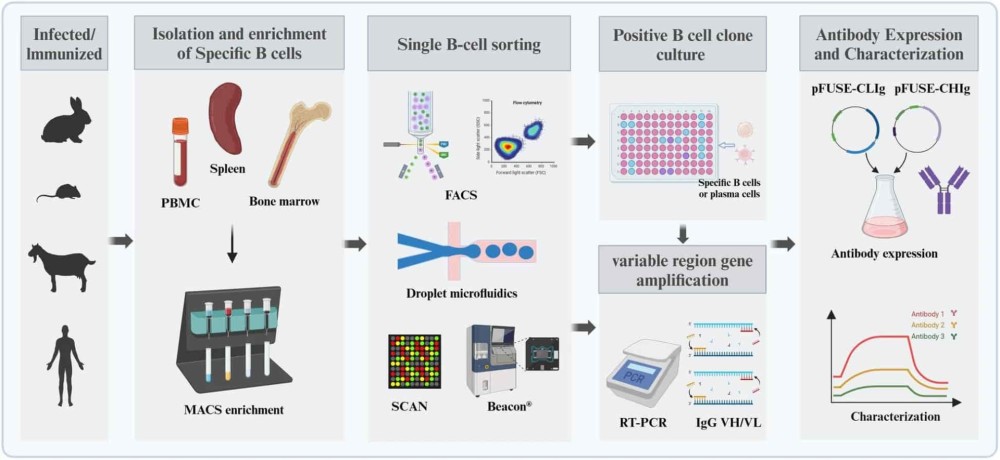
Antibody discovery often begins with a highly diverse population of B cells, onl……
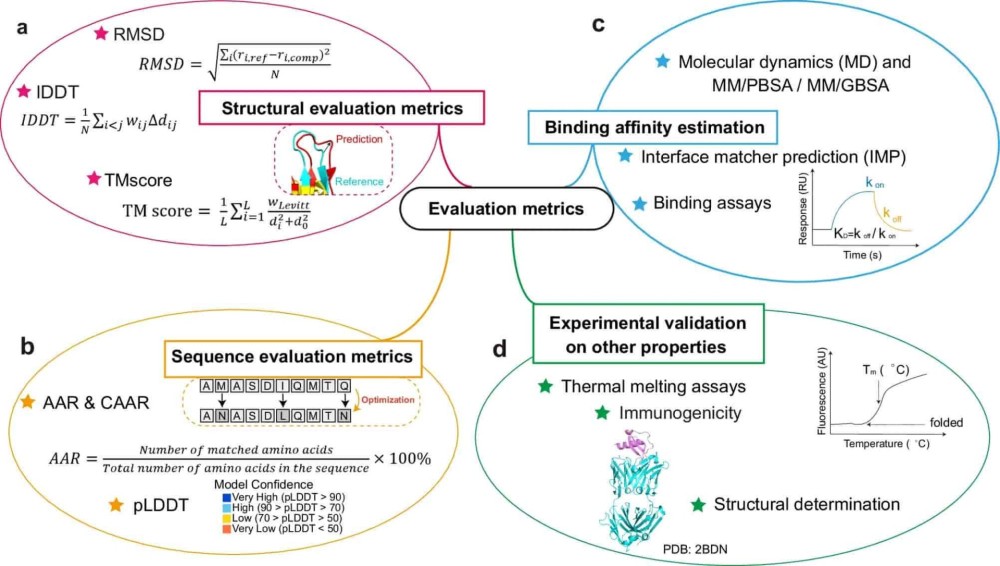
As larger candidate panels move from computational design into the laboratory, a……