

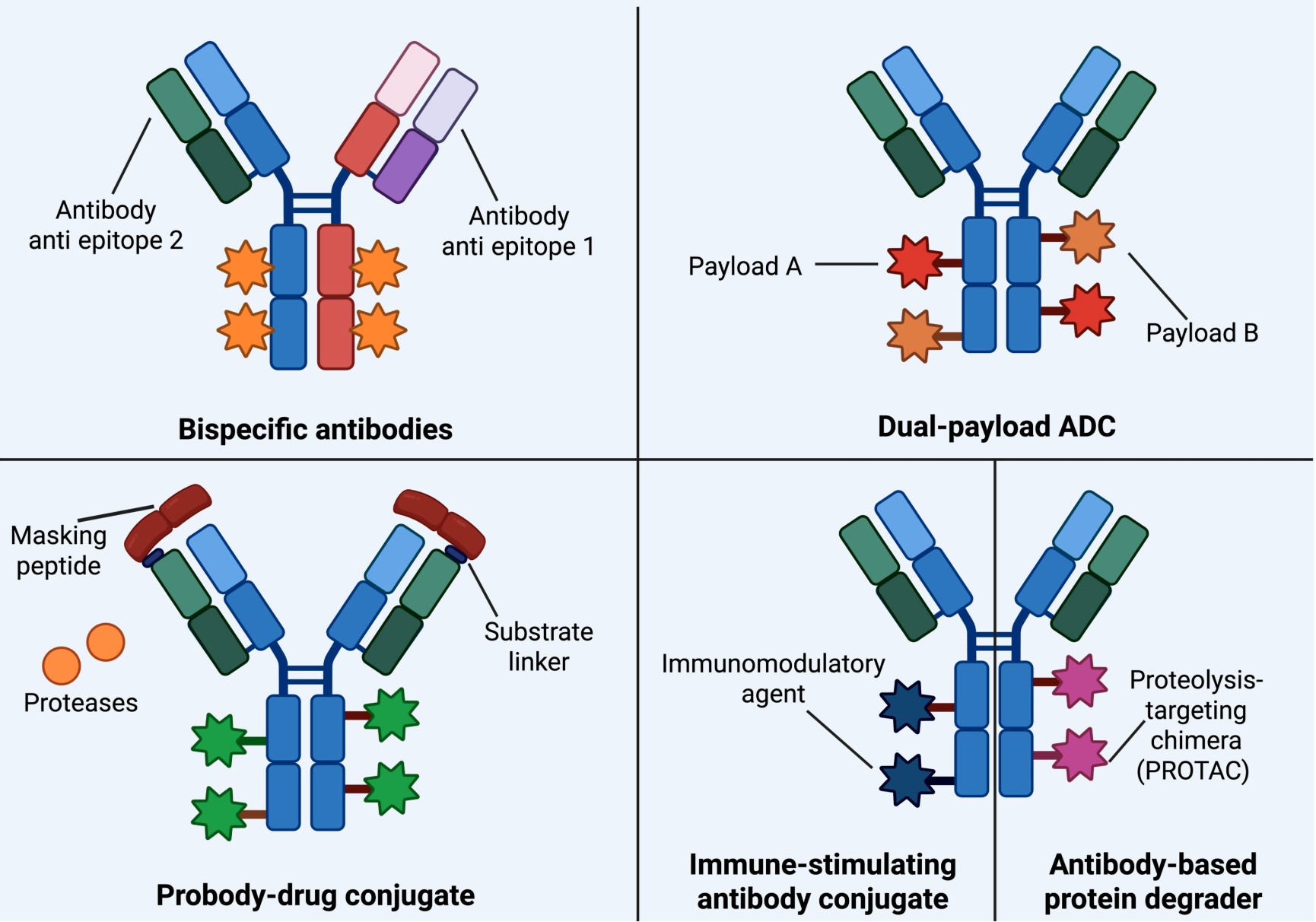


Antibody-drug conjugates (ADCs) are an emerging form of biologic drugs in the industry, often referred to as "magic bullets, " designed to enhance the therapeutic efficacy of antibodies. Currently, ADCs are widely used in oncology, and ADCs for other indications are also under development.
In this article, we explore the major trends shaping the future of targeted cancer drug delivery, and why integrated expertise in antibody discovery, engineering, and conjugation is becoming increasingly important for successful ADC development.
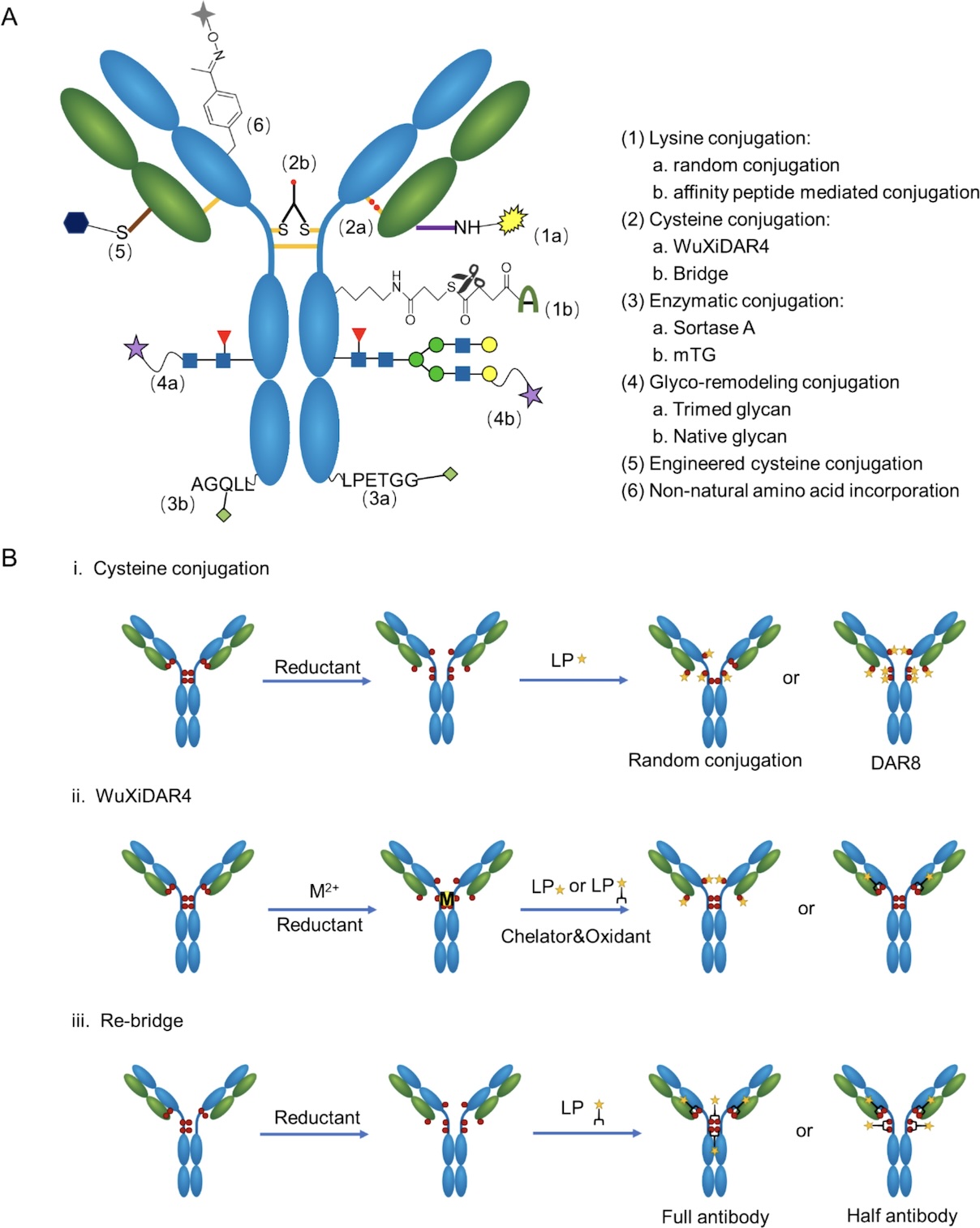
Site-specific conjugation limits payload attachment to defined positions on the antibody instead of allowing reaction across many accessible residues. As ADC design becomes more sophisticated, this level of control is increasingly important.
Antibody engineering optimizes performance. Biointron outlines methods to enhance affinity, stability, and developability, advancing therapeutic antibody success.
Antibody‑drug conjugates unite precise targeting with potent payloads. Explore linkers, payload classes, DAR control, and the levers that improve efficacy and safety.