



Discover the fundamentals of antibodies with our informative blogs. Learn about their structure, function, and role in the immune system.
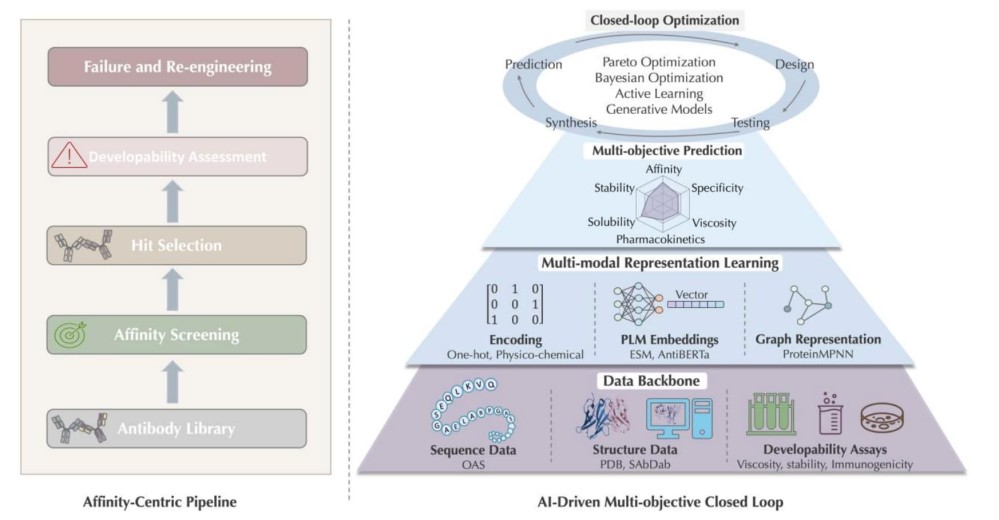
Identifying an antibody that binds strongly to its target is an important step in therapeutic discovery, but affinity alone does not determine whether a molecule will progress successfully through development. Antibodies with promising binding activity can still show undesirable properties related to stability, aggregation, self-interaction, nonspecific binding, solubility, or expression.
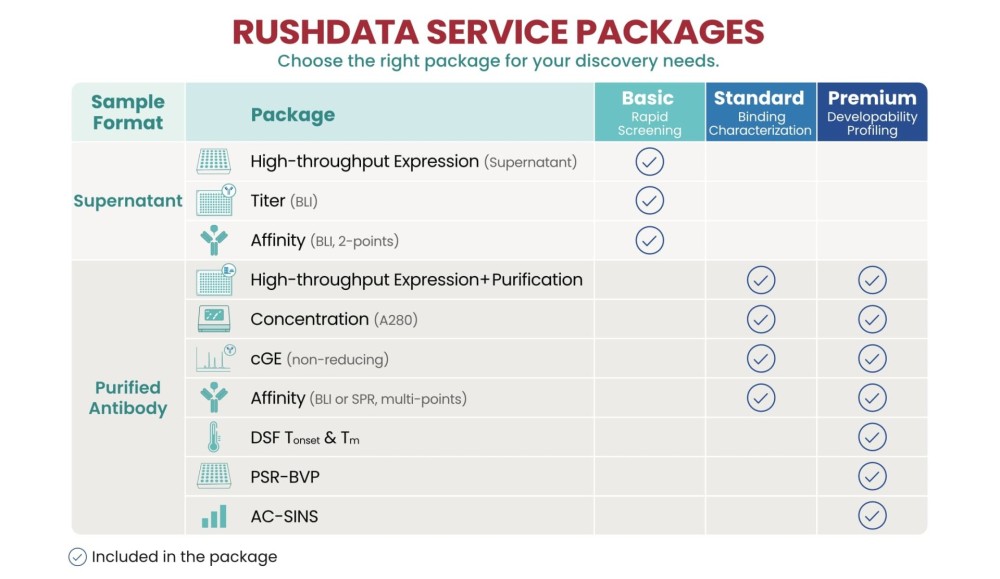
RushData offers three packages: Basic, Standard and Premium, designed to support these different stages of candidate evaluation. Each package combines high-throughput expression with a set of analytical assays and structured data outputs. The appropriate package depends on the scientific question being asked and the amount of characterization required.
For an antibody candidate, strong target binding is only part of the path toward a successful therapeutic. A molecule can show high affinity and selectivity yet encounter problems later because of poor stability, low expression, aggregation, non-specific binding, or other unfavorable biophysical properties.
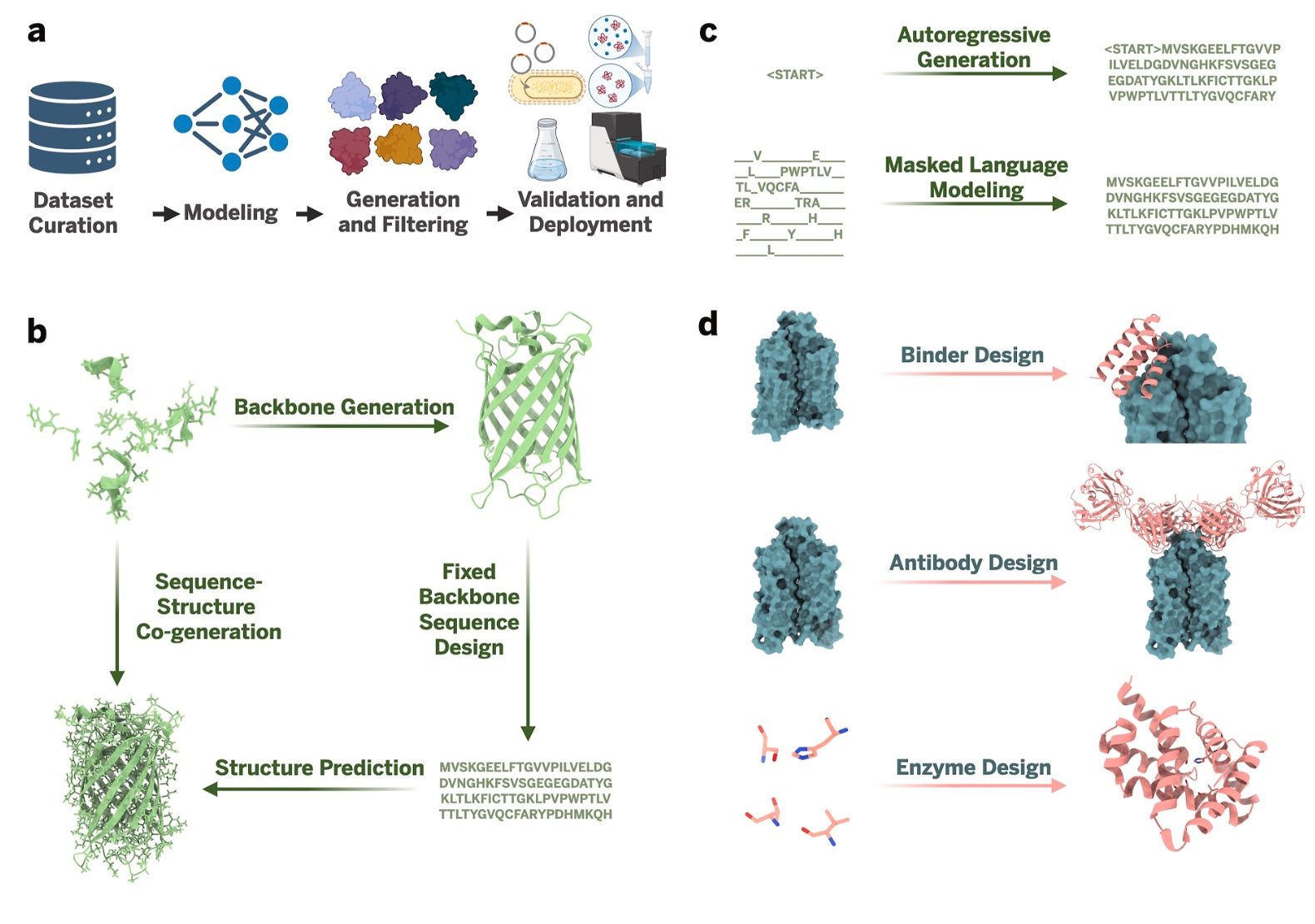
AI design still depends on experimental validationAI-driven antibody design is a process involving data curation, model development, candidate generation, computational filtering, and experimental validation.
Clinical drug development remains associated with a high failure rate, primarily to lack of efficacy, unmanageable toxicity, and suboptimal drug-like properties. These data indicate that, despite extensive optimization workflows, current strategies do not fully capture all determinants of clinical success.
Learn how monoclonal antibodies benefit from screening in development, covering biophysical properties, thermal stability, and machine learning drug discovery.
Learn what makes an antibody developable, including stability, aggregation, manufacturability, formulation, and in silico prediction methods.
Learn why early antibody developability assessment is critical for lead selection, manufacturability, stability, and reducing risk in antibody drug development.
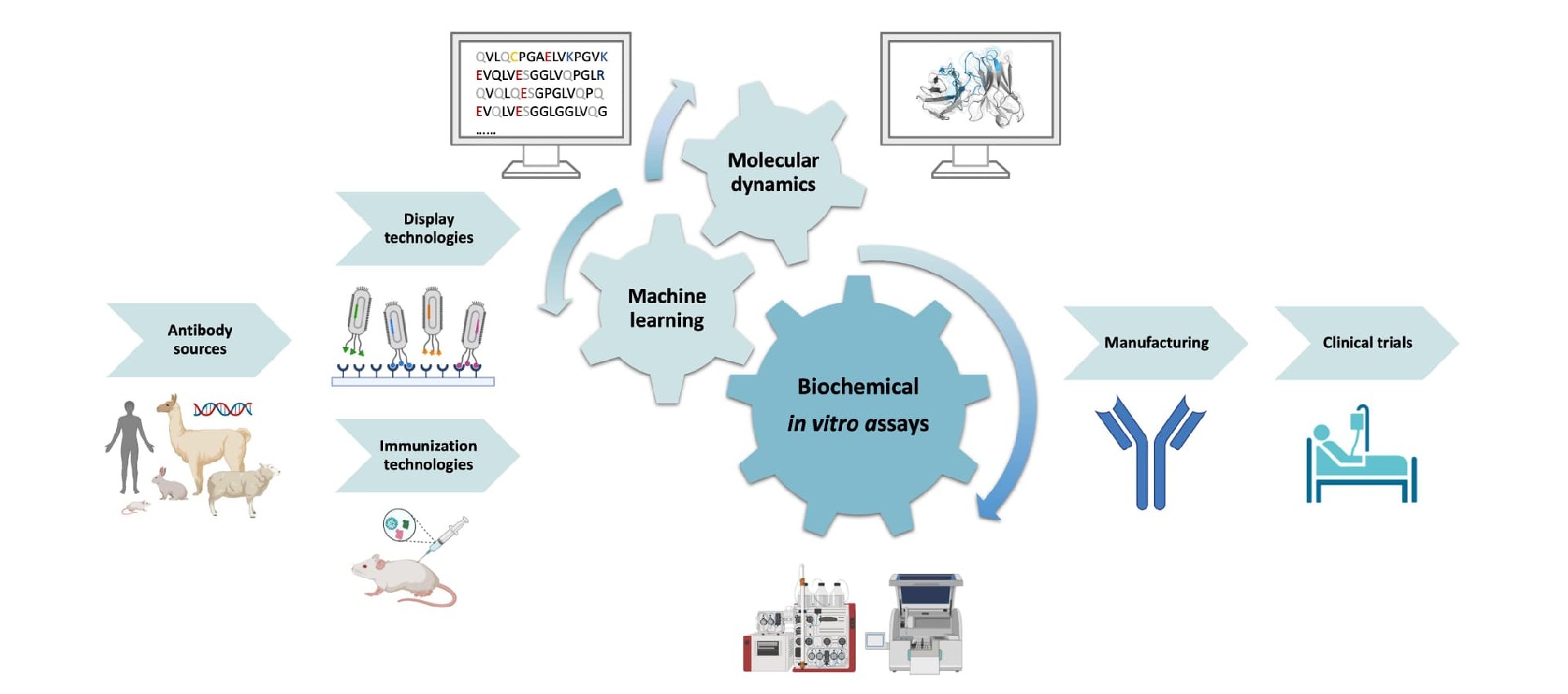
Explore how machine learning improves antibody developability, screening, and optimization by predicting biophysical properties and enhancing drug discovery outcomes.
Explore how computational predictors like SCM, TAP, and AlphaFold support therapeutic antibody development through AI-driven workflows and in silico tools.