

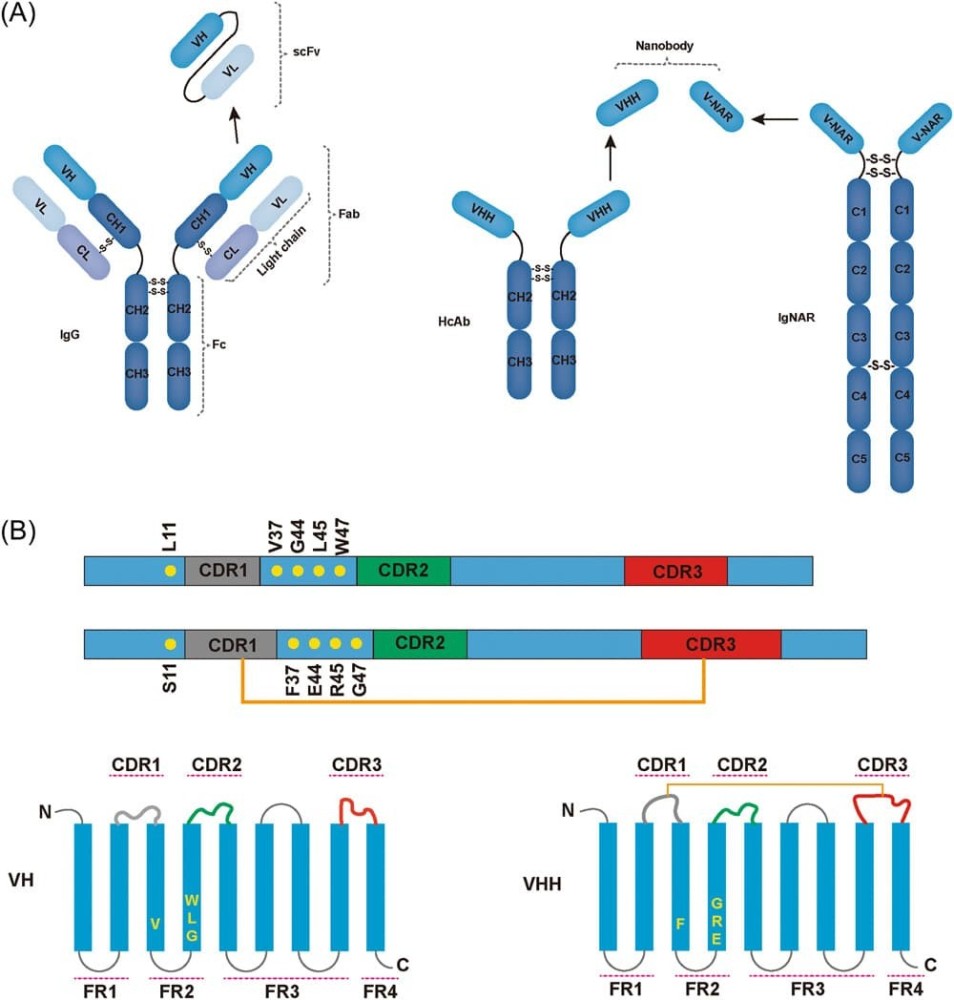
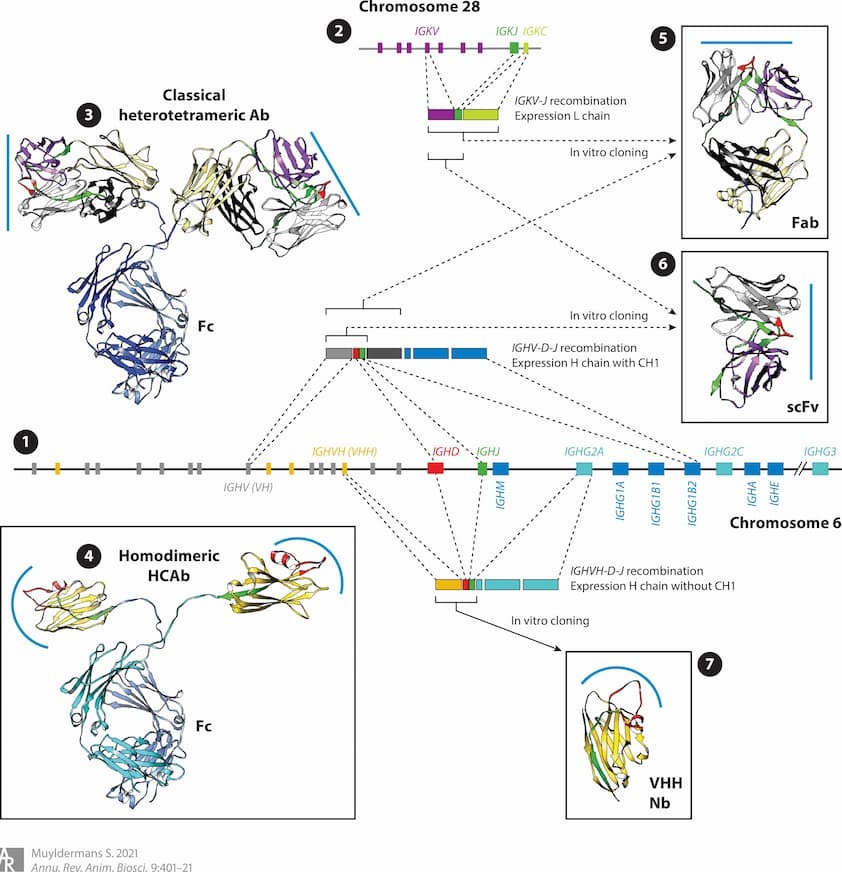
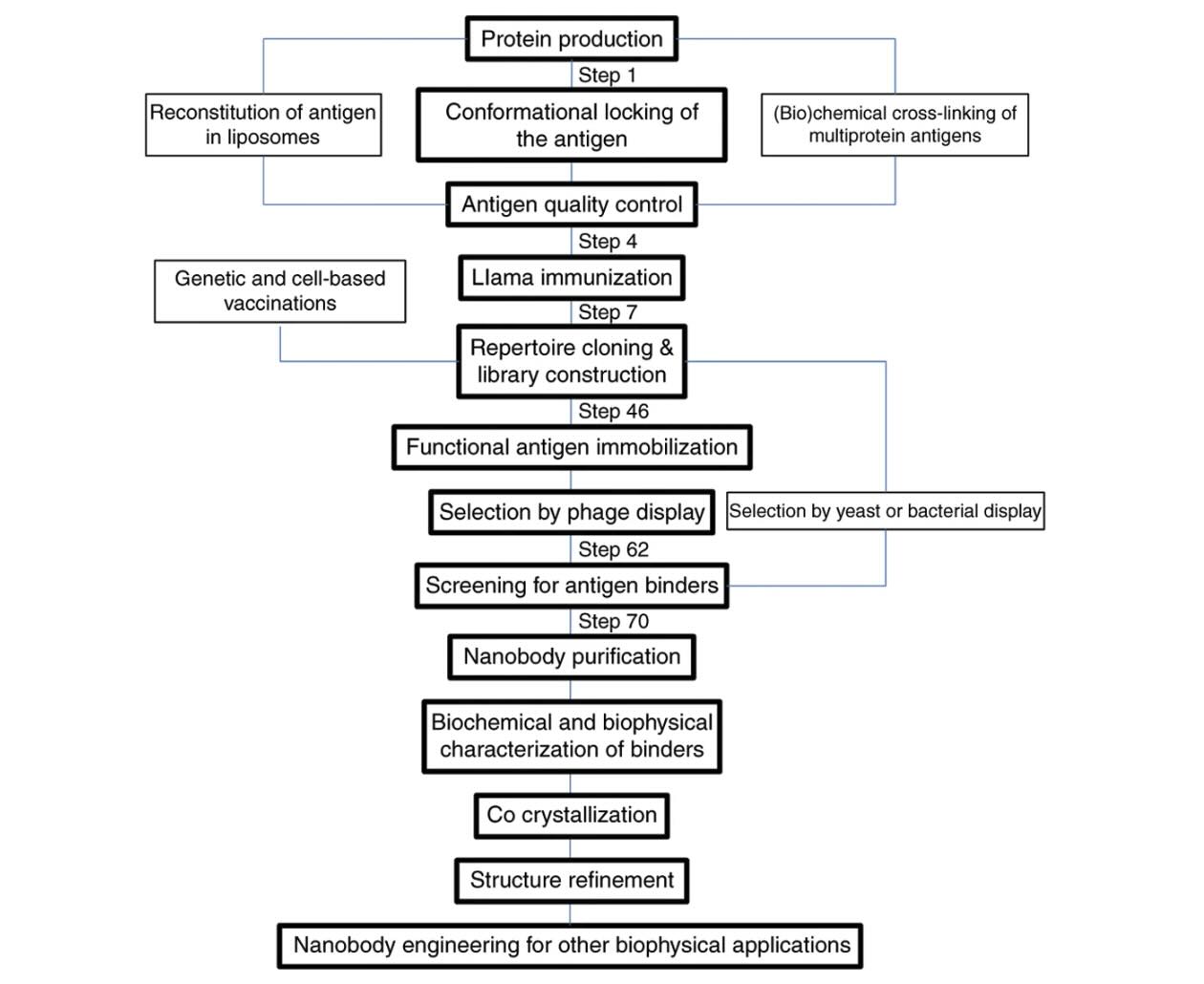



Insights on VHH antibody structure, production methods, and specialized uses in scientific research.
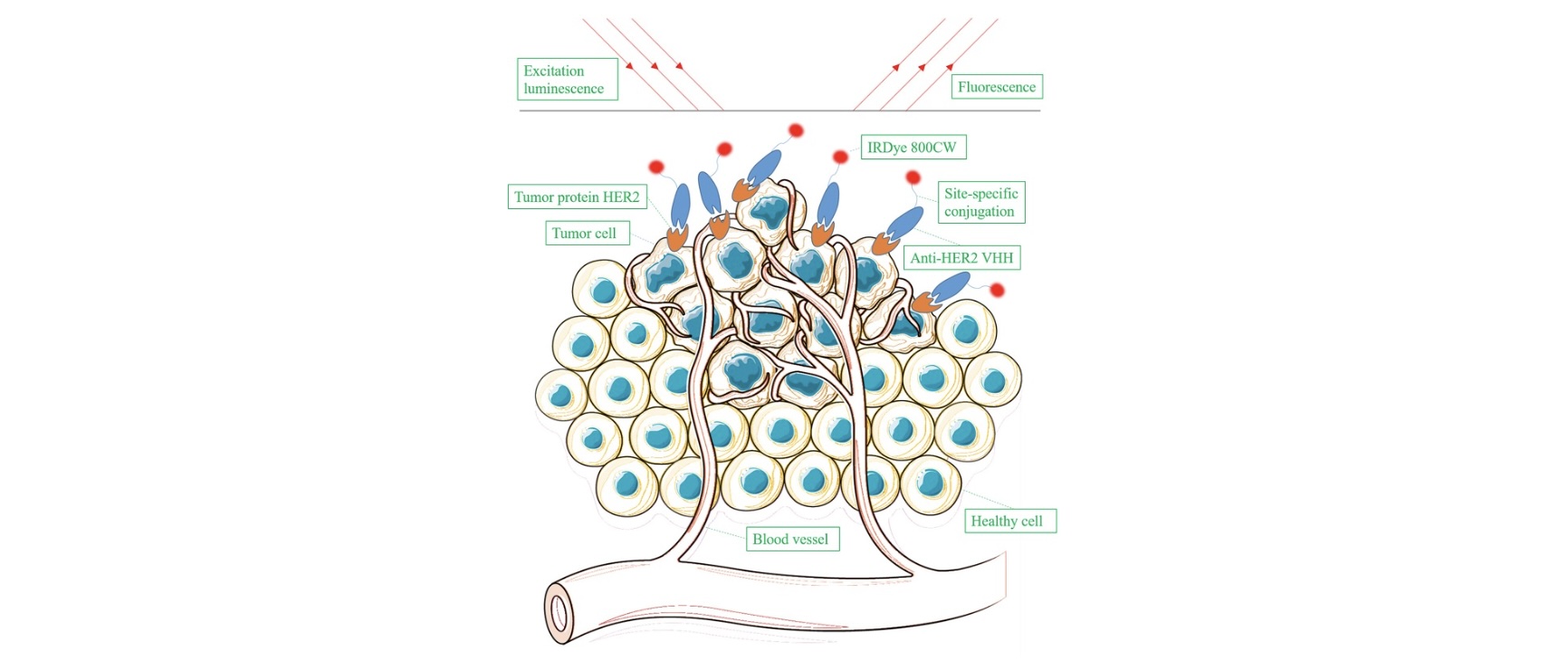
Explore fluorescent VHH probes for high-resolution detection, cell imaging, and diagnostics using nanobody-based tools for precise biological visualization.
Discover how VHH antibodies enhance ELISA platforms with high sensitivity, stability, and low detection limits for food safety and diagnostics.
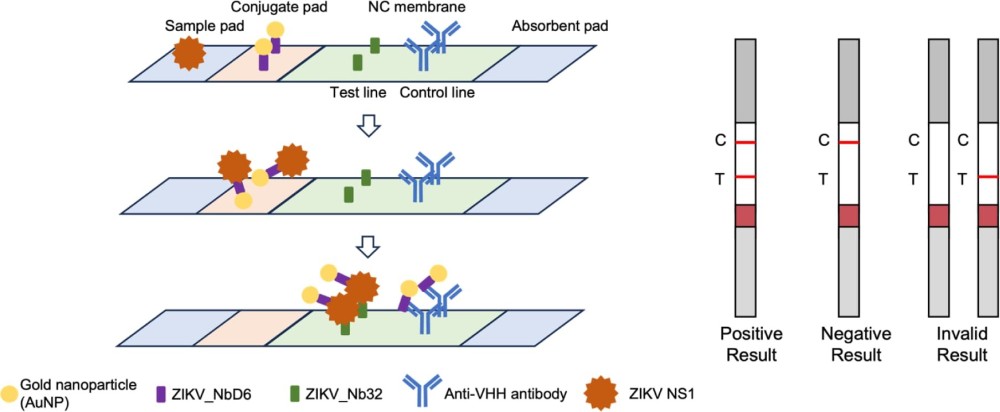
Explore how VHH in lateral flow assay development improves rapid diagnostics through enhanced stability, sensitivity, specificity, and multiplex detection capabilities.
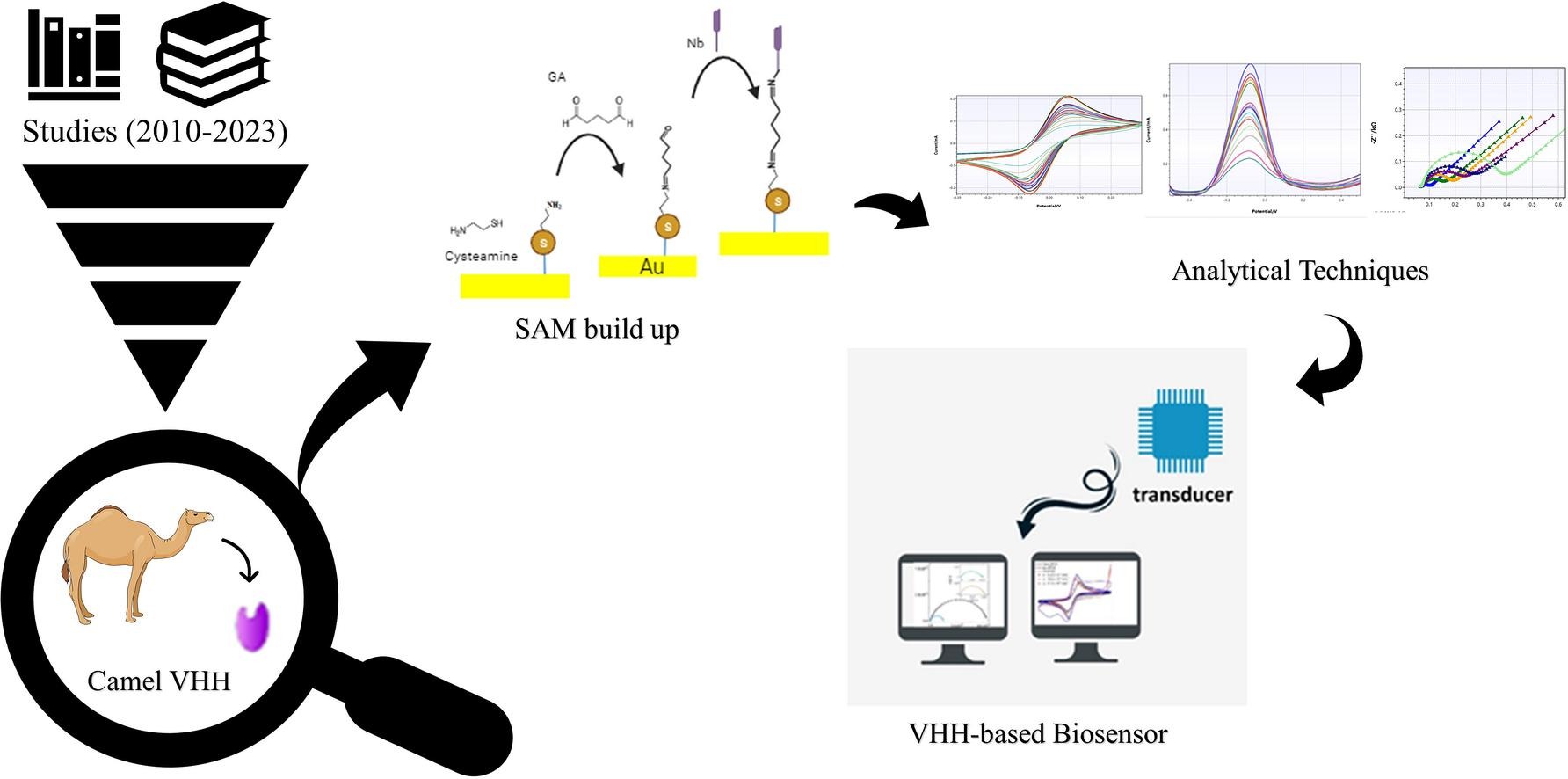
Explore VHH-based biosensors for high-sensitivity detection using nanobodies in electrochemical, SPR, and optical diagnostic platforms.
Explore how VHH antibodies stabilize protein conformations for crystallography, cryo-EM, and structural biology applications in protein structure studies.
Explore VHH antibody production strategies for molecular imaging probes, including PET, SPECT, MRI, and optical imaging applications using nanobodies.
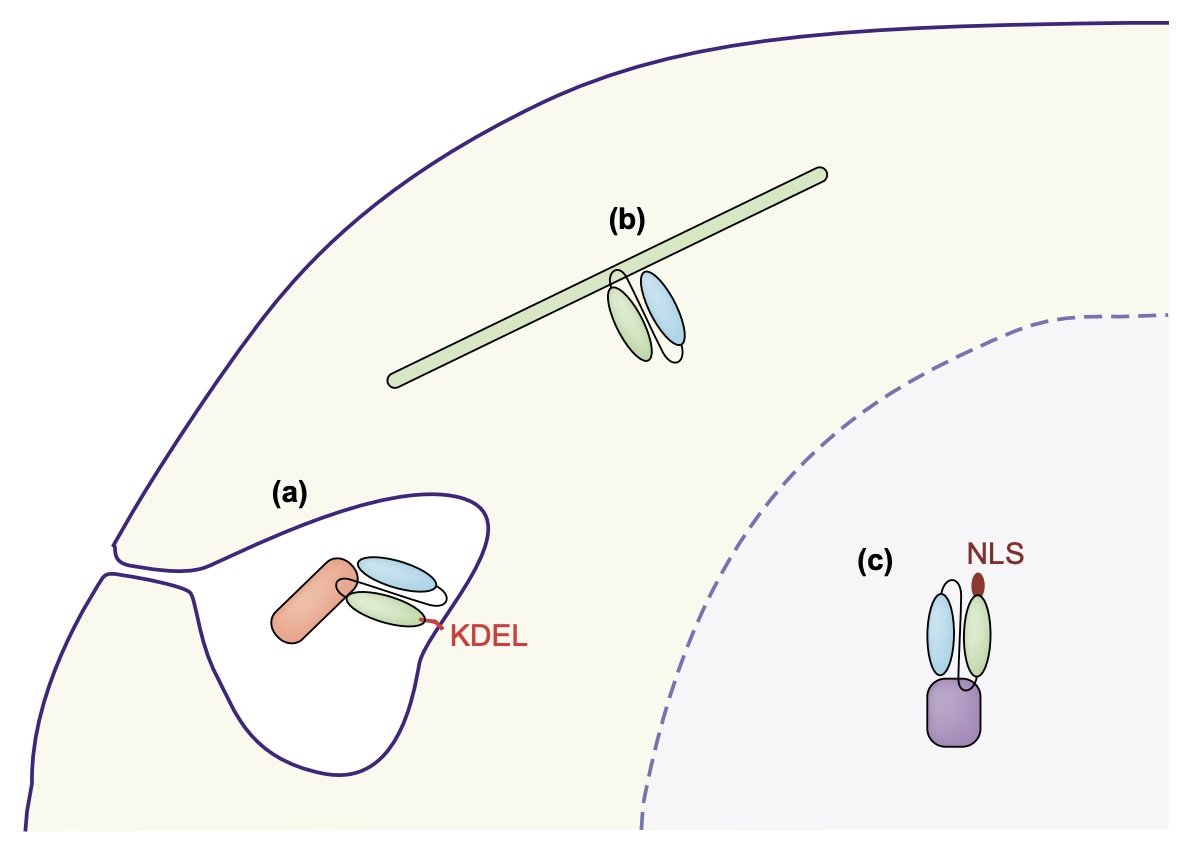
Explore VHH intrabodies for intracellular targeting, protein interaction studies, and therapeutic research applications. Learn more with Biointron.
Explore VHH Fc fusion and enzyme strategies to improve antibody half-life, effector functions, and targeted delivery. Learn more with Biointron.
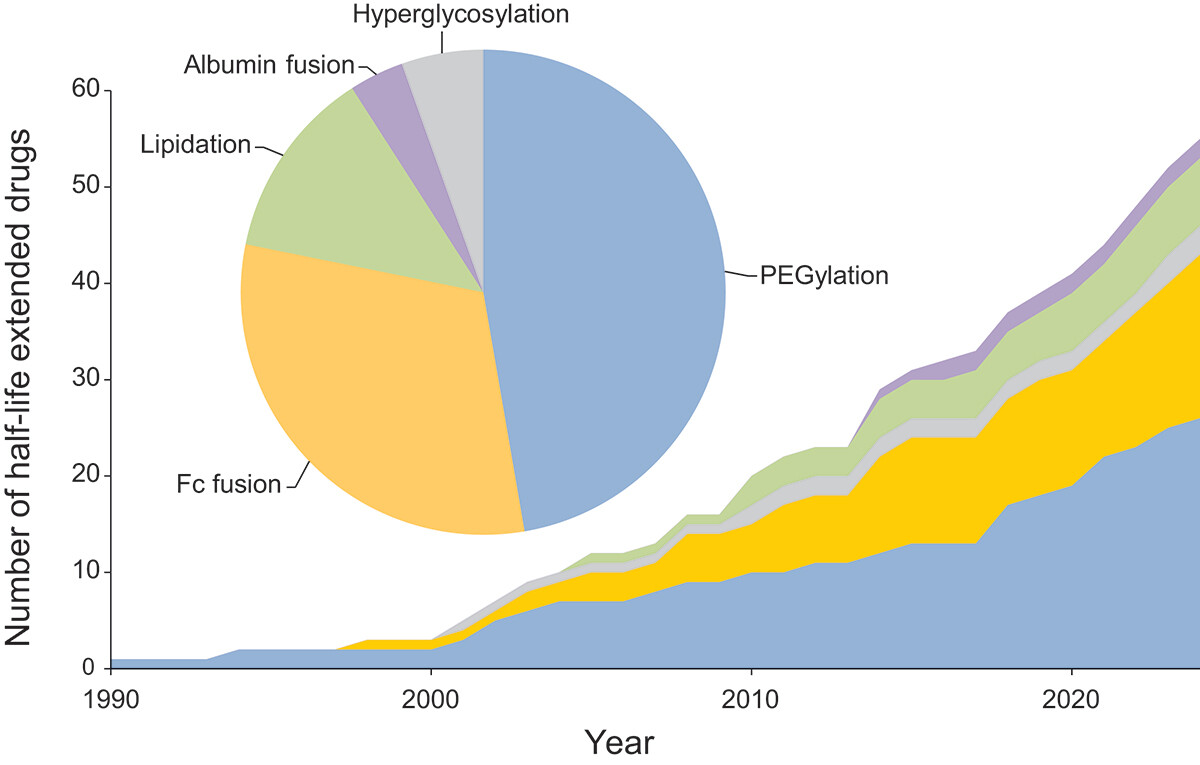
VHH half extension mechanisms like Fc fusion, albumin binding, and PEGylation to improve pharmacokinetics and performance. Contact Biointron.
Learn how multivalent and bispecific VHH antibodies are engineered, their advantages, applications, and key challenges in therapeutic development.
Explore VHH antibody humanization strategies, challenges, and validation methods to reduce immunogenicity while preserving stability and binding.
Antibody affinity is a core metric in immunology and biopharmaceutical science. It refers to the strength of the interaction between a single antigen epitope and the paratope (binding site) of an antibody. In the case of VHH antibodies, also called single-domain antibodies or nanobodies, this interaction occurs through the unique, compact paratope located on their heavy-chain-only variable domain.