


The 13th Antibody Industrial Symposium 2025 was held in Tours, France, from June 25-26. This event covers the latest advances and associated challenges in the field of therapeutic antibodies and their derivatives, recombinant proteins and other biomedicines, from R&D and into clinical phases. Popular topics include:
Discovery and optimization of multispecifics and immunocytokines
AI-based computational approaches
Biomarker assay development for ADC selection
Fc domains of mAbs
ADCs, BsAbs, Fc-fusion proteins
Multispecific antibodies are rapidly evolving, enabling broader target engagement and novel immunotherapeutic strategies.
CD3, CD28/CD47, and HER3 bispecifics, as well as MAIT and NK-cell engagers, offer synergistic mechanisms to enhance anti-tumor efficacy.
T-cell engagers are promising therapies across both solid and hematologic cancers.
Next-gen ADCs, such as anti-Napi2b and CD71-targeting molecules, show durable efficacy with improved tolerability and druggability.
Site-specific DAR1 conjugation, novel payloads like vincristine, and FDC formats enhance targeting and safety.
Multi-payload and fragment-based ADCs introduce modularity, deeper tissue penetration, and broader therapeutic scope.
Single-domain antibodies show promise in oncology, fertility, reproductive health, and neurodegenerative conditions.
New targets such as FSH, gonadotropin receptors, and TRPV6 expand therapeutic reach.
SPR-based and imaging-enabled sdAbs provide precision tools for diagnostics and treatment.
Fc modulation impacts potency, pharmacokinetics, and immune activity in mAbs, ADCs, and fusion proteins.
Alternative Fc strategies challenge traditional effector-silencing methods, while LC/MS studies inform function–structure relationships.
AI/ML platforms accelerate immuno-oncology discovery, antibody funnel design, and engineering efficiency.
Explainable AI and real-world data are being used to optimize strategies for diseases like IBD.
Innovations like pH-modulated checkpoint antibodies, microfluidics, MAPPs assays, and algae-based production improve early-stage development.
Optimized screening and sustainable manufacturing support robust mAb and BsAb pipelines.
Subcutaneous, inhaled, and CNS-targeted biologics improve patient access and administration routes.
VHHs, nanocarriers, and IgG nebulization enhance delivery, especially in neurological and respiratory applications.
Thank you to everyone who visited our booth at AIS to learn about our services! We had a fantastic time chatting with you and how it can help you achieve antibody development. Our expert team would be happy to answer any follow-up questions. Feel free to email us at info@biointron.com or visit our website at www.biointron.com.

Biointron announces limited-time RushData launch pricing for high-throughput ant……
August 2026 brought another mix of acquisitions, licensing agreements, strategic……
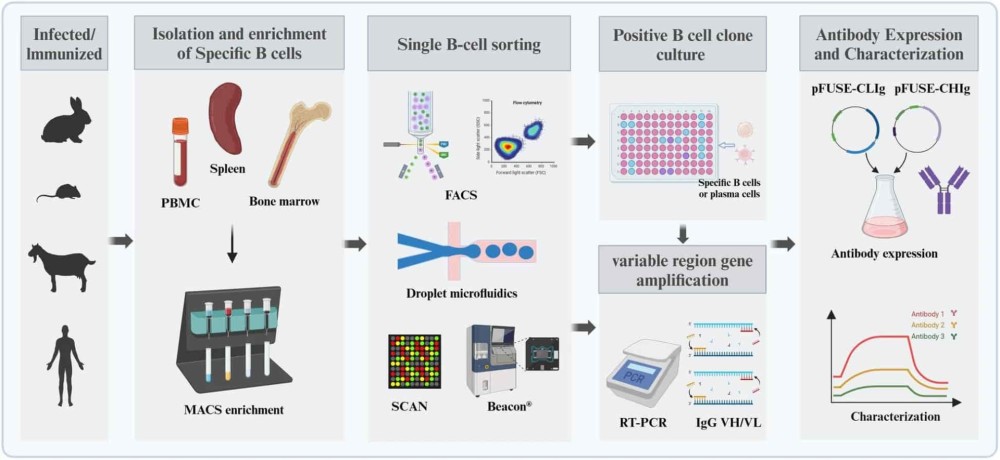
Antibody discovery often begins with a highly diverse population of B cells, onl……
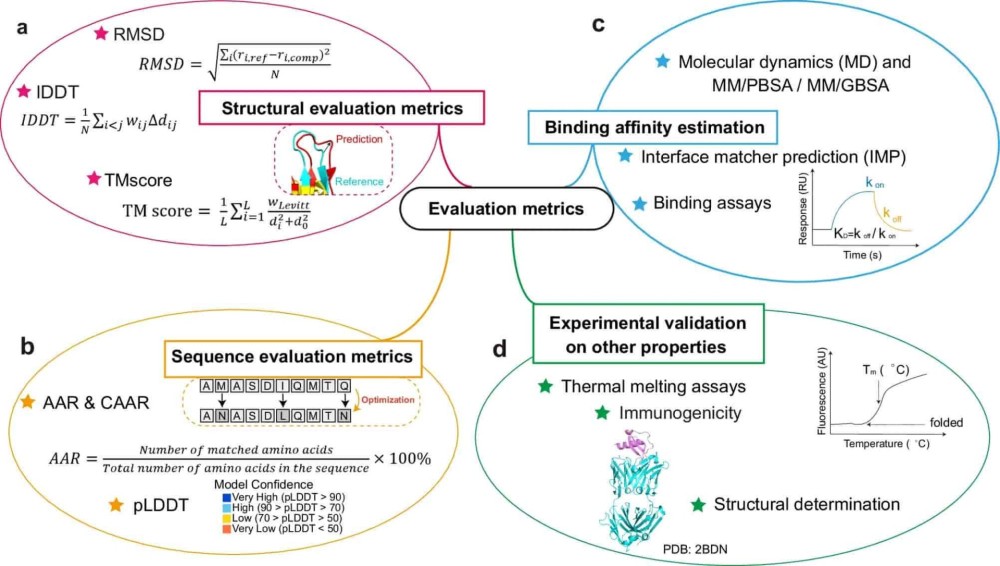
As larger candidate panels move from computational design into the laboratory, a……