



Antibody Therapeutics Xchange - Boston 2026 was held on April 28, 2026. The event brought together industry leaders from the pharmaceutical and biotech sectors to tackle key challenges in Target Selection & Mechanisms of Action, Lead Identification & Optimization, Formats & Scaffolds, Bi/Multispecifics, ADC Linker Design & Conjugation Technologies, and ADC Cytotoxic Payload.
Integration of AI across discovery workflows: application of generative models, structural prediction, and developability screening early in lead identification to compress timelines and improve candidate quality.
Shift toward multispecific and complex antibody formats: increase in bispecifics, VHH-based constructs, and synthetic immune synapse engineering to address limitations of monospecific antibodies.
Increased focus on developability and manufacturability: parallel optimization of affinity, specificity, and biophysical properties during early discovery stages.
Advances in ADC design: continued refinement of linker chemistry, conjugation strategies, and payload selection to balance efficacy and toxicity.
Target biology-driven design: integration of spatial multiomics and tissue-level analysis to improve target selection and reduce on-target/off-tumor effects.
Minimizing on-target toxicity through target biology integration (Johnson & Johnson): Strategies to discriminate diseased versus healthy tissue expression and mitigate adverse effects via mechanism-of-action-informed design.
Parallel engineering for affinity, specificity, and developability with an emphasis on simultaneous optimization of multiple antibody properties to address differentiation and patentability challenges in increasingly crowded antibody landscapes.
Overcoming membrane protein complexity using display technologies (Modunai Therapeutics): Application of advanced display platforms to address tumor microenvironment (TME) biology and enable targeting of complex membrane protein assemblies.
Impact of delivery technologies on lead requirements (Merck): Manufacturing, formulation, and half-life extension technologies are redefining criteria for stability, dosing, and developability in antibody candidates.
AI-enabled early developability and affinity optimization through evaluation of optimal stages for AI integration, including affinity maturation and cross-reactivity prediction.
AI and structural biology integration for rational design (Alevian): Leveraging high-quality structural datasets to improve predictive modeling and reduce reliance on low-resolution or sparse data.
VH/VHH discovery and developability optimization (Ecliptic Bio): Comparison of transgenic mouse platforms, synthetic libraries, and llama immunization for binder diversity and drug-like properties.
Emerging multispecific therapeutic strategies (GV20 Therapeutics): Engineering cell-surface target degraders and recycling antibodies to enhance efficacy and pharmacokinetics.
Developability-driven biologics discovery through early incorporation of cell-based assays and developability metrics to improve downstream success rates.
Building block compatibility in multispecific design (Crossbow Therapeutics): Importance of domain selection, linker strategies, and aggregation risk mitigation in complex antibody architectures.
Synthetic immune synapse engineering (Imgen Biosciences): Design of next-generation T cell engagers to overcome limitations of endogenous immune recognition systems.
Balancing linker stability and payload release (GSK): Optimization of linker chemistry to ensure systemic stability while enabling efficient intracellular cleavage.
Conjugation strategies to reduce off-target toxicity through control of drug-antibody ratio (DAR), linker kinetics, and structural features to improve ADC safety and efficacy.
Analytical and structural considerations in ADC design with an emphasis on analytical robustness and stoichiometry control to support consistent manufacturing and performance.
Mechanisms of resistance to ADC payloads (AstraZeneca): Identification of cellular pathways affecting intracellular trafficking, lysosomal release, and payload efficacy.
Use of biomarkers to stratify patients and guide therapeutic strategies targeting resistance mechanisms.
Development of safer, more potent cytotoxins (Regenova Pharmaceuticals): Optimization of payload-linker combinations to reduce systemic toxicity while maintaining antitumor activity.
Thank you to everyone who met us at Antibody Therapeutics BOSTON Xchange 2026 to learn about our services! We had a fantastic time chatting with you and how it can help you achieve antibody development. Our expert team would be happy to answer any follow-up questions. Feel free to email us at info@biointron.com or visit our website at www.biointron.com.
Biointron announces limited-time RushData launch pricing for high-throughput ant……
August 2026 brought another mix of acquisitions, licensing agreements, strategic……
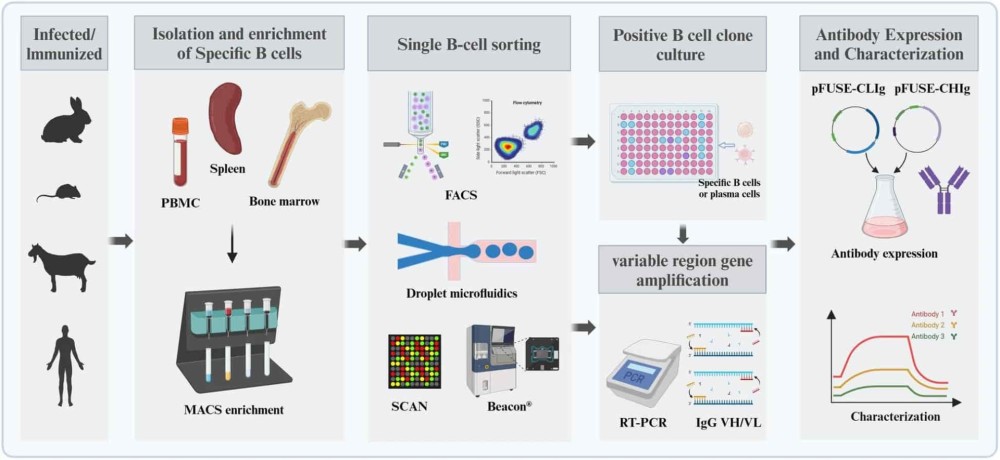
Antibody discovery often begins with a highly diverse population of B cells, onl……
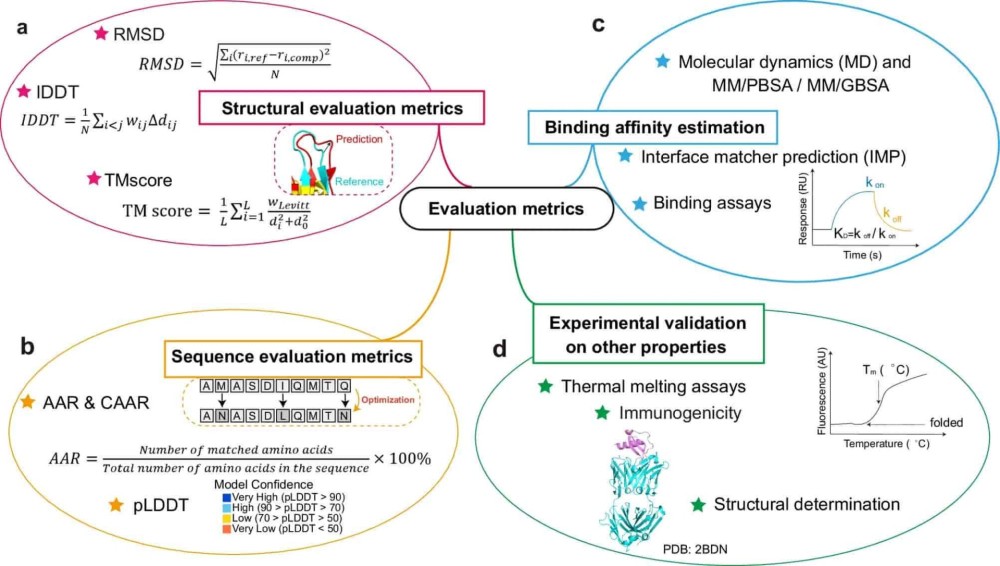
As larger candidate panels move from computational design into the laboratory, a……