



The Chinese Antibody Society (CAS) Annual Conference 2025 was held in Boston, MA on May 10. The meeting was titled “New Frontiers of Bispecific Antibodies, Antibody-Drug Conjugates and Beyond” and featured the latest advancements in therapeutic antibodies, in addition to innovative approaches in their discovery, development, and manufacturing. Several prominent speakers in the biopharmaceutical field gave talks throughout the day.

Antibody biology can be mined for novel functionalities and therapeutic development.
Discovery platforms are integrating antibodies, nanobodies, biparatopics, and AI for more efficient pipeline generation.
Transferrin receptor-targeting bispecific chimeras enable degradation of membrane proteins.
Therapeutic antibodies are being developed for difficult multi-pass transmembrane protein targets.
Bispecific myeloid engagers (BiME) show promise in treating solid tumors.
Multispecific antibodies are being engineered to overcome tumor resistance mechanisms.
Trends in ADC development emphasize strategic CMC planning and case studies from GV20.
A cMET-targeting ADC demonstrates enhanced payload delivery to tumor cells.
Panelists discuss the challenges and future potential of next-generation ADCs for cancer and other diseases.
Next-generation MHC and transmembrane protein platforms are advancing tumor immunotherapy discovery.

Thank you to everyone who joined us with CAS! We had a fantastic time connecting with you and sharing how we can help you achieve antibody development. Our expert team would be happy to answer any follow-up questions. Feel free to email us at info@biointron.com or visit our website at www.biointron.com.
Biointron announces limited-time RushData launch pricing for high-throughput ant……
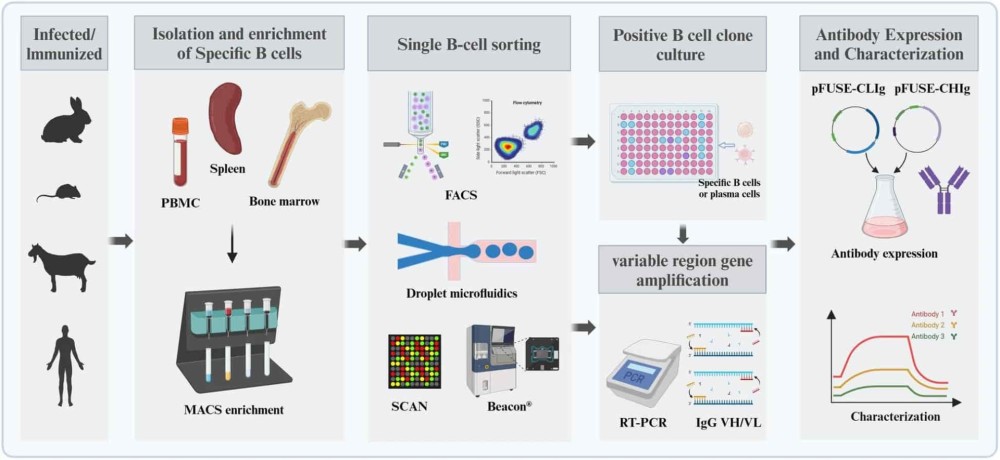
Antibody discovery often begins with a highly diverse population of B cells, onl……
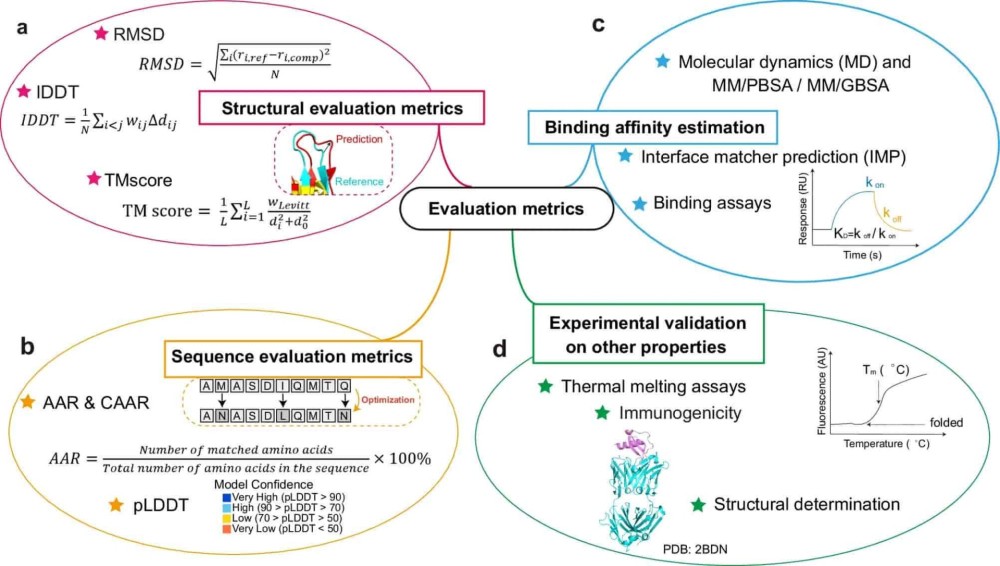
As larger candidate panels move from computational design into the laboratory, a……
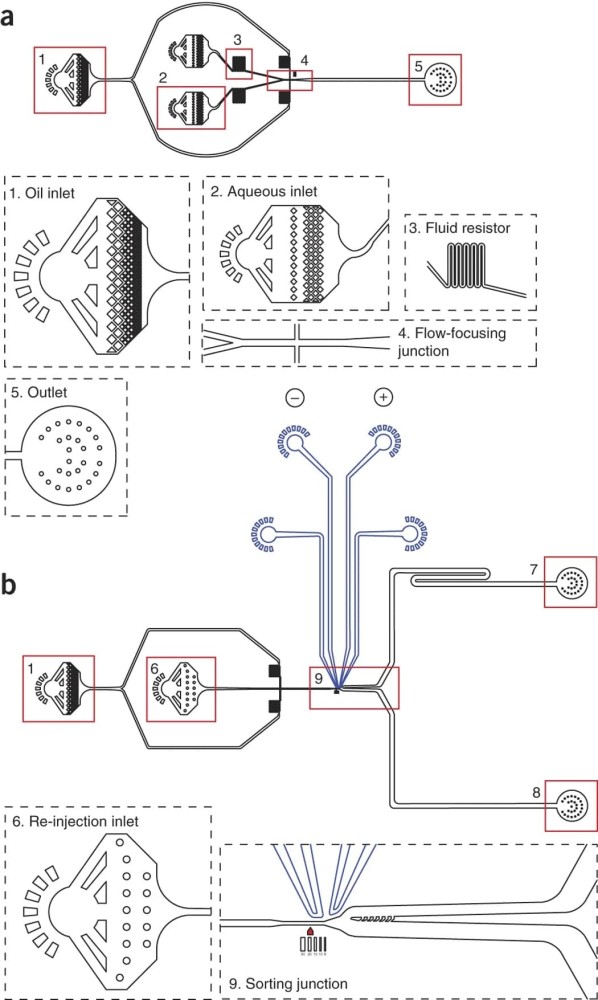
The idea of single-cell technology is to examine B cells individually. Droplet ……