


Cambridge Healthtech Institute’s 13th Annual 2025 Immuno-Oncology Summit was held in Philadelphia, PA, USA, from August 11-13. The event coverage spanned solid tumor innovations, including bi/multispecific antibodies, antibody-drug conjugates (ADCs), allogenic and in vivo CAR-Ts, TILs, TCRs, Tregs, multiple cell therapies working together, the tumor microenvironment, innate immunity, gamma delta T cells, NK cells, organoid modeling, data science, and machine learning.
Popular topics include:
Bi & Multispecific Engineering
Translating Multispecific Success
Antibody-Drug Conjugates
Breakthroughs in Cell Therapy
Autoimmunity
Innate Immunity
Therapeutic index by design: Talks emphasized dual-antigen logic, affinity tuning, and masking to curb off-tumor activation while preserving on-tumor potency, especially for CD3-based TCEs in solid tumors.
Conditional co-stimulation: Trispecifics (e.g., CD3×CD28 + tumor anchor) and CD28×Nectin-4 concepts showed safer T-cell uplift with format/valency screens guiding developability.
pHLA expansion: Patient-derived pHLA targets extend multispecifics to intracellular oncogenes across CRC, TNBC, and squamous NSCLC, supported by QSP models for dose/design.
Signals 1/2/3 stacking: Pairing xCD3 with co-stimulation—and layering cytokine support—drove deeper preclinical and early clinical anti-tumor responses versus xCD3 alone.
Smart control systems: AutoRegulation (AR) tech embeds self-limiting circuits to avoid overactivation/exhaustion, aiming for community-based dosing and better safety margins.
Cytokine fusion targeting: Multispecific IL-2/IL-10 fusions directed to EGFR achieved high TME exposure with mitigated systemic toxicity signals, suggesting a safer IO backbone.
Window widening toolkit: Site-specific conjugation (DAR control), Fc silencing, optimized linker length, and novel cleavables (non-disulfide) collectively improved tolerability and tumor payload delivery.
Heterogeneity aware: Bystander-capable payloads and stromal-targeting ADC models may sustain responses when antigen expression is patchy.
New targets & payload logic: FucGM1 GlyMab-ADC for SCLC and CD19–GR modulator ADC leverage selectivity or pathway biology to broaden impact.
Solid-tumor upgrades: OUTLAST conditioning pre-arms CAR-T against TGF-β and TME stress; logic-gated CARs (AND gates + SPAs/shRNAs) raise specificity and persistence.
From inside the cell: PC-CAR-T approaches use HLA-presented peptides to reach intracellular drivers; several programs are clinic-bound in 2025.
Homing hacks: sLeX exofucosylation boosts T-cell trafficking and infiltration, translating to stronger in vivo efficacy.
IO learnings, reversed: CAR-T targeting autoreactive B-cell signatures (e.g., IGHV4-34) offers precise immune “reset” while preserving protective immunity.
T-cell restraint without blanket immunosuppression: PD-1×CD2 cis-agonists and TCRVβ-selective bispecifics aim to quell pathogenic clones over Tregs/effector indiscriminacy.
De novo and tolerance platforms: TNFR1-selective miniproteins, LNP-mRNA tolerance, and pMHC-nanoparticles highlight antigen-specific modulation with fewer systemic side effects.
NK-centric multispecifics: TriKE + PACC architectures layer IL-15 signaling with added binding/blocking fragments; CIR-NK cells against HLA-G showed durable cytotoxicity.
Microenvironment maps → targets: Spatial/single-cell work flagged CCL8/CCL13+ macrophages driving CAR-T resistance and CAF programs (MYH11+, FAP+) that exclude T cells, pointing to stromal interventions.
Clinical practicality: Allogeneic NK without lymphodepletion preserves combinability with T-cell therapies and may simplify regimens for solid tumors.

Thank you to everyone who visited our booth at Immuno-Oncology Summit 2025 to learn about our services! We had a fantastic time chatting with you and we would love to continue conversations on how we can help you achieve antibody development. Our expert team would be happy to answer any follow-up questions. Feel free to email us at info@biointron.com or visit our website at www.biointron.com.
Biointron announces limited-time RushData launch pricing for high-throughput ant……
August 2026 brought another mix of acquisitions, licensing agreements, strategic……
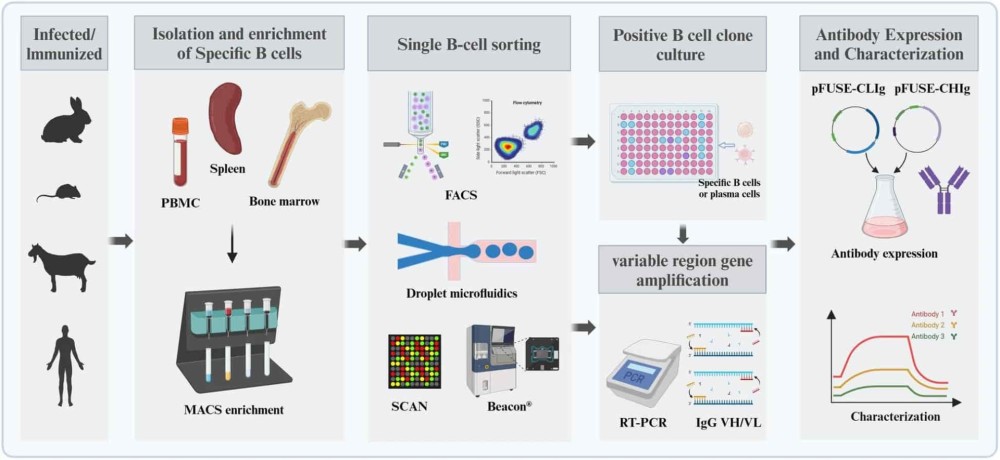
Antibody discovery often begins with a highly diverse population of B cells, onl……
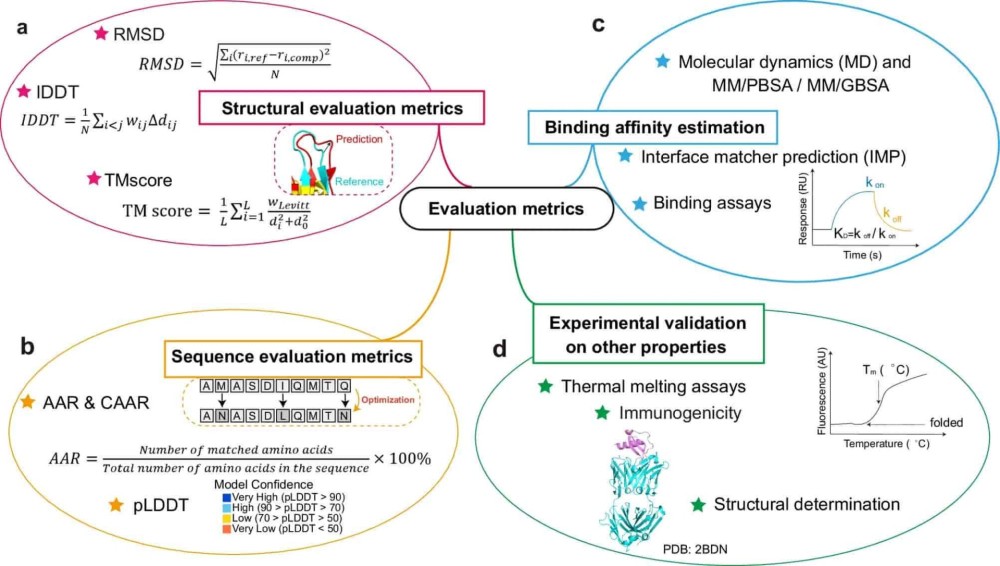
As larger candidate panels move from computational design into the laboratory, a……