
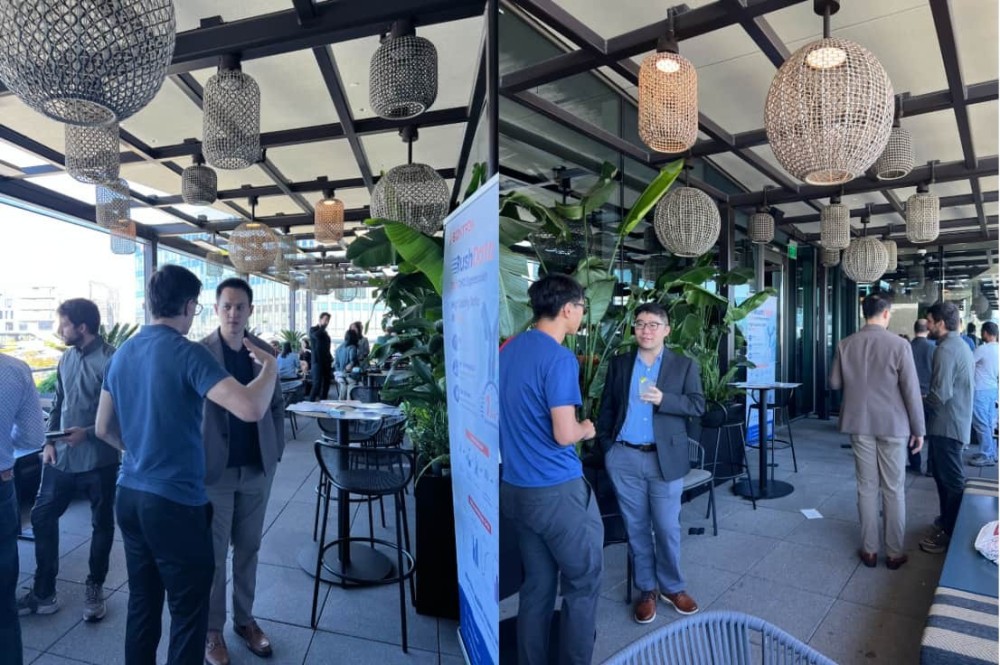



IMMUNOLOGY2026™ was held in Boston, MA, from April 15-19, 2026. As the 109th annual meeting of the American Association of Immunologists, it brought together thousands of researchers, clinicians, and industry leaders from around the world to showcase the latest advances in immunology. The meeting highlighted a broad spectrum of scientific progress, from fundamental insights into immune cell biology to translational innovations shaping vaccines, antibody therapeutics, and immune-mediated disease treatment, under the central theme of translating discovery into clinical impact.
Antibody function is multi-dimensional: beyond binding, emphasis on agonism, multifunctionality, and immune modulation
B cell biology is a central driver of disease, spanning autoimmunity, infection, and vaccine durability
Convergence of computational design + structural biology is accelerating antibody discovery and optimization
mRNA and next-gen vaccine platforms are enabling durable, cross-reactive antibody responses
Immunogenicity, assay interference, and validation are emerging as critical translational bottlenecks
Immune memory and imprinting influencing vaccine and therapeutic strategies
Antibody therapeutics are evolving toward multifunctional and agonist formats, including GPCR-targeting antibodies that actively resolve inflammation
Antibody-drug conjugates (ADCs) are expanding beyond oncology into immune cell engineering (e.g., CAR-T adaptors)
Emergence of bispecific and bifunctional antibodies targeting multiple immune pathways simultaneously (e.g., cytokine signaling axes)
Increasing focus on non-depleting and signaling-modulating antibodies, rather than simple blocking mechanisms
B cells are recognized as active regulators of immunity, including cytokine-producing subsets influencing antiviral and autoimmune responses
Identification of specialized Tfh and regulatory cell subsets that sustain or suppress antibody production
Evidence that antibody lineages can persist for decades, shaping long-term immune memory and recall responses
Insights into germline-encoded and convergent antibody responses, suggesting predictable immune patterns across individuals
mRNA-LNP vaccines demonstrate strong cross-clade and functional antibody responses across species
Vaccine responses are increasingly linked to metabolic and cellular states (e.g., T cell metabolism correlating with antibody durability)
Maternal antibodies and immune imprinting significantly influence vaccine efficacy and immunogenicity
Growing focus on broadly neutralizing and cross-reactive antibodies for infectious diseases
Autoantibodies are being reframed as both drivers and biomarkers of disease progression (e.g., T1D, long COVID, neurological disorders)
Discovery of epitope-specific IgG subclasses (e.g., IgG4) linked to immune tolerance in allergies
Increasing recognition of tissue-specific and age-associated B cell populations in autoimmune disease initiation
Evidence that antibody-mediated mechanisms extend into chronic inflammation and neuroimmune disorders
Rising importance of early antibody validation and specificity design, particularly for reproducibility and translational success
Development of animal-free and recombinant antibody strategies to reduce assay interference
Advances in structural biology + mathematical modeling to optimize antibody pharmacology and clinical outcomes
Integration of AI/ML and high-throughput profiling to map antibody repertoires and guide design

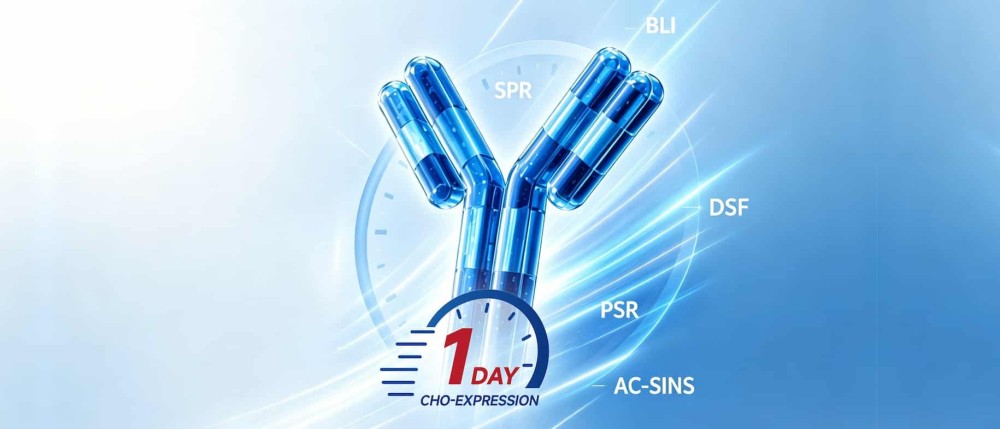
Thank you to everyone who visited our booth at IMMUNOLOGY 2026 to learn about our services! We had a fantastic time chatting with you and how it can help you achieve antibody development. Our expert team would be happy to answer any follow-up questions. Feel free to email us at info@biointron.com or visit our website at www.biointron.com.
Biointron’s Antibodies After Hours: From Algorithms to Antibodies was held at Th……
Discover how high-throughput wet-lab validation connects AI-designed antibody se……
Understand the hybridoma generation process for monoclonal antibody production, ……
Learn how AI antibody discovery connects computational design with antibody expr……