




Developability refers to the likelihood that an antibody candidate can be successfully advanced into a manufacturable, safe, and efficacious therapeutic product. It encompasses properties that enable progression through chemistry, manufacturing, and control (CMC) processes within acceptable cost and timeline constraints. More broadly, developability includes the ability of a molecule to meet requirements across testing, manufacturing, storage, and clinical administration.
Importantly, developability is distinct from target-binding performance. High affinity and specificity alone are insufficient if the molecule exhibits poor physicochemical or manufacturing behavior. Instead, developability is determined by a combination of intrinsic molecular properties and extrinsic factors such as intended clinical use, dosage, and route of administration.
At the molecular level, developability outcomes are governed by structural and sequence-derived features that influence stability, solubility, homogeneity, and specificity. These attributes collectively determine observable characteristics such as expression yield, aggregation behavior, and formulation stability.
These antibody developability assessments are increasingly supported by in silico approaches, including machine learning algorithms and advanced in silico tool platforms that evaluate antibody sequences, physicochemical properties, and potential liabilities before experimental validation.
Attrition in antibody development is frequently linked to suboptimal developability rather than lack of biological activity. Poor physicochemical properties can lead to failures during scale-up, formulation, or clinical evaluation, increasing development timelines and costs. Integrating developability assessment early in discovery reduces the risk of advancing unsuitable candidates and improves overall success rates.
Early evaluation of antibody developability helps prioritize therapeutic antibodies with favorable physicochemical properties, reducing the likelihood that an antibody drug candidate will fail during manufacturing or clinical development. It also supports more efficient antibody discovery by identifying high-quality candidates earlier in the pipeline.
Developability is now considered a critical selection criterion alongside efficacy and safety. Early-stage screening enables prioritization of candidates with favorable manufacturability and stability profiles, minimizing costly late-stage optimization. This is particularly relevant given increasing R&D costs and declining success rates in clinical development.
The criteria for acceptable developability are context dependent. For example, antibodies intended for subcutaneous administration require high-concentration formulations and therefore impose stricter constraints on solubility and viscosity than intravenously administered therapies.
Developability is fundamentally driven by intrinsic molecular properties, which can be categorized into four major classes: conformational, chemical, colloidal, and interaction-related properties. These categories provide a framework for understanding how sequence and structure influence downstream behavior.
Conformational stability refers to the ability of an antibody to maintain its native folded structure under physiological and stressed conditions. Instability can result in unfolding, aggregation, or loss of function. Thermal stability (e.g., melting temperature) is commonly used as a proxy for conformational robustness.
Chemical liabilities arise from sequence motifs susceptible to degradation pathways such as deamidation, oxidation, and isomerization. These modifications can alter binding affinity, reduce potency, or impact pharmacokinetics. For example, deamidation within complementarity-determining regions (CDRs) has been shown to directly reduce target binding and efficacy.
Colloidal stability describes intermolecular interactions that influence aggregation, viscosity, and phase behavior. Antibodies with high self-association propensity may exhibit aggregation or elevated viscosity at high concentrations, limiting formulation options. Hydrophobic surface patches and charge distribution are key contributors to these behaviors. Factors such as aggregation propensity, high viscosity, and charge heterogeneity are routinely evaluated because they directly affect formulation, manufacturability, and long-term stability of therapeutic antibodies.
Non-specific binding can lead to rapid clearance, off-target effects, and reduced efficacy. Sequence features that promote polyreactivity or non-specific interactions are therefore considered developability liabilities.
Antibody Developability Assessment →
Sequence-derived liabilities are a primary source of developability risk. These include:
Hydrophobic residues in exposed regions, which promote aggregation
Charge imbalances, affecting solubility and viscosity
Unpaired cysteines, leading to incorrect disulfide bonding
Post-translational modification hotspots, such as Asn deamidation motifs or Met oxidation sites
Additional sequence analysis examines antibody sequences for glycosylation motifs, post-translational modification hotspots, and liabilities within both the heavy and light chain that could negatively affect antibody stability and manufacturability.
Liabilities located within CDRs are particularly critical, as they can directly affect antigen binding and are less amenable to modification without compromising function.
Engineering strategies can mitigate these risks. For example, removal of hydrophobic residues in CDRs has been shown to reduce precipitation propensity, while elimination of deamidation or proteolytic cleavage sites can improve stability and reduce self-association.

Antibody format plays a central role in determining developability. While conventional IgG molecules are well-characterized and generally exhibit favorable properties, engineered formats such as bispecific and multispecific antibodies introduce additional complexity. Different antibody formats exhibit unique physicochemical properties, requiring careful optimization during antibody discovery to ensure successful development of therapeutic antibodies and future antibody drug candidates.
Bispecific and multispecific antibodies incorporate multiple binding domains within a single molecule, enabling novel mechanisms of action but also introducing challenges related to stability, manufacturability, and immunogenicity.
Key format-related considerations include:
Chain pairing and assembly efficiency in IgG-like formats
Aggregation propensity in fragment-based constructs such as scFvs
Linker design, which can affect folding, stability, and pharmacokinetics
Presence or absence of Fc regions, influencing half-life and purification strategies
For example, fragment-based formats lacking Fc regions often require alternative purification approaches and may exhibit reduced half-life, necessitating additional engineering to achieve suitable pharmacokinetics.
Bispecific Antibody Expression →
Efficient expression and scalable manufacturing are essential components of developability. Antibody candidates must be producible at high yield and purity in suitable expression systems, typically mammalian cells such as CHO.
Developability-related manufacturing considerations include:
Expression level and secretion efficiency
Folding and assembly fidelity
Compatibility with standard purification methods (e.g., Protein A chromatography)
Process scalability and reproducibility
Certain formats or sequence features may reduce expression yield or introduce heterogeneity, complicating downstream processing. For example, multispecific formats can generate impurities that are difficult to separate due to similar physicochemical properties.
Early assessment of manufacturability helps identify candidates that are compatible with platform processes, reducing the need for extensive process development later.
Immunogenicity remains a critical risk factor in antibody therapeutics. Developability-related features that contribute to immunogenicity include:
Non-human or rare sequence motifs
Aggregates and impurities
Structural instability leading to degradation products
The route of administration can also influence immunogenicity risk. For example, antibodies that are non-immunogenic when administered intravenously may elicit immune responses when delivered subcutaneously.
Mitigation strategies include humanization, sequence optimization, and control of aggregation during manufacturing and formulation.
Developability directly impacts formulation strategy and delivery feasibility. Antibodies intended for high-concentration formulations must exhibit:
High solubility
Low viscosity
Resistance to aggregation under storage conditions
Buffer composition, pH, and excipients must be optimized to maintain stability over the product lifecycle. Stress conditions such as temperature fluctuations, freeze–thaw cycles, and light exposure are used to evaluate robustness during development.
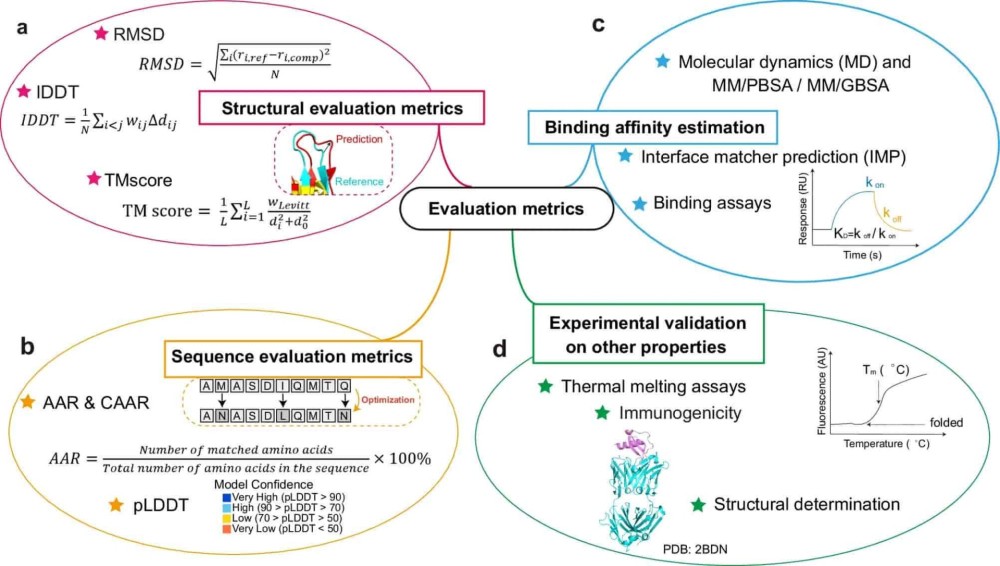
Developability assessment relies on a combination of experimental and computational tools. At the discovery stage, high-throughput assays are used to rapidly screen large numbers of candidates with minimal material requirements. Modern antibody developability prediction combines experimental assays with in silico analysis, machine learning, and in silico tool platforms to prioritize candidates with favorable physicochemical properties before laboratory testing.
Common analytical techniques include:
Size-exclusion chromatography for aggregation
Differential scanning calorimetry for thermal stability
Dynamic light scattering for particle size and self-association
Viscosity measurements for high-concentration behavior
In parallel, computational approaches are increasingly used to predict developability from sequence and structural features. These methods enable early identification of liabilities and guide rational engineering strategies.

Developability assessment is typically integrated into a screening funnel that progressively reduces candidate numbers. Initial screening focuses on basic properties such as expression, purity, and binding activity, followed by more detailed characterization of stability, aggregation, and specificity. Screening workflows integrate computational prediction with experimental validation to rank therapeutic antibodies, identify candidates with low aggregation propensity, and optimize antibody sequences before advancing antibody drug programs.
At early stages, rapid and high-throughput methods are prioritized to enable comparison of large antibody panels. Candidates with acceptable profiles are advanced to more comprehensive evaluation, including stress testing and formulation studies.
This staged approach allows efficient identification of lead candidates with balanced functional and developability characteristics.
When liabilities are identified, antibody engineering can be applied to improve developability without compromising function. Engineering efforts may include optimization of the light chain, reduction of undesirable post-translational modification sites, and refinement of physicochemical properties using machine learning-guided design to improve developability. Common strategies include:
Reducing hydrophobicity in exposed regions
Eliminating chemical liability motifs
Optimizing charge distribution
Modifying frameworks to enhance stability
Iterative optimization combining experimental screening and computational prediction is often required to achieve an optimal balance of properties.
Developability considerations are closely aligned with the capabilities offered by antibody CROs. Early-stage developability screening, sequence optimization, expression, and analytical characterization are critical services that support efficient candidate selection. These integrated capabilities help accelerate antibody discovery for therapeutic antibodies targeting cancer, infectious diseases, and autoimmune diseases, supporting the development of safer and more manufacturable biologics.
Integration of these capabilities enables identification and mitigation of developability risks early in the discovery process, reducing downstream costs and accelerating timelines. CRO platforms that combine high-throughput screening with advanced analytical and computational tools are well-positioned to support the development of robust antibody therapeutics.
Antibody Developability Assessment →
References:
Mieczkowski, C., Zhang, X., Lee, D., Nguyen, K., Lv, W., Wang, Y., … Gries, J. M. (2023). Blueprint for antibody biologics developability. mAbs, 15(1). https://doi.org/10.1080/19420862.2023.2185924
Bauer J, Rajagopal N, Gupta P, Gupta P, Nixon AE and Kumar S (2023) How can we discover developable antibody-based biotherapeutics?. Front. Mol. Biosci. 10:1221626. doi: 10.3389/fmolb.2023.1221626
Weijie Zhang, Hao Wang, Nan Feng, Yifeng Li, Jijie Gu, Zhuozhi Wang, Developability assessment at early-stage discovery to enable development of antibody-derived therapeutics, Antibody Therapeutics, Volume 6, Issue 1, January 2023, Pages 13–29, https://doi.org/10.1093/abt/tbac029
Amash, A., Volkers, G., Farber, P., Griffin, D., Davison, K. S., Goodman, A., … Jacobs, T. (2024). Developability considerations for bispecific and multispecific antibodies. mAbs, 16(1). https://doi.org/10.1080/19420862.2024.2394229
Biointron announces limited-time RushData launch pricing for high-throughput ant……
August 2026 brought another mix of acquisitions, licensing agreements, strategic……
Antibody discovery often begins with a highly diverse population of B cells, onl……
As larger candidate panels move from computational design into the laboratory, a……