

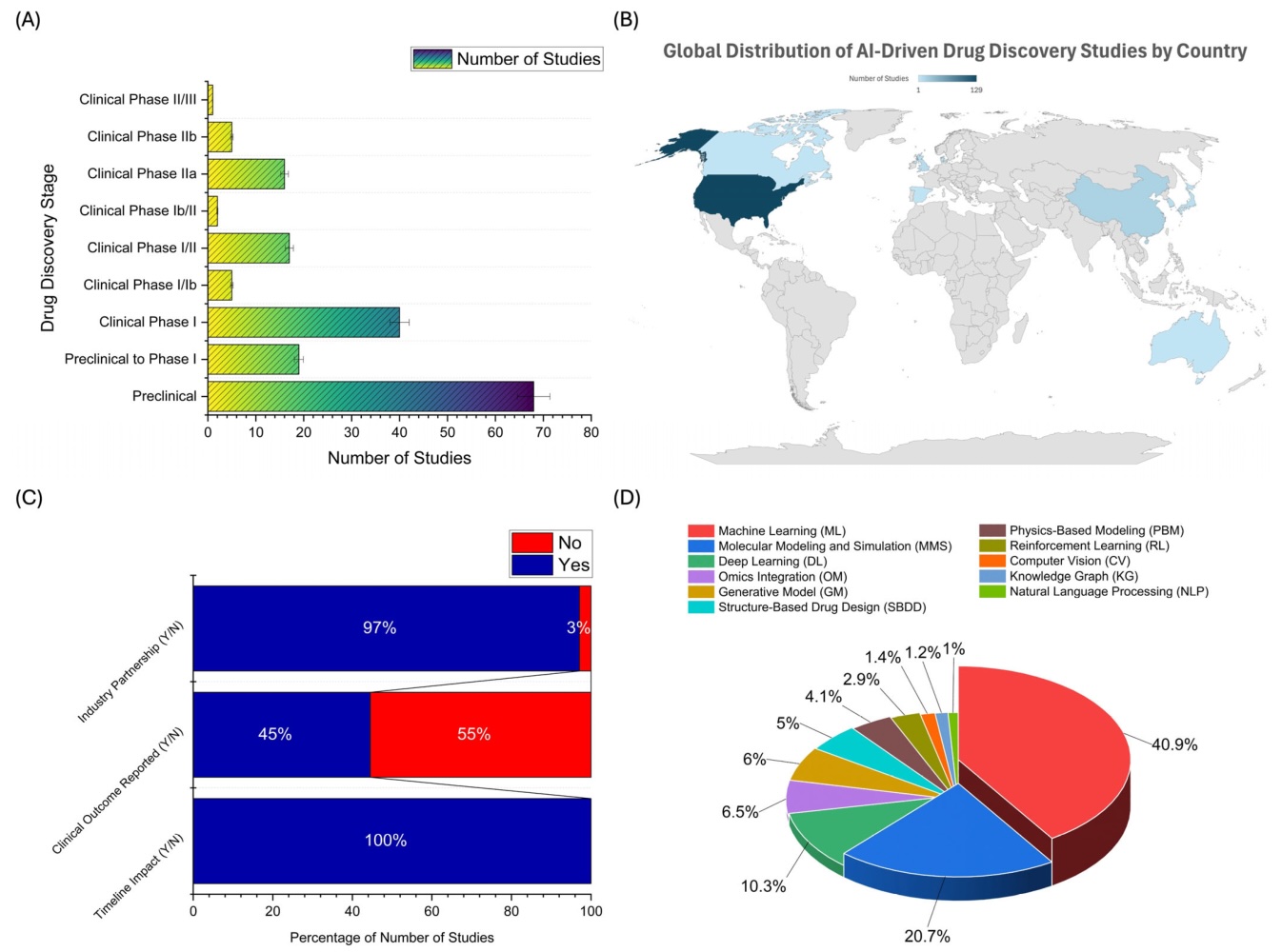




Artificial intelligence can now help researchers analyze antibody sequences, predict structures, prioritize mutations, optimize candidate properties, and generate entirely new antibody sequences. These capabilities are changing what can be proposed computationally, but every proposed sequence raises the practical question: will the antibody actually work?
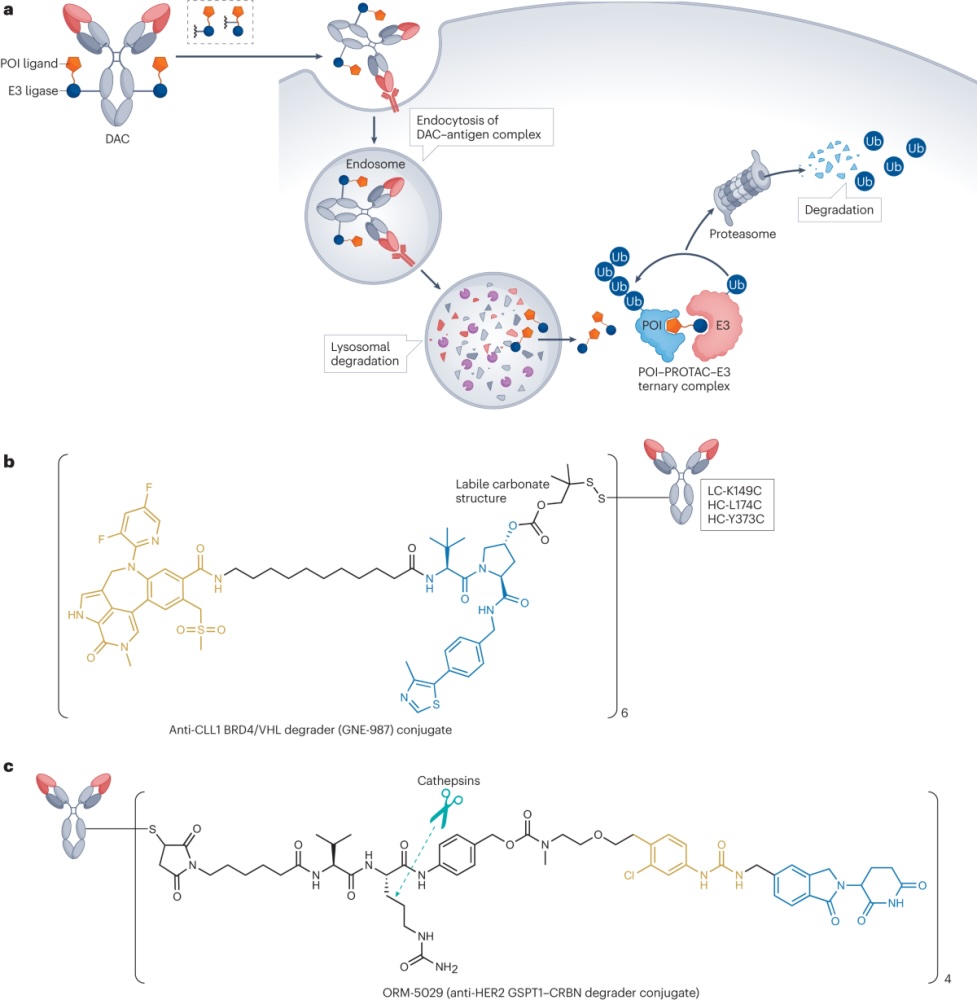
Degrader-antibody conjugates, or DACs, combine the targeting ability of antibodies with the intracellular activity of targeted protein degraders. Instead of delivering a conventional cytotoxic payload, they are designed to deliver a molecule that eliminates a specific disease-driving protein inside selected cells.
Bispecific antibody-drug conjugates, or BsADCs, combines the payload-delivery function of an ADC with the dual-recognition capacity of a bispecific antibody. Instead of binding one antigen or one epitope, the antibody component can be designed to recognize two different antigens, or two distinct epitopes on the same antigen. This added specificity may improve tumor selectivity, increase internalization, or broaden activity across heterogeneous tumors.
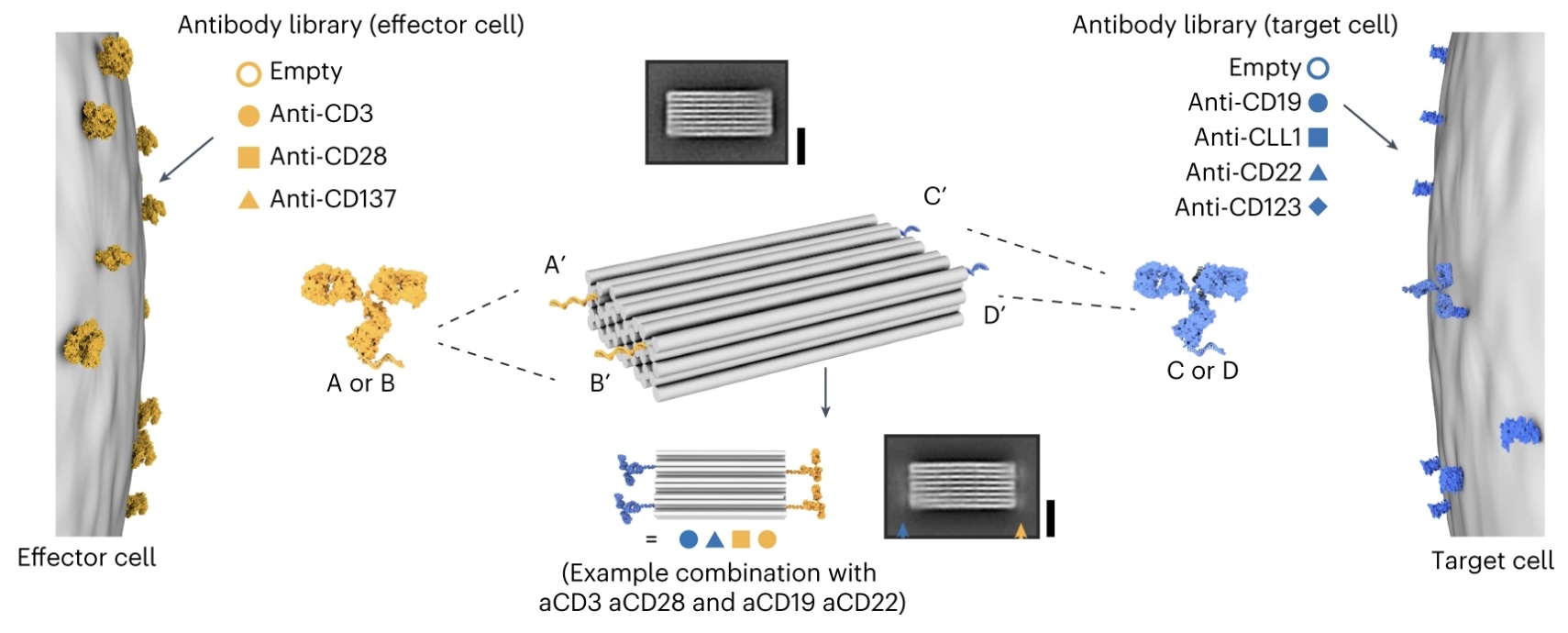
Programmable antibodies can describe several related approaches that make antibody-based systems more designable and controllable. A traditional antibody has two main functional parts: the Fab region, which recognizes a target antigen, and the Fc region, which interacts with immune receptors and helps determine downstream immune activity.
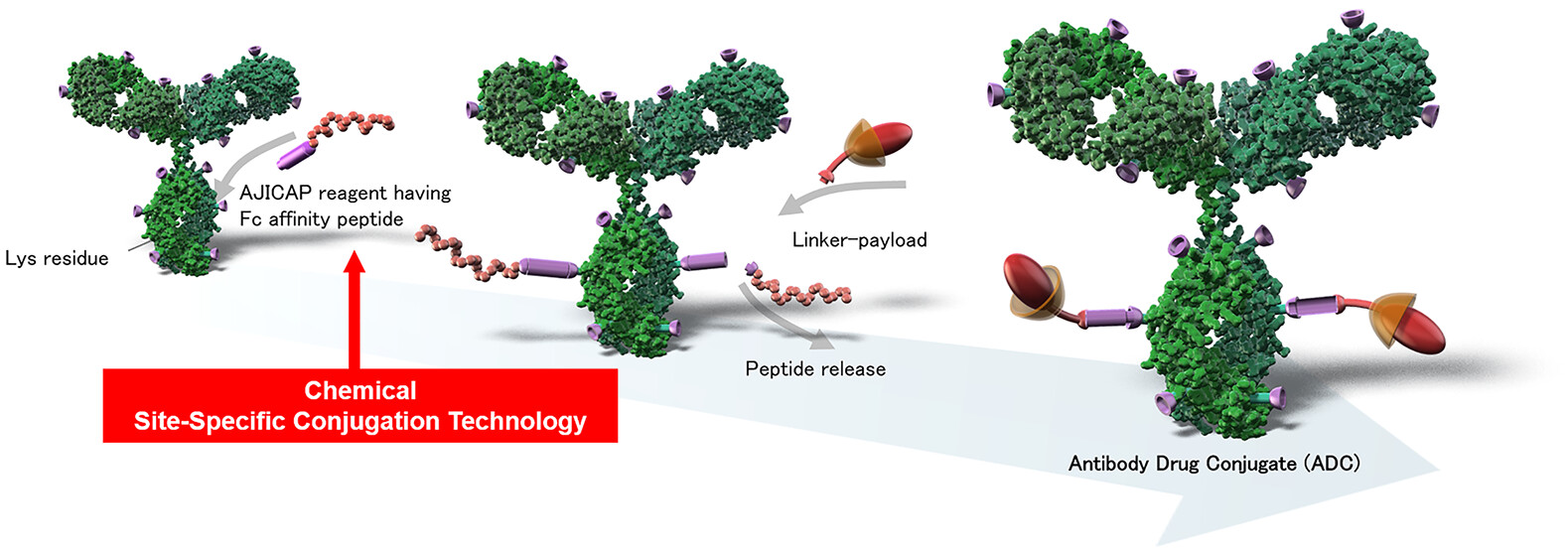
Chemical conjugation is the process of using defined chemical reactions to attach a “payload” to an antibody. That payload can be a cytotoxic drug, imaging agent, radionuclide chelator, oligonucleotide, peptide, protein, or even another antibody fragment. In antibody therapeutics, this matters bec
Antibody drugs, particularly monoclonal antibodies (IgGs), have transformed modern medicine, especially in areas like cancer and autoimmune disease. Now, however, VHH antibodies, also known as nanobodies are increasingly being recognized for their potential in biopharmaceutical applications due to their unique properties such as specificity, small molecule size, high affinity, good stability, flexible delivery routes, and fast tissue penetration.
Monoclonal antibodies (mAbs) have applications across oncology, autoimmune disease, infectious disease, and diagnostics. Historically, antibody development focused on binding specificity, which is the ability to recognize a defined antigen. Now, we have multidimensional characterization, where evaluation of structure, biological activity, immunogenicity, and functional outcomes is integrated.
A global resurgence of measles has been driven by declining vaccination coverage and gaps in herd immunity, renewing interest in antibody-based therapeutic strategies targeting measles virus (MeV). Recent studies demonstrate rapid advances in the identification, structural characterization, and functional evaluation of monoclonal antibodies (mAbs) directed against key viral glycoproteins.
Conditionally activatable antibodies are an emerging class of engineered biologics designed to improve the therapeutic index. The therapeutic index can be defined as the balance between efficacy and toxicity, by restricting antibody activity to disease sites.
Antibody research is increasingly supported by computational methods, such as structure prediction methods and molecular dynamics (MD) simulations, particularly to look at behavior over time under a defined set of simulation conditions. In recent literature, MD is being used less as a standalone technique and more as part of broader workflows that combine structure modeling, feature extraction, machine learning, and experimental characterization.
Multiple myeloma (MM) treatment is increasingly shaped by antibody-based approaches, with monoclonal antibodies being redesigned, and newer formats (bispecifics, trispecifics, ADCs), expanding what antibodies can actually do in patients.
Antibody discovery is driven by diverse methodologies, from throughput-driven sequence identification to integrated, quality-aware lead generation. Technologies such as antibody library display, single B-cell sequencing, and next-generation sequencing have enabled increasingly efficient identification of antigen-binding sequences.