


The 2026 ChAbS Annual Conference, “10 Years Together: Forging the Future of Antibody Therapeutics,” was held on May 9-10, 2026, in Cambridge, MA.
Antibody-drug conjugates are moving toward multi-payload and dual-conjugation designs to address resistance, tumor heterogeneity, linker stability, and therapeutic index.
Bispecific and biparatopic next-generation antibody engineering, with emphasis on manufacturability, chain pairing, epitope geometry, and receptor signaling control.
Antibody delivery for blood-brain barrier transport, organoid biology, synthetic neoantigens, and photomedicine.
Immunotoxicity and translational safety as issues for immune-stimulating antibody conjugates and other immune-activating modalities.
AI-enabled antibody design and large-scale manufacturing are now positioned as enabling infrastructure for antibody therapeutic discovery, optimization, and commercialization.
A strategy for linking targeted therapy to immunotherapy by using covalent KRAS inhibitors to generate synthetic neoantigens was discussed.
New developments in CTLA-4, PD-1, PD-L1, and LAG3-directed antibody therapies after a decade of slower improvement in first-generation immuno-oncology agents.
Immune-stimulating antibody conjugates are designed to deliver immune agonists into the tumor microenvironment. The key translational issue is balancing local immune activation with systemic inflammatory toxicity, on-target/off-tumor activation, and immunogenicity.
ADC High-throughput Antibody Conjugation →
Flexible dual-payload ADCs are being designed using site-specific conjugation, stable connectors, and hydrophilic payload-linkers. Other important methods include rational linker design, site-specific homogeneous conjugation, branched linkers, and tunable protease-cleavable mechanisms. The scientific focus was improving plasma stability while enabling selective payload release in tumors.
ADC DAR combinations such as 6+2 and 4+4 and was presented as a strategy to improve efficacy and therapeutic index.
Bispecific ADC programs can address tumor heterogeneity and improve targeting precision.
Epitope selection can govern whether biparatopic antibodies behave in trans-binding agonistic modes or cis-binding antagonistic mode.
Fully human single-domain antibodies as building blocks for IgG-format bispecific antibodies can reduce chain mispairing and heterogeneity while retaining natural antibody architecture and dual antigen binding.
Artificial intelligence may reshape antibody therapeutics by 2030, with participation from antibody design, pharmaceutical R&D, computational biology, and machine learning groups.
Photosensitizer-antibody conjugates and photo-caging strategies for spatial and temporal control could expand chemical diversity in antibody conjugates and reduce off-site toxicity through light- or radiation-controlled activation.
The blood-brain barrier can be crossed with antibody engineering for receptor-mediated transcytosis using transferrin receptor targeting.
Integrin agonists and antagonists may regulate organoid formation, with the goal of generating more tissue-like, vascularized, mixed-lineage organoids.
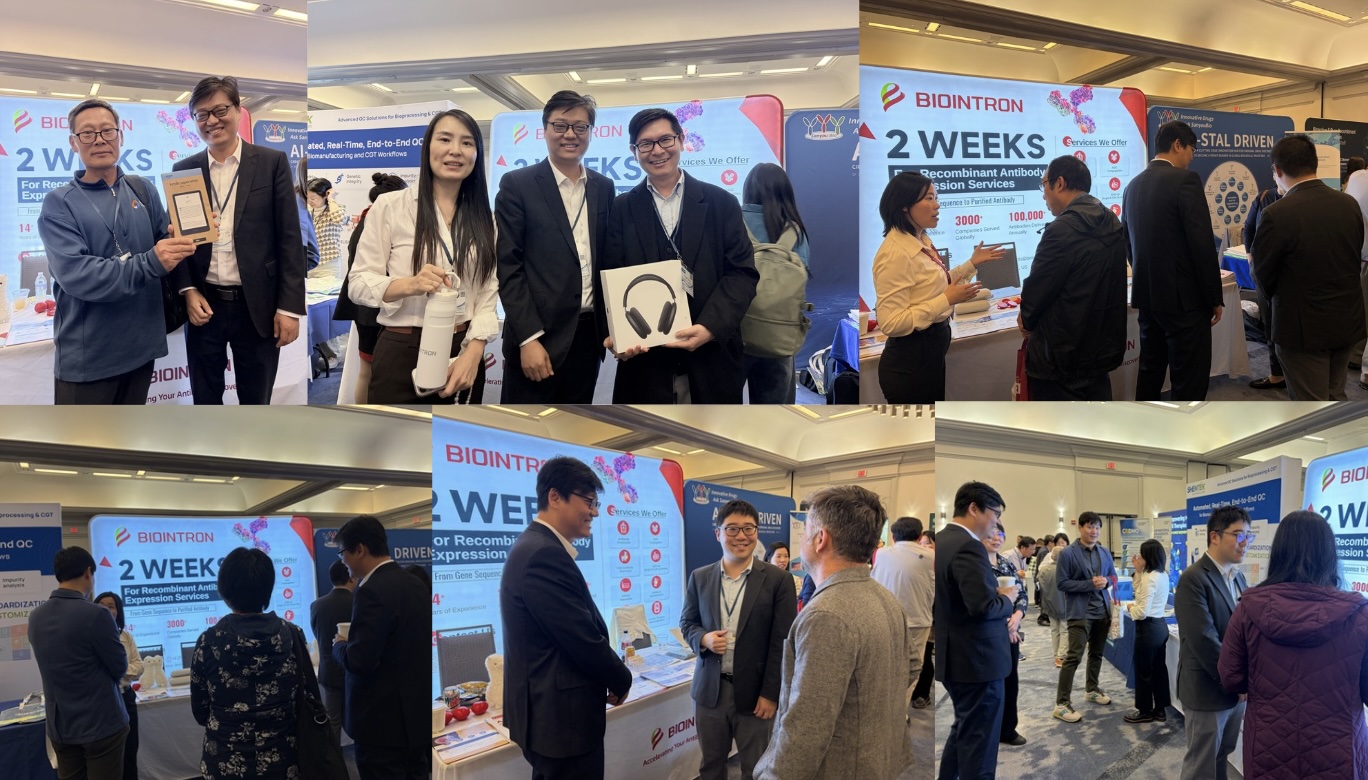
Thank you to everyone who visited our booth at the 2026 Annual Conference of the Chinese Antibody Society (ChAbS) to learn about our services! We had a fantastic time chatting with you and how it can help you achieve antibody development. Our expert team would be happy to answer any follow-up questions. Feel free to email us at info@biointron.com or visit our website at www.biointron.com.
Biointron announces limited-time RushData launch pricing for high-throughput ant……
August 2026 brought another mix of acquisitions, licensing agreements, strategic……
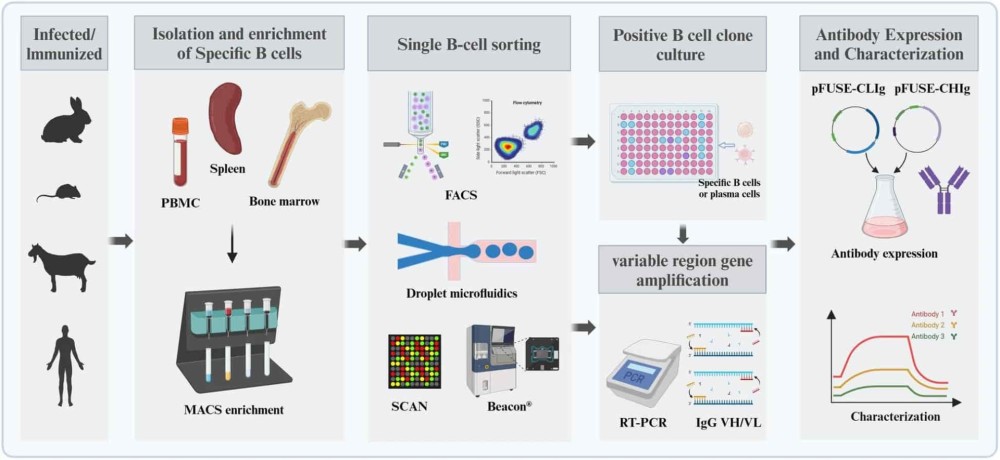
Antibody discovery often begins with a highly diverse population of B cells, onl……
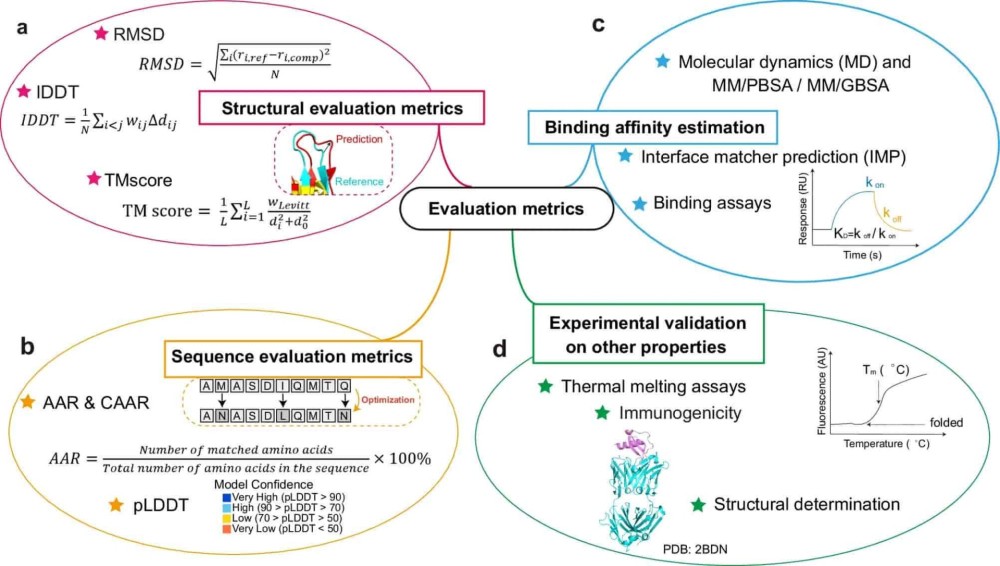
As larger candidate panels move from computational design into the laboratory, a……