


The 22nd Annual Discovery on Target 2024 was held in Boston, MA on September 30 to October 3, 2024. This four-day event involved discussion on popular topics like kinases, immunomodulation, and degraders, plus coverage of covalent chemistries and induced proximity, synthetic biology, cancer antibodies, generative AI, and translational models.
→ Biointron’s Highlighted Points:
1. Antibodies Against Membrane Protein Targets
Alphafold2Complex can predict if proteins interact and their quaternary structure. AF2Complex was applied to the antibody modulation of GPCR signaling associated with breast cancer cell migration, revealing antibodies that could inhibit this process (Georgia Institute of Technology)
Generation of antibody-drug conjugates (ADCs) directed against GPCR targets show promising efficacy in preclinical models of colorectal cancer (University of Texas Health Science Center at Houston)
Application of synthetic libraries against membrane targets for antibody generation using therapeutic-ready phage- and yeast-display platforms expressing a diversity of formats to pan against both cells and virus-like particles (Abbvie)
De novo design and engineering of novel GLP1R agonist miniprotein exhibit improved biased signaling with a strong emphasis on G protein-coupled signaling, while significantly reducing ß-arrestin signaling (AI Proteins)
2. AI/ML-Enabled Drug Discovery
Leveraging ML- and physics-based methods allows for reproducible and reliable design of developable agonist antibodies against any multimeric receptor complex (Diagonal Therapeutics)
A Specialized Platform for Innovative Research Exploration (ASPIRE): Lowering the barrier to drug development by applying automation, data analytics, and AI/Machine learning to chemistry and biology (NIH)
CACHE: a series of prospective computational hit-finding challenges, such as fragment-based and de novo generative design strategies (University of Toronto)
3. Cancer Antibodies
Optimizing delivery and half-life of single-domain antibodies (sdAbs) through rational swapping of surface-exposed cationic residues with anionic restudies, in combination with fusion to a homotrimeric peptide domain (University of Illinois)
Common mechanism revealed for structural basis of antibody conformation and stability modulation by framework somatic hypermutation (Columbia University)
Maleimides in site-specific antibody conjugations creating two carbon-carbon bonds using an enzyme and a 100-year-old reaction (Regeneron)
Rapid discovery of high-affinity antibodies via massively parallel sequencing, ribosome display, and affinity screening also generates data and refines algorithms and models (AstraZeneca)

Thank you for visiting us at our booth at Discovery on Target 2024 to learn about our services! We had a great time connecting with you and understanding how we can help you achieve antibody development. Our expert team would be happy to answer any follow-up questions. Feel free to email us at info@biointron.com!
Biointron announces limited-time RushData launch pricing for high-throughput ant……
August 2026 brought another mix of acquisitions, licensing agreements, strategic……
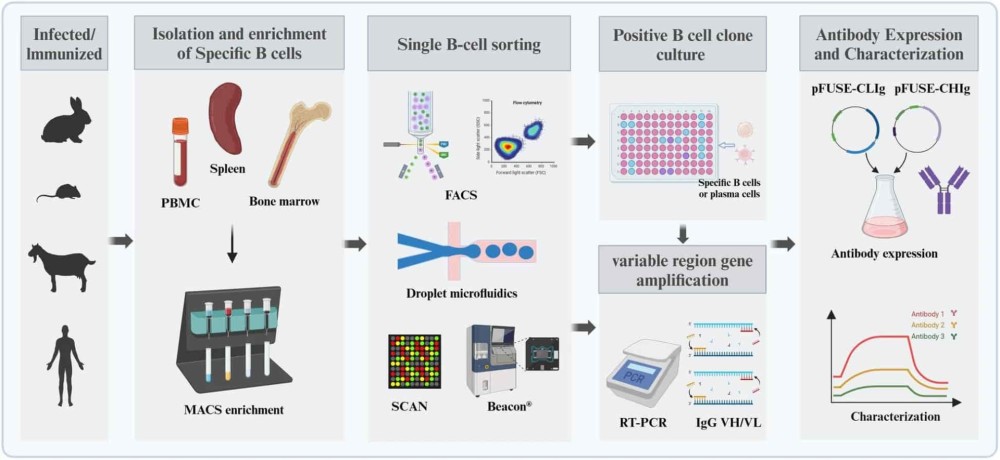
Antibody discovery often begins with a highly diverse population of B cells, onl……
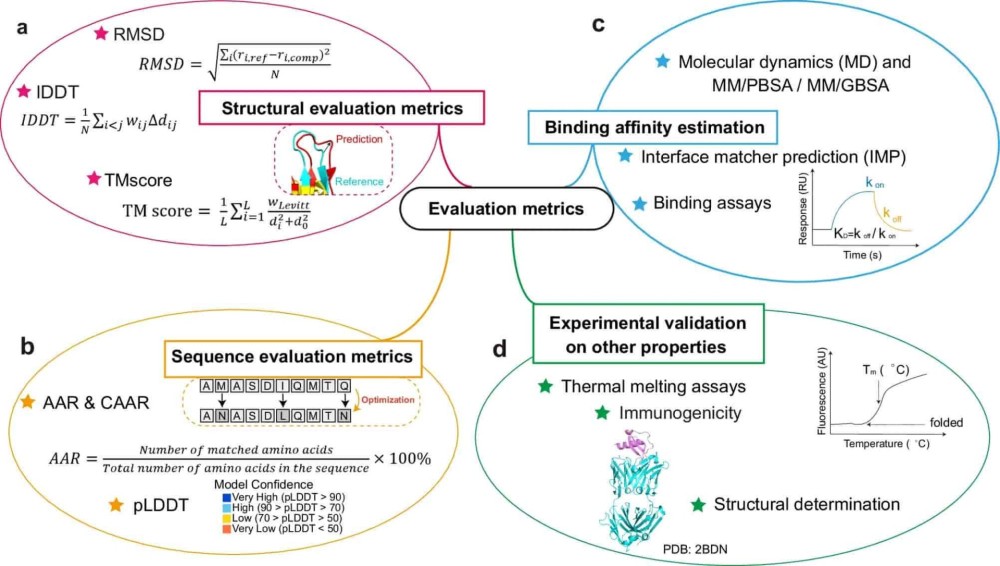
As larger candidate panels move from computational design into the laboratory, a……