


The 2025 Antibody Engineering & Therapeutics US (AET US) conference was held in San Diego on December 14-17, 2025. The event theme was "Accelerating Tomorrow's Antibody Therapeutics Today", and featured in-depth discussions on:
Novel antibody formats
Conditionally active modalities
Protein engineering strategies
AI-integrated discovery frameworks.
Monospecific antibodies remain the therapeutic backbone of many clinical programs, yet AET US 2025 showcased how bispecifics, trispecifics, and higher-order constructs are becoming central to immunotherapy and inflammation pipelines. These formats are increasingly designed to achieve multiple functions within a single molecule, such as:
Dual targeting of non-redundant receptors to prevent escape mechanisms
Simultaneous blockade of multiple cytokine axes to improve efficacy in inflammatory diseases
Combination of receptor activation and checkpoint inhibition in a single therapeutic
Trispecific antibody formats, in particular, are evolving with greater control over domain arrangement, chain pairing, and manufacturability, enabling their practical use in discovery campaigns. Importantly, many newer constructs emphasize modularity and plug-and-play configurations, allowing rapid adaptation to emerging disease targets.
Bispecific Antibody Expression →
There is growing emphasis on spatial and temporal control of antibody activity, especially in formats that recruit T cells or engage potent immune effectors. Several presentations highlighted conditionally active antibody modalities that remain inert in circulation and activate only within disease-associated environments. Design strategies included:
Protease-cleavable linkers that unmask binding domains in protease-rich tumor microenvironments
pH-sensitive binding domains that engage targets selectively under acidic conditions
Receptor-masked cytokines or effector payloads that become active only upon target co-localization
Such designs aim to widen the therapeutic window by limiting on-target off-tumor effects, particularly in solid tumor settings and autoimmune disease models. They also necessitate new strategies in assay development, since conventional in vitro formats may not capture context-dependent activity.
Antibody-based degradation strategies are gaining momentum as a distinct therapeutic class, particularly for modulating extracellular and membrane protein targets. Technologies in this category are designed to overcome the limitations of traditional inhibition by physically removing the target from the cell surface or extracellular space. Mechanisms discussed included:
Antibody-mediated recruitment of endogenous proteases to induce target shedding
Use of bifunctional constructs to tether ligases or endocytic machinery to target proteins
Fusion of antibodies to internalization-enhancing domains for targeted lysosomal degradation
These strategies offer potential advantages in targeting traditionally undruggable proteins, modulating receptor recycling, and delivering cytotoxic payloads through non-conventional entry routes. A key area of development is the integration of degradation with other therapeutic mechanisms, such as immune checkpoint blockade or antibody-drug conjugate (ADC) delivery.
ADC High-throughput Antibody Conjugation →
Antibody Fc engineering continues to evolve beyond basic effector function modulation. Several scientific sessions addressed how the Fc domain can be modified to enable:
Resistance to viral decoy receptors in infectious disease settings
Controlled complement activation through tuning of oligomerization interfaces
Site-specific conjugation via engineered glycosylation sites or metabolic labeling
Half-life extension while preserving effector independence
These advances not only affect therapeutic efficacy but also open opportunities for novel conjugation methods, improved biophysical properties, and enhanced manufacturability. As a result, Fc region design is increasingly treated as an active area of optimization during early-stage candidate selection.
Afucosylated Antibody Expression →
There is a clear shift toward incorporating machine learning (ML) and artificial intelligence (AI) into early antibody discovery and optimization. Rather than replacing experimental work, these tools are being used to guide key decision points such as:
Prediction of developability liabilities (e.g., self-association, aggregation, off-target binding)
In silico screening for sequence diversity and epitope coverage
Multi-objective optimization to balance affinity, specificity, and expression characteristics
Automated design of conditionally active or multispecific constructs
Some platforms are now capable of rapidly generating hundreds of candidate variants with optimized properties based on large-scale experimental feedback loops. As AI-native datasets become more structured and validated, their integration into antibody engineering workflows is expected to deepen.
Single-domain antibodies (sdAbs), including variable heavy chain domains (VH and VHH), are gaining expanded utility due to their small size, high solubility, and unique binding properties. Their applications are extending into areas such as:
Blood-brain barrier crossing via shuttle constructs
Oral delivery formulations that withstand proteolytic environments
Multivalent or bispecific configurations with favorable pharmacokinetics
Intracellular targeting in engineered cell therapies
Advances in humanization strategies and transgenic animal models producing fully human sdAbs are addressing previous concerns regarding immunogenicity and clinical translation. sdAb-based formats also offer logistical advantages in high-throughput screening and microbial expression systems, though therapeutic-grade production still often requires mammalian expression.
Antibody discovery workflows are rapidly evolving with the integration of platforms that can:
Screen large panels of candidate molecules based on multiple functional and biophysical attributes
Incorporate synthetic or transgenic animal libraries in single B-cell workflows
Enable combinatorial pairing of heavy and light chains at scale
Optimize codon usage and signal peptide selection for expression across systems
The emphasis is shifting from merely identifying binders to systematically rank-ordering candidates based on a holistic profile: affinity, specificity, developability, and manufacturability. This necessitates tighter integration between discovery teams and expression platforms to ensure continuity from hit to lead.
Tissue-specific targeting remains a major hurdle in the development of systemically administered antibodies. At AET US 2025, several strategies were discussed to improve tissue-selective biodistribution:
Use of antibody–peptide conjugates or bispecific designs to leverage receptor-mediated transport pathways
Engineering of binding kinetics to favor accumulation in diseased tissues without compromising target occupancy
Local activation via tissue-restricted enzymes or environmental cues
Rational Fc modifications to modulate distribution and clearance
Particular emphasis was placed on delivery to the central nervous system, gastrointestinal tract, and lymphoid tissues, each of which presents distinct physiological barriers.
The convergence of biologics and small-molecule strategies continues through the refinement of antibody-drug conjugates (ADCs) and related formats. Next-generation efforts focus on:
Dual-payload delivery for synergistic target engagement or resistance circumvention
Payloads that exploit unique cancer cell dependencies or metabolic vulnerabilities
Conditional payload release mechanisms for greater precision
Use of antibody-based degraders fused with cytotoxic domains for dual action
These integrated modalities reflect a trend toward therapeutic convergence, in which one molecule performs multiple functions (e.g., targeting, internalization, cytotoxicity, and immune modulation).
ADC High-throughput Antibody Conjugation →
Thank you to everyone who visited our booth at AET US 2025 to learn about our services! We had a fantastic time chatting with you and how it can help you achieve antibody development. Our expert team would be happy to answer any follow-up questions. Feel free to email us at info@biointron.com or visit our website at www.biointron.com.

Biointron announces limited-time RushData launch pricing for high-throughput ant……
August 2026 brought another mix of acquisitions, licensing agreements, strategic……
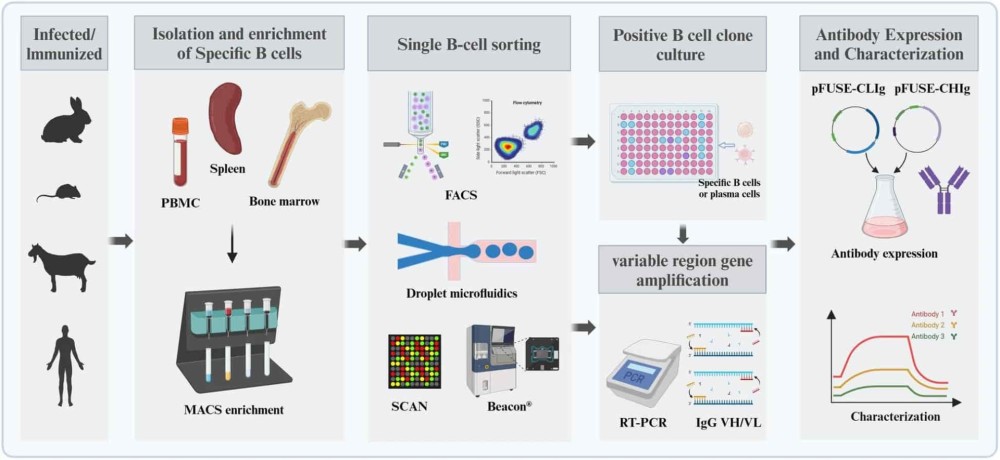
Antibody discovery often begins with a highly diverse population of B cells, onl……
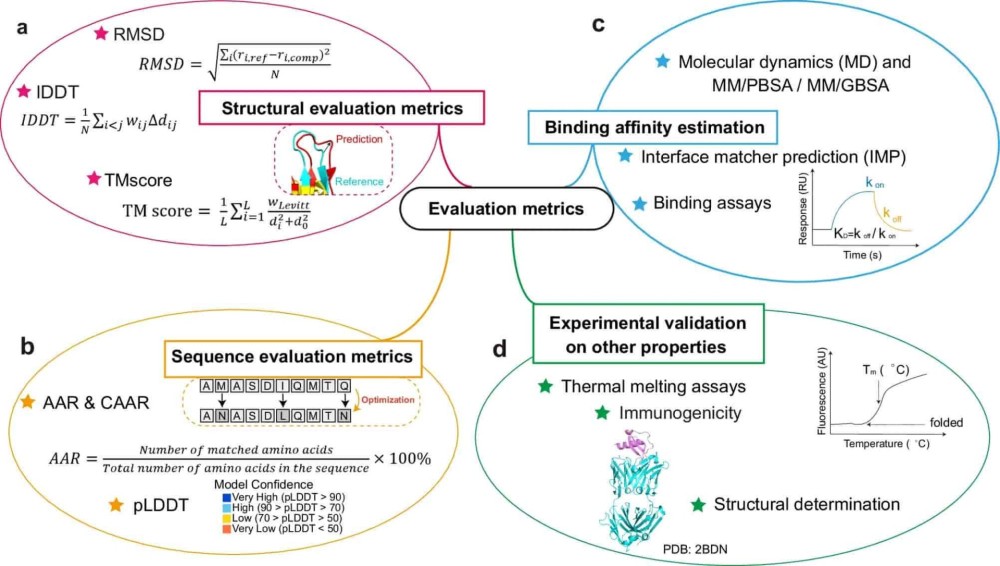
As larger candidate panels move from computational design into the laboratory, a……