



The antibody therapeutics landscape continues to evolve rapidly, with 2026 marking notable progress in clinical approvals, pipeline expansions, and novel engineering strategies. This year’s developments reflect the industry’s growing focus on bispecific antibodies, antibody-drug conjugates (ADCs), and next-generation immune-modulating biologics. As new candidates enter late-stage trials and regulatory review, the antibody sector remains a central pillar of biopharmaceutical innovation.

Veligrotug is an intravenously administered monoclonal antibody targeting the insulin-like growth factor-1 receptor (IGF-1R), developed for the treatment of thyroid eye disease (TED). By binding IGF-1R with high specificity, veligrotug blocks IGF-1 and IGF-2 signaling, which are implicated in the fibroblast activation and inflammatory cascade driving TED pathology. This mechanism reduces orbital tissue expansion, inflammation, and extraocular muscle involvement, addressing both proptosis and diplopia.
In clinical development, veligrotug has demonstrated a rapid onset of proptosis response and statistically significant improvement in diplopia across both active and chronic TED patient populations. The antibody was evaluated in two global phase 3 trials, THRIVE and THRIVE-2, which met all primary and secondary endpoints, including the first demonstration of diplopia resolution in a chronic TED population. Veligrotug is designed for a five-infusion regimen completed over 12 weeks.
Veligrotug received FDA Breakthrough Therapy Designation in May 2025 based on data from the THRIVE trials showing consistent resolution of diplopia and early proptosis improvement. The Biologics License Application (BLA) was accepted with Priority Review in December 2025, with a PDUFA action date set for June 30, 2026. A Marketing Authorization Application is planned for submission to the European Medicines Agency in the first quarter of 2026.

Bentracimab is a recombinant human monoclonal antibody fragment (Fab) that binds specifically to ticagrelor and its active metabolite, AR-C124910XX. By sequestering these compounds with high affinity, bentracimab prevents their interaction with the platelet P2Y12 receptor, thereby reversing ticagrelor’s antiplatelet effect and restoring ADP-mediated platelet activation.
The Fab is highly specific for ticagrelor and its metabolite, with no binding to endogenous nucleotides such as ADP or ATP, and no effect on other P2Y12 inhibitors like clopidogrel or prasugrel. Platelet function is typically restored within 5 to 10 minutes of intravenous infusion. Its short half-life allows for resumption of antiplatelet therapy once bleeding is controlled.
Bentracimab received Breakthrough Therapy Designation from the FDA in 2019. The Biologics License Application (BLA) was accepted for FDA priority review in August 2024, and Orphan Drug Designation was granted on March 18, 2025. Final data from the pivotal Phase 3 REVERSE-IT trial were presented on March 29, 2025. A regulatory decision was expected in the first quarter of 2025.

Apitegromab (SRK-015) is a fully human monoclonal antibody that targets the latent and promyostatin forms of myostatin, a negative regulator of skeletal muscle growth. By binding specifically to the inactive proforms of myostatin, apitegromab prevents tolloid-mediated activation and downstream signaling through the activin receptor type IIB (ActRIIB) on muscle fibers. This blockade limits the muscle-degenerative signaling typically associated with ActRIIB activation while preserving the activity of other closely related TGFβ superfamily ligands, improving target specificity and minimizing off-target effects.
This muscle-targeted mechanism is designed to enhance motor function in patients with spinal muscular atrophy (SMA), a genetic neuromuscular disease characterized by motor neuron degeneration and progressive muscle atrophy. Unlike previous approaches that targeted active myostatin or ActRIIB directly, apitegromab's selective binding to latent forms avoids non-specific inhibition of related growth factors, enabling a more focused intervention in muscle tissue.
Scholar Rock is preparing for the U.S. launch of apitegromab in 2026, following anticipated FDA approval of a resubmitted Biologics License Application (BLA). EMA review of the Marketing Authorization Application (MAA) is also underway, with a decision expected in mid-2026.

Gumokimab is a humanized monoclonal antibody targeting interleukin-17 (IL-17), a pro-inflammatory cytokine central to the pathogenesis of several autoimmune diseases, including psoriasis and ankylosing spondylitis. IL-17 is primarily secreted by activated Th17 cells and binds to the IL-17 receptor (IL-17R) on target cells, promoting inflammation through the induction of cytokines, chemokines, and other inflammatory mediators. Gumokimab binds specifically to IL-17, neutralizing its activity and thereby blocking the IL-17/IL-17R signaling axis to suppress downstream immune-inflammatory responses.
This selective inhibition of IL-17 prevents keratinocyte hyperproliferation and immune cell recruitment in psoriatic lesions, addressing the underlying pathology in moderate to severe plaque psoriasis. Similarly, in ankylosing spondylitis, IL-17 contributes to chronic inflammation and joint remodeling, processes that may be attenuated through IL-17 blockade. Gumokimab is designed to provide clinical benefit by targeting a validated inflammatory pathway with high specificity and sustained efficacy.
Two New Drug Applications (NDAs) for gumokimab in moderate to severe plaque psoriasis and for active ankylosing spondylitis were accepted by China’s National Medical Products Administration (NMPA) in January 2025 and January 2026, respectively.

Felzartamab is an investigational human monoclonal antibody targeting CD38, a transmembrane glycoprotein highly expressed on long-lived plasma cells. By binding to CD38, felzartamab mediates selective depletion of pathogenic plasma cells while sparing early B cell populations. This targeted depletion is of particular therapeutic interest in antibody-mediated diseases, where autoreactive plasma cells drive chronic inflammation, tissue damage, or immune complex deposition. Unlike traditional B cell–targeted therapies, felzartamab acts downstream in the humoral immune response, directly reducing the source of pathogenic antibodies. This mechanism supports its development across a range of indications, including oncology and autoimmune diseases
Originally developed by MorphoSys and now advanced by Biogen and TJ Biopharma, felzartamab is under regulatory review in China for multiple myeloma, with a BLA accepted by the NMPA in January 2025. In parallel, Biogen launched the global Phase 3 PROMINENT trial in June 2025 to evaluate its efficacy in primary membranous nephropathy, a rare autoimmune kidney disease. Felzartamab’s differentiated mechanism and safety profile support its development as a targeted plasma cell–depleting therapy for a broad range of immune-mediated diseases.

Mim8 (denecimig) is an investigational bispecific monoclonal antibody developed by Novo Nordisk for prophylactic treatment of hemophilia A. It functions as a Factor VIIIa (FVIIIa) mimetic by simultaneously binding Factor IXa and Factor X, facilitating their interaction and restoring thrombin generation in the absence of functional FVIII. This mechanism is designed to reduce the frequency of bleeding episodes in patients with congenital FVIII deficiency, including those with inhibitors.
Denecimig is administered subcutaneously and offers dosing flexibility with regimens of once weekly, every two weeks, or once monthly. This approach allows personalized prophylaxis and may improve adherence through reduced treatment burden. The BLA for Mim8 was submitted to the FDA in September 2025, supported by data from the FRONTIER clinical program. These trials evaluated safety and efficacy across age groups, disease severity, and inhibitor status. If approved, Mim8 will be the first FVIIIa mimetic available in a single-use, prefilled pen with multiple dosing options for both pediatric and adult patients with hemophilia A.

Pivekimab sunirine (PVEK) is an investigational antibody-drug conjugate (ADC) that targets CD123, a cell surface protein overexpressed in several hematologic malignancies, including blastic plasmacytoid dendritic cell neoplasm (BPDCN) and acute myeloid leukemia (AML). CD123, the alpha chain of the interleukin-3 receptor (IL-3Rα), is highly expressed on malignant plasmacytoid dendritic cells, making it a clinically relevant target in BPDCN.
PVEK consists of a humanized anti-CD123 monoclonal antibody linked to a potent DNA-alkylating payload. Upon binding to CD123-expressing cells, the ADC is internalized and releases its cytotoxic agent, leading to targeted cell death while sparing healthy tissues with low or absent CD123 expression. This targeted approach is designed to improve therapeutic outcomes while minimizing systemic toxicity.
AbbVie submitted a Biologics License Application (BLA) for PVEK to the FDA in September 2025 based on data from the global Phase 1/2 CADENZA trial. The study evaluated PVEK as monotherapy in patients with BPDCN, an aggressive hematologic malignancy with limited treatment options and poor prognosis. The compound also holds Breakthrough Therapy designation from the FDA, granted in October 2020 for relapsed or refractory BPDCN.

Imsidolimab is a fully humanized IgG4 monoclonal antibody that functions as an IL-36 receptor antagonist. It is being developed for the treatment of generalized pustular psoriasis (GPP), a rare autoinflammatory skin disease characterized by widespread neutrophilic pustules, erythema, and systemic symptoms. Imsidolimab inhibits signaling through the IL-36 receptor, a key inflammatory pathway activated in GPP, particularly in patients with loss-of-function mutations in the IL36RN gene that encodes the endogenous IL-36 receptor antagonist.
By blocking IL-36 signaling, imsidolimab addresses the pathogenic cytokine cascade that drives neutrophil recruitment, epidermal hyperplasia, and systemic inflammation in GPP. The mechanism is designed to restore immune balance and rapidly resolve acute pustular flares, offering a targeted approach for a condition with limited approved therapies.
Vanda Pharmaceuticals submitted a Biologics License Application (BLA) to the FDA in December 2025, supported by results from the GEMINI-1 and GEMINI-2 trials. MAA submission for H2 2025. Vanda has requested priority review, with potential FDA approval anticipated as early as mid-2026.

Atacicept is an investigational recombinant fusion protein designed to inhibit the B-cell survival cytokines BAFF (B-cell activating factor) and APRIL (a proliferation-inducing ligand), which are implicated in the pathogenesis of autoimmune kidney diseases. Atacicept consists of the extracellular domain of the TACI (transmembrane activator and calcium-modulating cyclophilin ligand interactor) receptor fused to the Fc portion of human IgG. By blocking BAFF and APRIL, atacicept reduces the survival of autoreactive B cells and the production of pathogenic antibodies, including galactose-deficient IgA1, a key driver of IgA nephropathy (IgAN).
IgAN is a progressive autoimmune glomerular disease, often leading to kidney failure. In November 2025, Vera Therapeutics submitted a Biologics License Application (BLA) to the FDA for atacicept under the Accelerated Approval Program, supported by the ORIGIN Phase 3 trial. At week 36, atacicept achieved a 46% mean reduction in proteinuria from baseline and a 42% reduction compared to placebo (p<0.0001), with a safety profile comparable to placebo. Atacicept has received FDA Breakthrough Therapy Designation for IgAN and is self-administered as a once-weekly subcutaneous injection.

Roconkibart (JS005) is a recombinant humanized monoclonal antibody that selectively targets interleukin-17A (IL-17A), a cytokine central to the pathogenesis of several autoimmune diseases, including plaque psoriasis. IL-17A, primarily secreted by Th17 cells, binds to the IL-17RA/RC receptor complex, initiating proinflammatory signaling that drives keratinocyte activation, neutrophil recruitment, and cytokine production. Roconkibart binds IL-17A with high affinity, preventing its interaction with the receptor and thereby interrupting the inflammatory cascade in psoriatic skin.
Junshi Biosciences is developing roconkibart for the treatment of moderate to severe plaque psoriasis and other IL-17A–driven conditions such as ankylosing spondylitis. In December 2025, China’s National Medical Products Administration (NMPA) accepted the New Drug Application (NDA) for roconkibart for adult patients with plaque psoriasis. The NDA is supported by a pivotal Phase 3 trial (JS005-005-III-PsO) conducted at 60 sites across China with 747 patients. The trial demonstrated rapid and sustained improvements in Psoriasis Area and Severity Index (PASI) scores and Physician Global Assessment (sPGA), with a favorable safety profile maintained through 52 weeks.
Biointron announces limited-time RushData launch pricing for high-throughput ant……
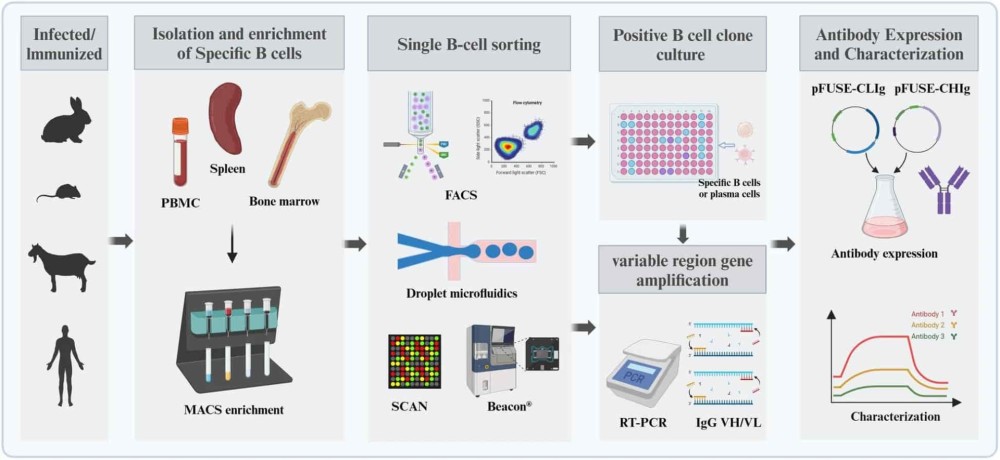
Antibody discovery often begins with a highly diverse population of B cells, onl……
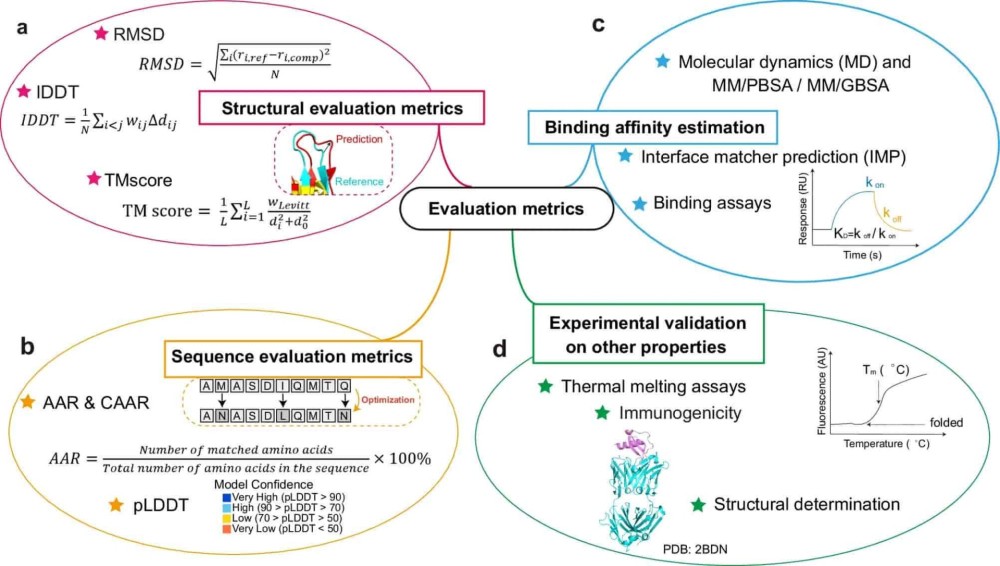
As larger candidate panels move from computational design into the laboratory, a……
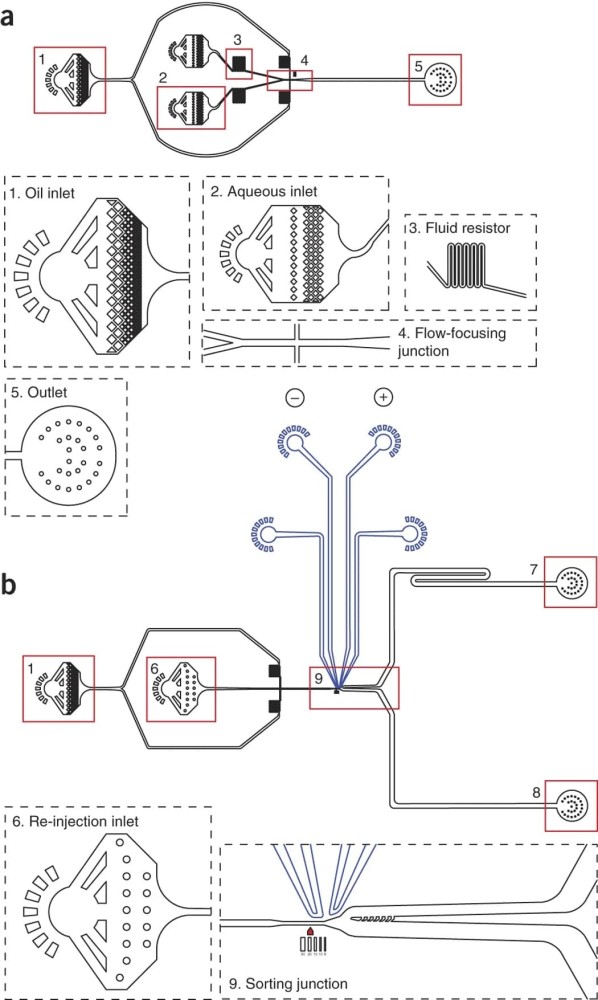
The idea of single-cell technology is to examine B cells individually. Droplet ……