



Antibodies, also known as immunoglobulins (Ig), are Y-shaped glycoproteins produced by B-cells in jawed vertebrates. They play a key role in immune defense by recognizing and binding specific antigens. Each antibody consists of two heavy chains and two light chains, which together form the fundamental structure of the molecule.
The most common antibody isotype in circulation, IgG, can be enzymatically cleaved into functionally distinct regions:
Fab (Fragment antigen-binding) regions – Contain variable domains (VH and VL) responsible for antigen recognition
Fc (Fragment crystallizable) region – Interacts with immune effector molecules and cellular receptors, influencing immune responses
The variable regions of the Fab fragments determine the antibody’s specificity by binding to epitopes on antigens. These regions undergo genetic recombination and somatic hypermutation, allowing for the vast diversity required to recognize a wide range of pathogens.
Related: What is Antibody Fragmentation?
Antibody binding specificity is primarily determined by six hypervariable loops, known as complementarity-determining regions (CDRs), located in the variable domains of the Fab fragments. The three CDRs from the heavy chain (CDRH1, CDRH2, and CDRH3) and the three from the light chain (CDRL1, CDRL2, and CDRL3) form the paratope, the part of the antibody that interacts directly with the antigen’s epitope.
While most CDRs adopt a set of conformations, the CDRH3 loop exhibits the greatest sequence and structural diversity. This flexibility plays a crucial role in antigen recognition and is often the focus of antibody engineering efforts to enhance binding affinity and specificity.
Antibody-producing B-cells refine antigen affinity through affinity maturation, a process driven by somatic hypermutation in the CDR regions. This mechanism allows for the selection of high-affinity antibodies over time, which is critical in both natural immunity and therapeutic antibody development.
Related: Engineering CDR Loops for High-Affinity Therapeutic Antibodies
Despite their high specificity, conventional monoclonal antibodies (mAbs) face limitations such as large molecular size (~150 kDa), which restricts tissue penetration and bioavailability. To address these challenges, various engineered antibody formats have been developed:
Single-chain variable fragments (scFvs) – These consist of linked VH and VL domains and serve as building blocks for modular antibody formats such as diabodies and minibodies.
Bispecific and trispecific antibodies – These molecules can simultaneously bind multiple antigens, enhancing therapeutic efficacy, particularly in cancer immunotherapy.
VHH antibodies – Derived from camelids and sharks, these single-domain antibodies lack a light chain but retain high binding affinity and improved stability. Nanobodies are smaller (~15 kDa), allowing for better tissue penetration and reduced immunogenicity.
The first VHH antibody therapeutic, caplacizumab, was approved in 2018, highlighting the growing interest in alternative antibody formats for clinical applications. As antibody engineering advances, these novel formats continue to expand therapeutic possibilities in oncology, infectious diseases, and autoimmune disorders.
Related: VHH Antibody Discovery
At Biointron, we are dedicated to accelerating antibody discovery, optimization, and production. Our team of experts can provide customized solutions that meet your specific research needs, including VHH Antibody Discovery. Contact us to learn more about our services and how we can help accelerate your research and drug development projects.
References:
Norman, R. A., Ambrosetti, F., Bonvin, A. M., Colwell, L. J., Kelm, S., Kumar, S., & Krawczyk, K. (2020). Computational approaches to therapeutic antibody design: Established methods and emerging trends. Briefings in Bioinformatics, 21(5), 1549-1567. https://doi.org/10.1093/bib/bbz095
Biointron announces limited-time RushData launch pricing for high-throughput ant……
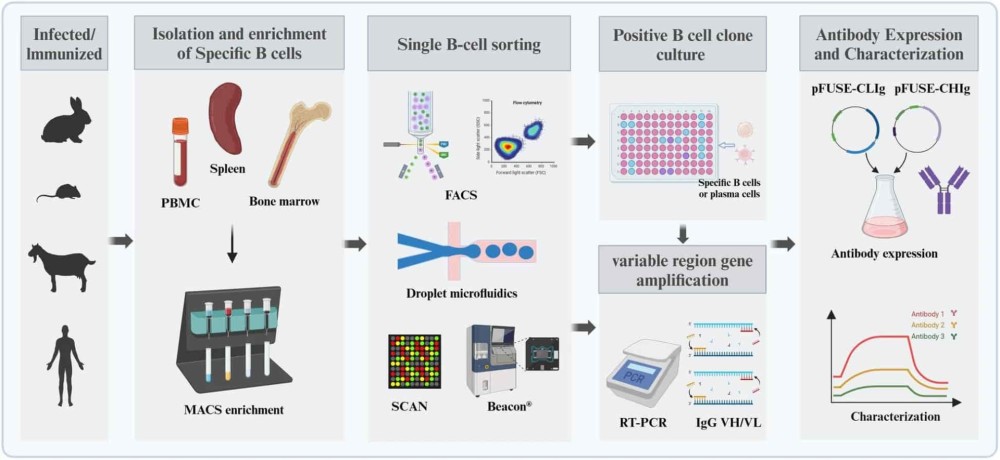
Antibody discovery often begins with a highly diverse population of B cells, onl……
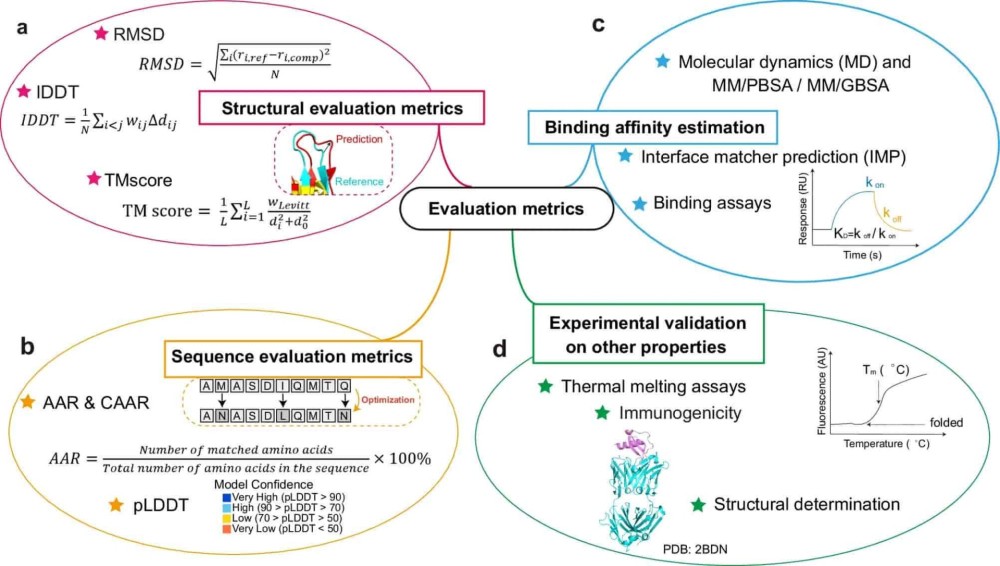
As larger candidate panels move from computational design into the laboratory, a……
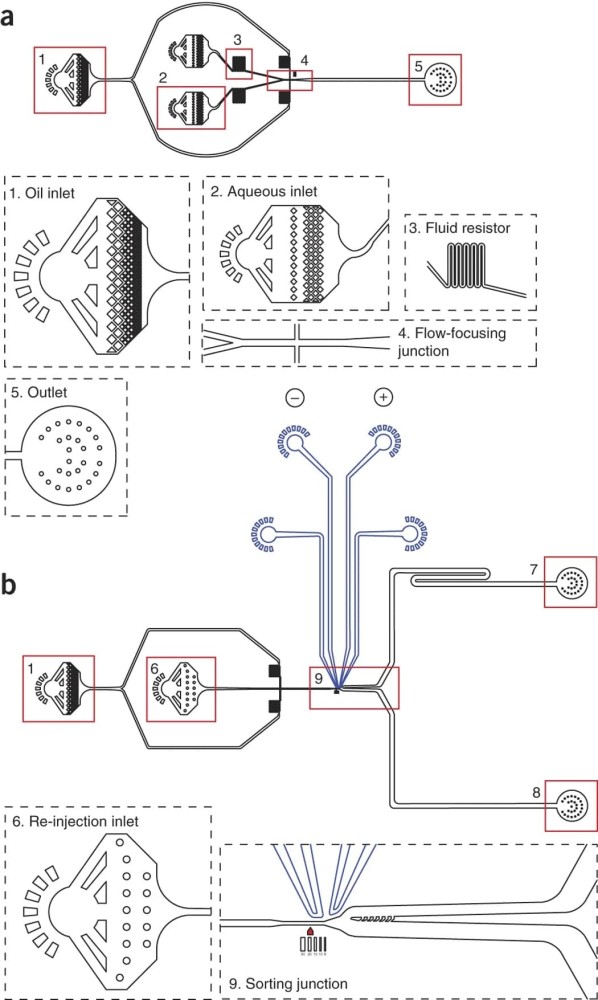
The idea of single-cell technology is to examine B cells individually. Droplet ……