


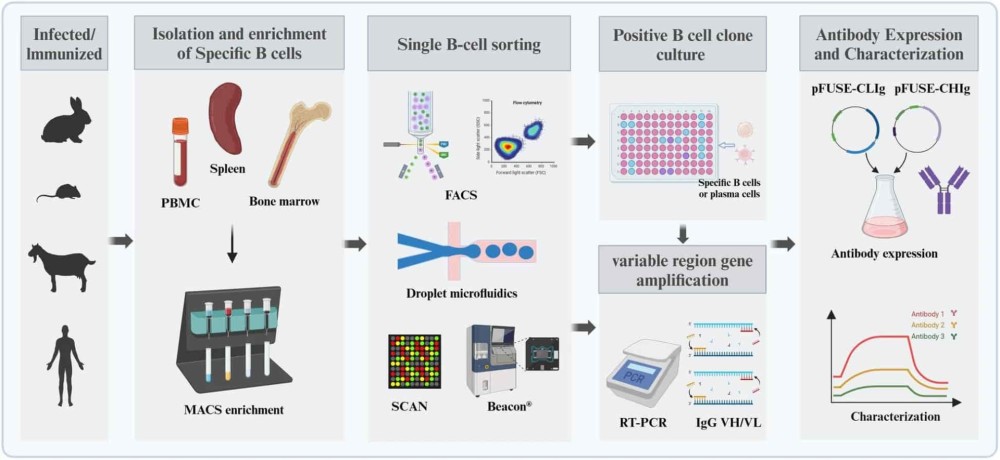
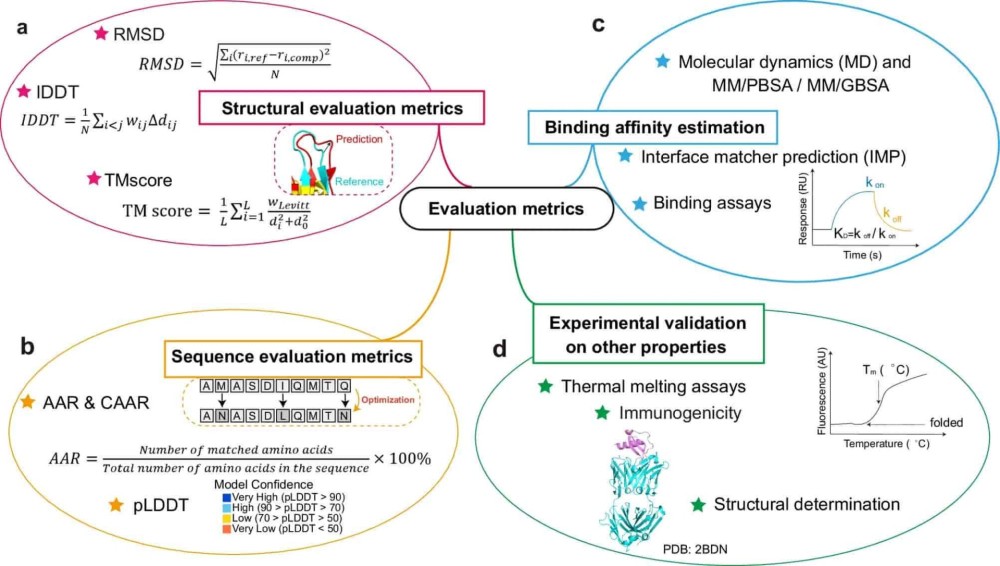


VHH antibodies, derived from camelid single-domain antibodies, have a small size, high stability, and high binding affinity, making them ideal candidates for a wide range of therapeutic and diagnostic applications. From advancing cancer immunotherapies to combating infectious diseases and autoimmune disorders, VHH antibodies are reshaping traditional approaches and driving innovation across the life sciences.
VHH antibodies have a small size, high stability, and high binding affinity, making them attractive candidates for a wide range of therapeutic and diagnostic applications. Their small size allows improved tissue penetration, including better diffusion into dense tumor tissue and potential access across biological barriers. Their monomeric, single-domain design also makes them easier to genetically engineer than full-length antibodies.
For readers new to antibody terminology, an epitope is the specific part of a target molecule, such as a protein, that an antibody recognizes and binds. A cryptic epitope is an epitope that is hidden or difficult for larger antibodies to access. VHH antibodies can sometimes bind these hard-to-reach three-dimensional surfaces because of their compact structure and extended complementarity-determining region 3, or CDR3. The CDRs are the antibody regions that make direct contact with antigen and largely determine binding specificity.
VHH antibodies are also notable for their solubility and stability. These properties support applications where conventional antibodies may be more difficult to formulate, including inhalable, intranasal, oral, or high-concentration formats. Their simple structure can also support recombinant production in microbial, yeast, or mammalian systems, depending on the intended research or therapeutic use.
VHH antibodies can be optimized through several engineering strategies. Affinity maturation introduces mutations, often in the CDR regions, to improve binding strength. Humanization modifies camelid-derived framework regions so the VHH more closely resembles human antibody sequences, with the goal of reducing potential immunogenicity. Immunogenicity means the likelihood that a therapeutic molecule will trigger an unwanted immune response.
VHHs can also be engineered into multivalent or multispecific formats. Multivalent constructs contain multiple binding domains, which can increase avidity, or the combined binding strength of multiple interactions. Bispecific or trispecific constructs can bind two or three different targets, enabling applications such as immune cell recruitment, dual antigen targeting, or improved tumor selectivity.
Other common strategies include Fc fusion and albumin-binding domains for half-life extension. A half-life is the amount of time a therapeutic remains in circulation before its concentration is reduced by half. Because small VHHs are cleared rapidly through the kidneys, half-life extension is often important for systemic therapeutic applications.
VHHs can also be conjugated to payloads such as toxins, radionuclides, nanoparticles, cytokines, or small-molecule drugs. These formats support targeted delivery, molecular imaging, and therapeutic approaches such as VHH-drug conjugates, immunotoxins, and radio-immunoconjugates.
VHH antibodies have wide-ranging applications in cancer therapy. These antibodies have been engineered into various therapeutic formats, including VHH-based chimeric antigen receptors, bispecific killer cell engagers, antibody-drug conjugates, immunotoxins, and imaging agents.
Immune checkpoint inhibitors using VHH antibodies have gained traction as targeted therapies for solid tumors. Immune checkpoints are regulatory pathways, such as PD-1/PD-L1 or CTLA-4, that normally help prevent excessive immune activation. Tumors can exploit these pathways to suppress T-cell activity and evade immune attack.
VHH antibodies targeting immune checkpoint proteins, such as PD-1 and PD-L1, can help restore T-cell responses in resistant tumors. Envafolimab, a humanized single-domain PD-L1 antibody fused with an IgG1 Fc fragment, exemplifies this approach. Its small size and solubility support subcutaneous administration, and clinical development has evaluated its use in solid tumors and MSI-H/dMMR cancers.
However, limitations of current PD-1/PD-L1 therapies, such as poor T-cell infiltration in the tumor microenvironment, have driven the development of bispecific T-cell engagers. VHH-based bispecific T-cell engagers targeting PD-L1 and CD3 are designed to redirect cytotoxic T cells to tumor sites, increasing intratumoral immune cell levels and improving antitumor activity in preclinical models.
VHH antibodies can also be used to target tumor-associated antigens such as EGFR, HER2, MUC1, CD38, and CD19. A tumor-associated antigen is a molecule that is found at higher levels on tumor cells than on most normal cells, although it may still be present in healthy tissue. This creates both an opportunity and a risk: the antibody can guide therapy to cancer cells, but some targets can also cause on-target, off-tumor toxicity if they are expressed on normal cells.
The epidermal growth factor receptor, or EGFR, plays a critical role in malignant tumor development, but its targeting poses challenges because EGFR is also expressed in normal tissues. VHH antibodies have been adapted to address these limitations through multivalent and biparatopic designs. A biparatopic antibody binds two different epitopes on the same target, which can improve receptor clustering, internalization, or downregulation.
A tetravalent biparatopic VHH-drug conjugate targeting EGFR demonstrated potent antitumor activity by downregulating EGFR expression. By binding multiple EGFR epitopes, these conjugates can synergistically reduce receptor activation and drive therapeutic efficacy. Another strategy involves combining VHH antibodies targeting EGFR with NK-cell-mediated lysis, achieving enhanced cytotoxicity in colorectal cancer models.
HER2-specific VHH conjugates have also been explored in breast cancer models, while VHHs targeting MUC1 have been reported to sensitize breast cancer cells to drug therapy. These examples position VHH antibodies as versatile tools for tumor antigen targeting and for overcoming resistance in solid tumor therapies.
VHH antibodies have proven useful in CAR-T and CAR-NK applications. CAR-T cells are T cells engineered to express a chimeric antigen receptor that redirects them toward a specific cancer target. CAR-NK cells use natural killer cells instead of T cells and are being explored as potentially safer or more scalable cellular immunotherapy formats.
VHH-based CAR-T cells have demonstrated comparable efficacy to scFv-based CARs while offering enhanced stability, solubility, and engineering flexibility. Examples include CD19-targeted CAR-T cells for leukemia, CD38-specific VHH-CARs for multiple myeloma cell elimination, and HER2- or EGFR-directed CAR formats for solid tumor models.
VHH-based bispecific killer cell engagers, or BiKEs, can also recruit natural killer cells to tumor targets. These formats have been investigated for multiple myeloma, where VHH-based BiKEs promote NK cell-mediated tumor cell killing. The same modular logic can support trispecific killer cell engagers, or TriKEs, although specific target combinations should be discussed only when supported by a source.
VHH antibodies can be linked to therapeutic payloads to create targeted drug delivery systems. Antibody-drug conjugates, or ADCs, are antibodies attached to cytotoxic drugs through chemical linkers. VHH-drug conjugates function similarly but use the smaller VHH scaffold, which may improve tumor penetration and support rapid tissue distribution.
Payloaded VHH strategies include VHH-drug conjugates, immunotoxins, radionuclide conjugates, and nanoparticle-based delivery systems. For example, VHH-based immunotoxins targeting EGFR have shown promise in solid tumor models. An EGFR-targeting VHH fused with the fungal ribotoxin α-sarcin achieved strong tumor cell killing in preclinical models.
For VHH-based conjugates, design considerations include target internalization, linker stability, payload potency, conjugation site, and preservation of binding after conjugation.
VHH antibodies are also useful for cancer imaging. Theranostics combines therapy and diagnostics, often by using a targeting molecule to both visualize disease and deliver treatment. Because VHHs are small and clear rapidly from circulation, labeled VHH tracers can generate high-contrast images shortly after administration.
VHH-based PET and SPECT imaging agents have been developed for targets such as HER2 and PD-L1. PET, or positron emission tomography, and SPECT, or single-photon emission computed tomography, are imaging methods that use radiolabeled molecules to visualize biological targets inside the body. VHH tracers can support real-time target visualization, patient selection, response monitoring, and potentially surgical guidance when adapted to fluorescent formats.
VHH antibodies have emerged as potent agents against infectious diseases, particularly viral pathogens such as SARS-CoV-2. Their mechanisms can include blocking receptor-binding domain interactions, preventing viral entry, and neutralizing viral strains.
SARS-CoV-2 VHH antibodies have been developed to target the viral spike protein, especially the receptor-binding domain, or RBD. The RBD is the part of the spike protein that binds the host cell receptor and enables viral entry. By blocking this interaction, VHH antibodies can neutralize the virus. Intranasal administration means delivery through the nose, which can be useful for respiratory pathogens because it places the therapeutic closer to the site of infection.
Beyond SARS-CoV-2, engineered VHH antibodies targeting respiratory syncytial virus, or RSV, have shown therapeutic potential. ALX-0171, an RSV-specific VHH antibody, is an important development example for inhaled or localized respiratory delivery.
In bacterial infections, VHH antibodies have been developed to neutralize toxins. Toxins are harmful molecules produced by some pathogens, and toxin neutralization can reduce disease severity without necessarily killing the organism directly.
Anti-Clostridium difficile VHH antibodies have been developed for targeted toxin neutralization, showcasing their utility in combating gastrointestinal pathogens. C. difficile is a bacterium associated with severe diarrhea and colitis, particularly after antibiotic treatment. VHH stability may also support oral or localized gastrointestinal delivery concepts, although formulation and clinical feasibility depend on the specific VHH and disease context.
VHH antibodies are well suited to delivery routes that can be challenging for conventional antibodies. Their stability supports exploration of inhaled, intranasal, mucosal, and localized administration. These approaches are especially relevant for respiratory viruses and gastrointestinal pathogens, where local delivery may increase exposure at the site of disease while reducing systemic exposure.
Caplacizumab is the clearest clinical proof of concept for VHH-based therapeutics. It targets von Willebrand factor, or vWF, and is used for acquired thrombotic thrombocytopenic purpura, also called aTTP. vWF is a blood protein involved in platelet adhesion and clot formation. In aTTP, abnormal clotting can block small blood vessels, and targeting vWF can help interrupt this process.
The approval of caplacizumab demonstrated that VHH-based therapeutics can move beyond research tools into clinical medicine. It also established a foundation for additional VHH-based drugs in autoimmune, hematology, oncology, and infectious disease applications.
VHH antibodies are also being investigated for inflammatory and autoimmune diseases. Cytokines are signaling proteins used by immune cells to communicate. In diseases such as rheumatoid arthritis or psoriasis, cytokine pathways can become overactive and drive chronic inflammation.
Examples include trivalent VHH antibodies such as ozoralizumab, which targets TNF-α in rheumatoid arthritis. TNF-α is a major inflammatory cytokine and an established target in autoimmune disease therapy.
Multivalent VHH formats can be useful in cytokine blockade because they may improve avidity, tune pharmacokinetics, or enable simultaneous pathway targeting. However, the therapeutic design must balance potency, safety, immunogenicity, tissue distribution, and dose interval.
VHH antibodies offer potential for central nervous system applications, particularly when engineered for blood-brain barrier transport. The blood-brain barrier, or BBB, is a tightly regulated barrier that protects the brain by limiting which molecules can pass from the bloodstream into the central nervous system. This is useful biologically but creates a major challenge for drug delivery.
One strategy is receptor-mediated transcytosis. In simple terms, this uses natural transport systems on BBB cells to move a therapeutic from the blood side to the brain side. Anti-transferrin receptor VHHs and other receptor-targeting VHHs have been explored as BBB transport modules.
Albumin-binding VHHs are useful for pharmacokinetic tuning and half-life extension, but they should not be described as BBB shuttles unless a specific source supports that mechanism.
In neurological disorders, VHH antibodies have been investigated for targeting misfolded proteins such as amyloid-β, tau, and α-synuclein. Misfolded proteins are proteins that adopt abnormal shapes and can accumulate into toxic aggregates. These aggregates are associated with neurodegenerative diseases such as Alzheimer’s disease and Parkinson’s disease.
Anti-amyloid-β and anti-tau VHHs have been explored for Alzheimer’s disease models, while α-synuclein-targeting VHHs have been investigated in the context of Parkinson’s disease. Intracellularly expressed VHHs, often called intrabodies, can be designed to function inside cells and interfere with protein aggregation or propagation in experimental systems.
VHH-based imaging agents are also being developed for non-invasive visualization of CNS pathology. PET- and MRI-compatible VHH formats, especially when combined with BBB-shuttling domains, may support longitudinal disease monitoring in preclinical models.
VHH antibodies are useful in diagnostic assays because of their stability, affinity, and ease of production. Point-of-care diagnostics are tests designed to be used near the patient rather than in a centralized laboratory. Lateral flow tests, biosensors, and electrochemical assays can benefit from VHHs because stable binders are easier to incorporate into portable or field-deployable formats.
VHH-based tracers can be used for PET, SPECT, fluorescence imaging, MRI, and ultrasound-related approaches. Their small size supports rapid clearance and high imaging contrast, which can be valuable for early-stage tumor detection, immunotherapy response monitoring, and visualization of disease biomarkers.
HER2-specific nanobody radiotracers have been investigated for breast cancer imaging, while PD-L1 imaging tools may help assess immunotherapy target expression in real time. Fluorescently labeled VHHs may also support tumor margin detection during surgical resection.
VHH antibodies are widely used as research tools. They can serve as crystallization chaperones, pulldown reagents, intracellular intrabodies, and live-cell imaging probes. A crystallization chaperone is a binding molecule that helps stabilize a target protein so its structure can be determined. A pulldown reagent is used to capture a target protein from a complex biological sample.
Nanobody-based tags and probes can also support super-resolution microscopy, immunoprecipitation, protein purification, and visualization of protein-protein interactions. Their compact size is especially useful when larger antibodies would interfere with spatial resolution or target accessibility.
One major developability challenge for VHH antibodies is rapid renal clearance. Because VHHs are small, they can be filtered by the kidneys more quickly than full-length antibodies. This can be advantageous for imaging, where rapid clearance improves contrast, but it can be a limitation for systemic therapy.
Half-life extension strategies include Fc fusion, albumin-binding VHHs, PEGylation, or multivalent formatting. PK/PD means pharmacokinetics and pharmacodynamics. Pharmacokinetics describes what the body does to the drug, including absorption, distribution, metabolism, and clearance. Pharmacodynamics describes what the drug does to the body, including target engagement and biological effect. Choosing a half-life strategy affects dosing interval, tissue exposure, safety, and manufacturability.
VHH antibodies can be chemically or genetically linked to drugs, toxins, radionuclides, enzymes, nanoparticles, cytokines, or imaging labels. Site-specific conjugation is often preferred because it can produce more uniform molecules than random conjugation. Site-specific conjugation means attaching a payload at a defined position on the antibody rather than at many possible sites.
For VHH-based conjugates, conjugation must preserve antigen binding, solubility, stability, and biological function. The optimal linker and payload depend on the target, internalization behavior, disease setting, and intended route of administration.
CMC stands for chemistry, manufacturing, and controls. It refers to the processes and quality standards required to manufacture a therapeutic product consistently. VHH antibodies can be produced in bacterial systems such as E. coli, yeast systems such as Pichia pastoris or Saccharomyces cerevisiae, and mammalian systems such as HEK293 or CHO cells.
Microbial systems can be cost-effective and scalable, while mammalian cells may be preferred for therapeutic formats requiring specific folding, glycosylation, or Fc-based designs. Key manufacturing considerations include expression yield, refolding if needed, aggregation control, purification, endotoxin control for bacterial systems, and high-concentration formulation.
Humanization strategies have emerged to reduce the risk of unwanted immune reactions. Techniques such as grafting antigen-specific VHH sequences onto human-like scaffolds or modifying camelid-derived framework regions can help preserve binding while improving compatibility.
Additional approaches include in silico T-cell epitope screening, preclinical immunogenicity risk assessment, and careful evaluation of sequence liabilities. These steps are especially important for repeated dosing, chronic disease indications, and systemic therapeutic use.
At Biointron, we are dedicated to accelerating antibody discovery, optimization, and production. Our team of experts can provide customized solutions that meet your specific research needs, including VHH Antibody Discovery. Contact us to learn more about our services and how we can help accelerate your research and drug development projects.
References:
Alexander, E., & Leong, K. W. (2024). Discovery of nanobodies: A comprehensive review of their applications and potential over the past five years. Journal of Nanobiotechnology, 22, 661. https://doi.org/10.1186/s12951-024-02900-y
Biointron announces limited-time RushData launch pricing for high-throughput ant……
August 2026 brought another mix of acquisitions, licensing agreements, strategic……
Antibody discovery often begins with a highly diverse population of B cells, onl……
As larger candidate panels move from computational design into the laboratory, a……