


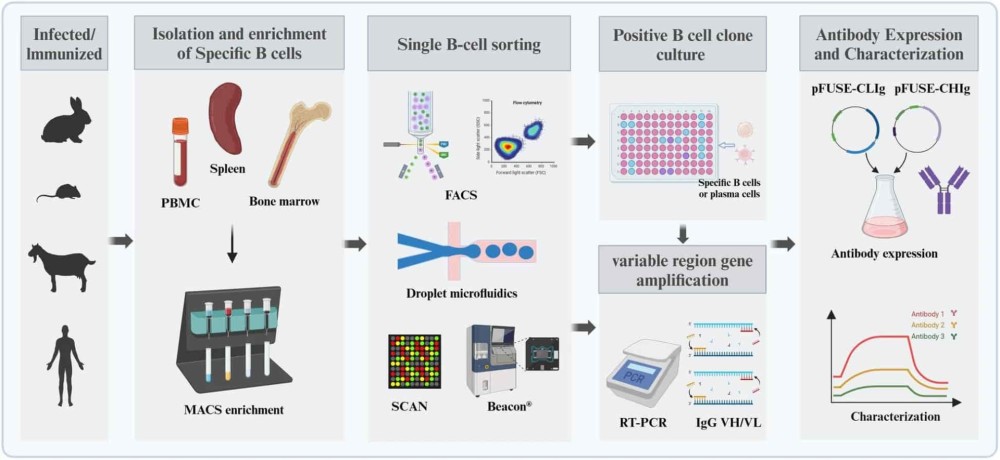
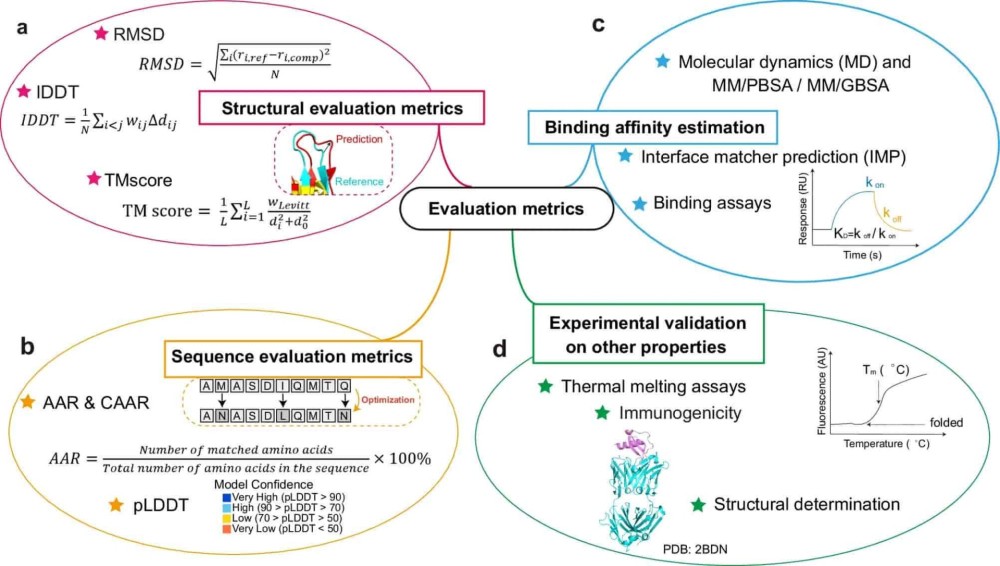


In the traditional antibody discovery paradigm, developability is often treated as a downstream quality control issue, as something to verify once a candidate has been selected for advancement. However, a shift in mindset is emerging within the biopharmaceutical industry: developability must be a design principle from the outset. This approach integrates manufacturability, stability, safety, pharmacology, and broader developability properties into early-stage decision-making, reducing the risk of failure in later stages of development for monoclonal antibodies and other antibody therapeutics.
This perspective supports a broader concept of biopharmaceutical informatics, which promotes data integration and experimental standardization to guide therapeutic development, as described by Bauer et al. (2023). While AI and machine learning plays a supporting role including the application of AI/ML models and in silico predictive tools, the emphasis is on the harmonization of computational and experimental workflows to produce reliable, reproducible data from discovery through to development, particularly in modern antibody discovery campaigns.1

The need for a developability-first approach is underscored by current trends in biologic R&D. Over the past decade, the average cost of bringing a new biologic to market has more than doubled, exceeding $3 billion. At the same time, clinical success rates for biologics have declined from roughly 30% in the early 2000s to below 12% in recent years. While this can be due to reduced biological activity or insufficient in vivo performance, many programs fail due to poor manufacturability, instability, unfavorable biophysical properties, or suboptimal pharmacokinetics.
Failures often occur late in development, when re-engineering the molecule becomes impractical due to prior investments in cell lines, toxicology studies, and clinical materials.
As a result, there is growing recognition that selecting molecules with optimal protein structure, chemical properties, and structural attributes must be a priority at the earliest stages of discovery.
Related: Why Use Developability Assessments Early in Your Discovery Workflow?
Developability can be defined as the combination of attributes that allow a molecule to be manufactured at scale, remain stable throughout shelf-life, perform safely and predictably in vivo, and meet regulatory standards. These attributes collectively form the basis of a comprehensive developability evaluation and manufacturability assessment strategy:
Manufacturability: High expression yield, efficient purification including protein A purification, and compatibility with platform processes, and scalable recombinant antibody production.
Stability: Resistance to degradation (e.g., deamidation, oxidation), protein aggregation, and denaturation under manufacturing and storage conditions, supported by integrity and stability assessment workflows.
Safety: Low immunogenicity supported by immunogenicity analysis, immunogenicity prediction, and early immunogenicity risk screening, as well as minimal off-target binding and controlled polyspecificity assessment.
Pharmacology: Appropriate serum half-life, low clearance, and target-specific biodistribution, and maintained target (antigen) binding capacity.
One emerging concept is the idea of “pre-paying for developability.” Instead of attempting to fix biophysical liabilities after lead selection, developers can design screening libraries, selection workflows, and analytical panels to eliminate unstable or poorly expressed clones at the earliest stage.1
This approach involves:
Engineering antibody libraries with developability filters (e.g., removing NG motifs, minimizing surface hydrophobicity)
Selecting framework regions known to support chemical and colloidal stability
Screening hits not only for binding affinity but also for key physicochemical properties (e.g., Tm, kD, pI)
Prioritizing clones that are both functional and well-behaved under platform conditions
The benefit of this strategy is not just risk mitigation—it also enables more reliable timelines, fewer formulation surprises, and faster advancement into clinical development. Importantly, the incremental cost of early profiling is far lower than the downstream cost of remediating a poorly behaved lead.
A major barrier to effective early-stage screening has been the lack of standardized, scalable experimental panels. Developability assessments vary widely across organizations, and methods are often difficult to compare due to differences in assay formats, expression systems, or buffer conditions.
To implement a developability-first approach, experimental screening panels must become:
Standardized: Conducted under defined conditions, with consistent thresholds for pass/fail outcomes
High-throughput: Capable of screening dozens to hundreds of candidates with minimal material
Quantitative: Yielding interpretable metrics for comparative ranking and triaging
Key assays in a standardized panel include:
Thermal stability: Using DSF or nanoDSF to determine melting temperature (Tm) as a proxy for conformational robustness
Aggregation propensity: Measured via DLS or SEC under accelerated stress conditions
Solubility: Evaluated through PEG precipitation or kD measurements to assess behavior at high concentrations
Charge heterogeneity: Assessed using icIEF or IEX to identify charge variants that may impact purity or efficacy
Viscosity risk: Inferred from hydrophobic and charge distribution modeling to anticipate formulation challenges
These assays, when applied in a consistent manner, generate a biophysical profile that can be directly compared across candidates and linked to downstream manufacturability risks.
Antibody Developability Assessment →
Biointron’s antibody discovery services are built around this developability-first mindset. By combining high-throughput protein expression with a customizable panel of developability assays, Biointron allows clients to screen early candidates not only for function, but also for their readiness to enter development.
The platform includes:
High-throughput transient expression of antibody candidates in mammalian systems in 2 weeks, up to gram-scale
Experimental screening for thermal stability, aggregation, solubility, and charge profile
Sequence-based risk prediction for PTMs, aggregation-prone regions, and unusual isoelectric profiles
This approach supports decision-making at the hit-to-lead and lead optimization stages, ensuring that molecules with desirable functional profiles also possess acceptable biophysical characteristics. By identifying and eliminating unstable clones early, Biointron helps reduce the likelihood of late-stage attrition due to formulation incompatibility or manufacturing hurdles.
The concept of designing libraries for developability extends beyond screening. Framework and CDR choices made during antibody library construction can have long-term consequences for downstream manufacturability and stability.
Optimized libraries should:
Avoid sequences with known PTM hotspots (e.g., NG, NS motifs)
Minimize regions of high hydrophobicity or high isoelectric point
Use scaffold frameworks with known expression and stability profiles
Include developability filters during diversity generation
Integrating these considerations during library construction can reduce the need for extensive downstream optimization and enable smoother progression from discovery to preclinical development.
Biointron’s services are designed to support this model, giving discovery teams the tools to select better candidates earlier, and development teams the data they need to plan with confidence.
Antibody Developability Assessment →
Bauer, J., Rajagopal, N., Gupta, P., Gupta, P., Nixon, A. E., & Kumar, S. (2023). How can we discover developable antibody-based biotherapeutics? Frontiers in Molecular Biosciences, 10, 1221626. https://doi.org/10.3389/fmolb.2023.1221626
Biointron announces limited-time RushData launch pricing for high-throughput ant……
August 2026 brought another mix of acquisitions, licensing agreements, strategic……
Antibody discovery often begins with a highly diverse population of B cells, onl……
As larger candidate panels move from computational design into the laboratory, a……