


The 23rd Annual Discovery on Target conference was held in Boston, MA, USA, from September 22-25, 2025. The event highlighted advances across protein degradation, induced proximity, synthetic biology, AI-enabled design, immune modulation, and 3D organoid modeling, alongside GLP-1 biology, MASH and obesity, ADCs, and multispecifics.
Topics included:
Degraders & Molecular Glues
Emerging Cancer Targets & Biologics
GPCR and Kinase Drug Discovery
Synthetic Biology & Smart Biologics
Immune Modulation Strategies
RNA & DNA Targeting Drugs
AI/ML-Enabled Drug Discovery
New format architectures explored affinity tuning and valency balancing to expand the therapeutic index for T-cell engagers.
Next-generation ADCs featured precise DAR control, non-disulfide cleavable linkers, and Fc silencing for improved stability and tolerability.
Studies on heterogeneity-aware ADC payloads proposed bystander-capable designs to sustain responses in antigen-variable tumors.
CD28×Nectin-4 bispecifics (Rondo Therapeutics) showed how conditional co-stimulation enhances efficacy in solid tumors while minimizing off-target T-cell activation.
Advances in GPCR-directed antibody discovery leveraged biophysical selection methods and recombinant expression systems to preserve conformational epitopes.
Affinity selection-mass spectrometry (ASMS) enabled direct detection of antibody-target binding kinetics across complex proteomes.
Talks emphasized how high-quality antigen production and stability profiling improve downstream antibody developability.
Linking GPCR ligands to antibodies showed high receptor specificity, potency, and pronounced signaling bias; facilitates selective targeting of receptor assemblies, offering a path towards logic-gated ligand function.
Yale’s genomic recoding approach expanded amino acid chemistry for “smart biologics”: antibodies with engineered residues for conjugation or activity control.
Strand Therapeutics’ STX-003 demonstrated tumor-restricted IL-12 mRNA circuits, enabling cytokine delivery with reduced systemic toxicity.
MIT’s antibody-lectin chimeras introduced glyco-immune checkpoint blockade as a novel immunotherapy modality.
Synthetic gene circuits and logic-controlled expression platforms illustrated the next wave of programmable antibody therapeutics.
Harvard research highlighted integrin-matrix biology as a blueprint for creating vascularized, antibody-relevant tissue organoids.
Opal Therapeutics showcased patient-derived uterine organoids to de-risk women’s health biologic development and enable target validation.
Talks underscored organoids as predictive tools for antibody efficacy and stability before in vivo translation.
Macrocyclic peptide conjugates targeting CD59 (Imperial College London) presented an antibody-independent route to overcome tumor immune evasion.
Sphingolipid-based degraders and RNAi conjugates were positioned as complementary to antibody payload delivery in the tumor microenvironment.
AI-based immune modeling revealed new checkpoints for selective modulation without broad immunosuppression.
LLMs and agentic AI have impacted antibody sequence design, affinity prediction, and epitope mapping, with prompt engineering, retrieval augmented generation (RAG), and fine-tuning.
DEL screening integrated with AI filtering enabled identification of novel protein–protein interaction modulators for antibody conjugation.
AI-assisted chemoproteomics and generative modeling advanced data-driven biologic optimization across stability, expression, and manufacturability.
Presenters forecasted the rise of autonomous design loops linking antibody modeling, lab automation, and functional validation.

Thank you to everyone who visited our booth at Discovery on Target 2025 to learn about our services! We had a fantastic time chatting with you and how it can help you achieve antibody development. Our expert team would be happy to answer any follow-up questions. Feel free to email us at info@biointron.com or visit our website at www.biointron.com.
Biointron announces limited-time RushData launch pricing for high-throughput ant……
August 2026 brought another mix of acquisitions, licensing agreements, strategic……
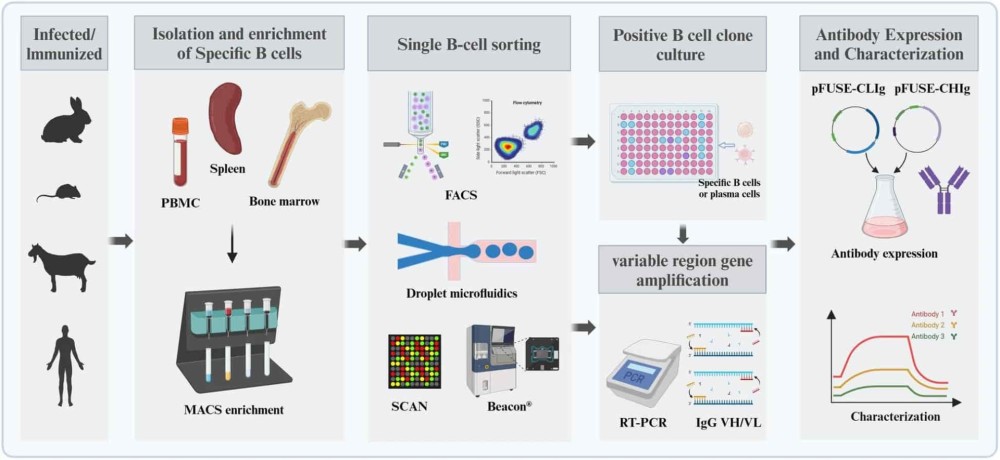
Antibody discovery often begins with a highly diverse population of B cells, onl……
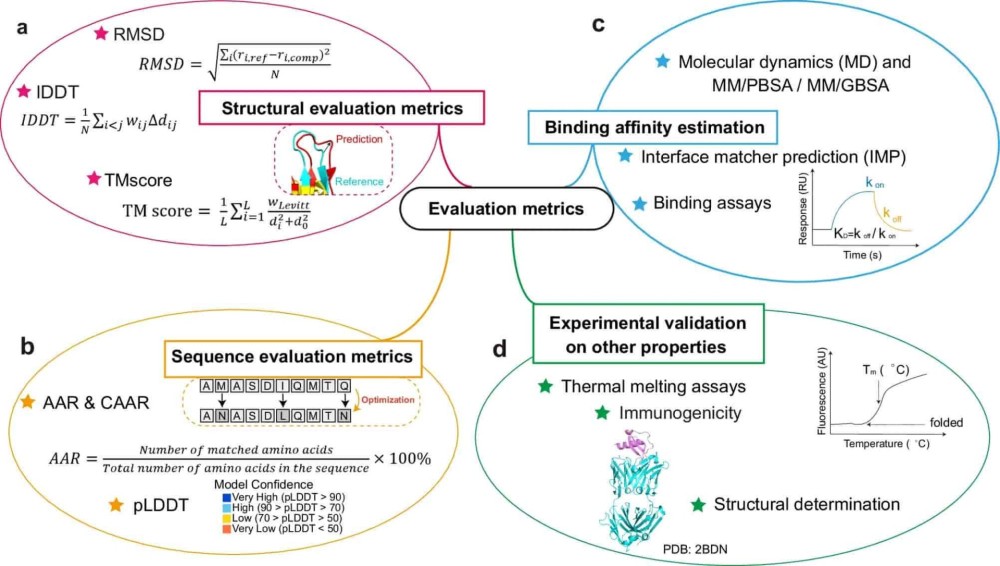
As larger candidate panels move from computational design into the laboratory, a……