


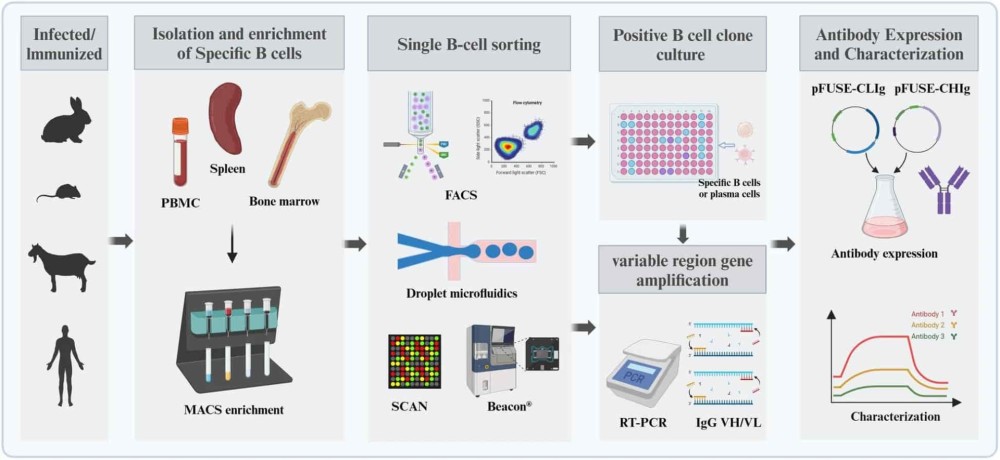



Immunotherapy is a type of treatment against cancer by activating or suppressing a patient’s own immune system. There are several types of immunotherapies, including monoclonal antibodies, T-cell transfer therapy, non-specific immunotherapies, oncolytic virus therapy, and treatment vaccines.1 These therapies can be used throughout different stages of cancer care, from metastatic to adjuvant phases.
Monoclonal antibodies are lab-engineered proteins designed to bind to specific targets on diseased cells. In cancer immunotherapy, these antibodies can:
Mark Cancer Cells: Some mAbs flag cancer cells, making them more visible to the immune system for destruction.
Deliver Toxic Payloads: Antibody-drug conjugates (ADCs) use antibodies to deliver cytotoxic drugs directly to tumor cells.
Block Disease Pathways: Therapeutic antibodies like trastuzumab (Herceptin) block growth signals in cancer cells.
Immune checkpoint inhibitors block proteins like PD-1, PD-L1, and CTLA-4, which cancer cells use to evade immune attacks. By inhibiting these checkpoints, the therapy reactivates immune cells, particularly T cells, enabling them to attack tumors more effectively.
Key examples include pembrolizumab (Keytruda) and nivolumab (Opdivo), both of which are FDA-approved for various cancers, including melanoma and lung cancer.
Adoptive cell therapies involve engineering a patient’s immune cells to enhance their ability to target and kill cancer. One example is CAR-T cell therapy, where T cells are modified to express receptors that recognize specific antigens on tumor cells.
CAR-T therapies have shown remarkable success in treating certain blood cancers, such as acute lymphoblastic leukemia and lymphoma.
Cancer vaccines aim to stimulate the immune system to recognize and attack cancer cells. Unlike preventive vaccines, treatment vaccines are designed to work against existing cancers. Sipuleucel-T (Provenge), for instance, is a vaccine for metastatic prostate cancer.
These therapies boost the immune system’s overall function. Cytokines like interleukin-2 (IL-2) and interferons enhance immune activity, while newer agents target specific immune pathways to amplify responses against cancer or infections.
Related: HTP Recombinant Antibody Production in Just 2 Weeks
Immunotherapy enhances the immune system’s ability to fight diseases in several ways:
Boosting Immune Recognition: Immunotherapies expose or emphasize tumor antigens to make cancer cells more recognizable to immune cells.
Overcoming Evasion Mechanisms: Tumors often develop ways to evade immune detection, such as suppressing immune signals or masking their antigens. Immunotherapy disrupts these mechanisms.
Amplifying Immune Responses: By activating specific immune pathways or modifying immune cells, immunotherapies amplify the body’s natural defenses.
For example, tumor-infiltrating lymphocytes (TILs) are immune cells found within tumors. Their presence often indicates that the immune system is responding to the cancer, and immunotherapy can enhance this response.
Immunotherapy has become a cornerstone of modern oncology, transforming the treatment landscape for several cancers, including melanoma, lung cancer, and bladder cancer. Immune checkpoint inhibitors have shown exceptional results in achieving long-lasting remissions, even in advanced stages.
CAR-T cell therapies and therapeutic vaccines are expanding the range of cancers that respond to immunotherapy, offering hope for conditions once considered untreatable.
In autoimmune diseases like rheumatoid arthritis and multiple sclerosis, immunotherapies modulate the immune response to reduce inflammation and tissue damage. Therapeutic antibodies like infliximab (Remicade) target specific pathways involved in autoimmune activity.
Immunotherapies are being explored for infectious diseases such as HIV and chronic hepatitis. By boosting the immune response, these treatments aim to improve viral suppression and reduce disease progression.
Combining immunotherapy with traditional treatments like chemotherapy or radiation is showing promise in overcoming resistance. For example, using immune checkpoint inhibitors alongside radiotherapy can improve antigen presentation, making tumors more susceptible to immune attacks.
Advances in genomics and proteomics are enabling the development of personalized cancer vaccines and engineered antibodies tailored to individual patients’ tumor profiles.
Emerging research highlights the microbiome’s role in immunotherapy effectiveness. A healthy gut microbiome has been linked to better responses to immune checkpoint inhibitors. This finding opens new avenues for microbiome-targeted interventions to enhance treatment outcomes.
References:
National Cancer Institute. (2019, September 24). Immunotherapy for Cancer - NCI. NIH. https://www.cancer.gov/about-cancer/treatment/types/immunotherapy
Esfahani, K., Roudaia, L., Buhlaiga, N., Del Rincon, S. V., & Papneja, N. (2020). A review of cancer immunotherapy: From the past, to the present, to the future. Current Oncology, 27(Suppl 2), S87. https://doi.org/10.3747/co.27.5223
Biointron announces limited-time RushData launch pricing for high-throughput ant……
August 2026 brought another mix of acquisitions, licensing agreements, strategic……
Antibody discovery often begins with a highly diverse population of B cells, onl……
As larger candidate panels move from computational design into the laboratory, a……