


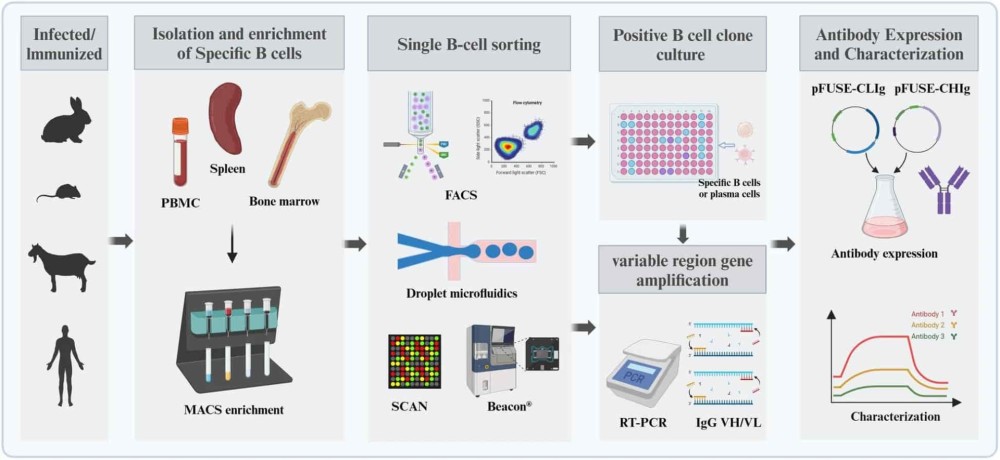
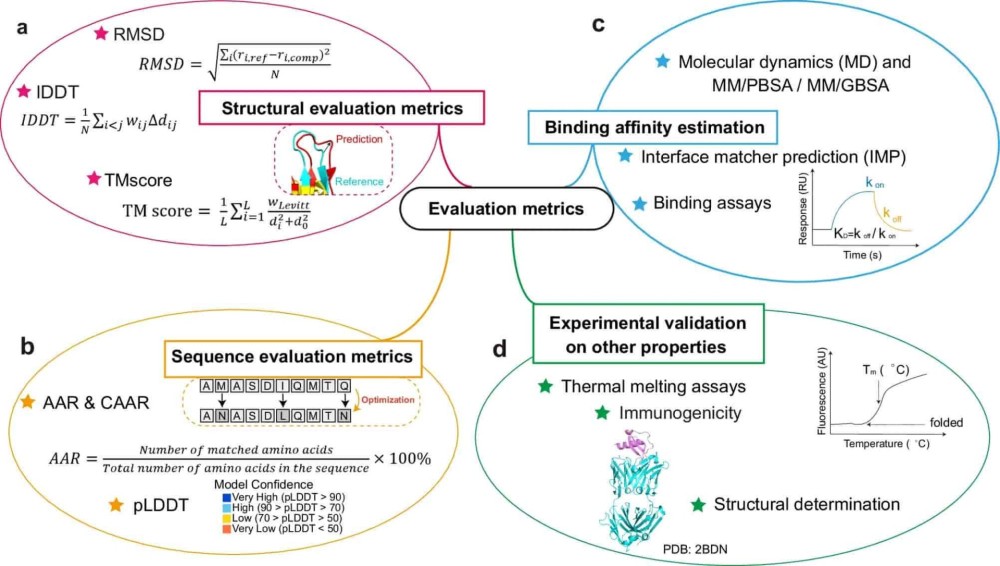


Antibody humanization is a molecular engineering technique used to modify non-human antibodies (typically mouse-derived) such as murine antibodies, so they more closely resemble human antibodies. This process involves replacing most of the non-human antibody framework with human antibody sequences while preserving the antigen-binding sites (known as complementarity-determining regions (CDRs)) that determine specificity.
The primary goal of humanization is to reduce the immunogenicity of therapeutic antibodies when administered to humans. By minimizing the presence of foreign protein sequences, humanized antibodies are less likely to trigger an immune response, such as the production of human anti-mouse antibodies (HAMA), which can compromise both safety and efficacy. Humanization is therefore a critical step in the development of monoclonal antibodies for clinical trials and other therapeutic applications. It is a critical step in the development of therapeutic antibodies for chronic and autoimmune diseases, where repeated dosing is often required, and immune tolerance is essential.
Antibody humanization has evolved through a series of increasingly sophisticated antibody humanization techniques aimed at reducing immunogenicity while preserving antigen-binding specificity. This progression from chimeric constructs to fully human antibodies forms the backbone of modern therapeutic antibody development.
Chimeric antibodies represent the first step toward humanization. These molecules combine murine variable domains (responsible for target antigen recognition) with human constant domains. By replacing the constant region, chimeric antibodies reduce immunogenic risk compared to fully murine antibodies while maintaining functional antigen binding. However, their non-human sequences can still provoke an immune response in some patients, limiting long-term use.
Complementarity-determining region (CDR) grafting is a more refined technique that involves transferring only the non-human CDR loops, which are the key loops that define antigen specificity, onto a fully human antibody framework. This approach retains the binding capability of the original antibody while significantly reducing the likelihood of an immune response. To maintain structural integrity and binding affinity, certain CDR residues, especially within the vernier zone (framework regions supporting the CDR conformation), may be selectively retained.
Achieving optimal functionality often requires more than basic grafting. Structural modeling, back-mutation strategies, and computational analyses help identify specificity-determining residues that influence CDR positioning and antigen affinity. These targeted modifications ensure that the humanized antibody maintains high binding performance without triggering undesirable immune responses.
Modern antibody engineering tools further refine this process, allowing developers to balance reduced immunogenicity with therapeutic efficacy.
Related: Antibody Humanization
As therapeutic antibody development continues to advance, humanization approaches have become more precise, efficient, and tailored. New technologies and integrated platforms are enabling developers to minimize immunogenicity risks while maximizing therapeutic potential.
Modern humanization workflows increasingly rely on bioinformatics to guide design decisions before laboratory implementation. In silico tools can predict potential T-cell epitopes, assess immunogenic hotspots, and suggest optimal germline sequences and framework region substitutions. These algorithms accelerate candidate screening and reduce the trial-and-error associated with wet-lab testing.
Beyond CDR grafting, fully human monoclonal antibodies can now be generated directly using transgenic mice that carry human germline sequences. These platforms produce high-affinity, fully human antibodies without the need for subsequent humanization. Similarly, phage display libraries enable the in vitro selection of antibody fragments from large antibody libraries, supporting rapid identification of candidates with optimal structures of antibody and reduced immunogenicity. This represents one of many alternative approaches to humanization.
Humanized antibodies now represent a large portion of approved biologics due to their improved safety profiles and reduced immunogenicity. Notable examples include:
Trastuzumab (Herceptin): A humanized anti-HER2 monoclonal antibody used in HER2-positive breast cancer.
Omalizumab (Xolair): Targets IgE and is used to treat allergic asthma and chronic idiopathic urticaria.
Compared to murine and chimeric counterparts, humanized antibodies demonstrate longer half-lives, improved patient tolerance, and reduced incidence of anti-drug antibody (ADA) formation, which are key factors for long-term treatment efficacy.
Biointron combines advanced molecular design with proprietary technologies to deliver humanized antibodies with preserved affinity and minimized immunogenicity, all within industry-leading timelines.
Using a refined combination of CDR grafting, back mutation, and structural modeling, Biointron ensures that critical binding characteristics are retained. Framework selection and residue optimization are informed by predictive modeling to ensure functional stability and therapeutic relevance.
Biointron delivers humanized antibody candidates within just 4-5 weeks.
HUGO-Ab™: A proprietary transgenic mouse platform that generates fully human antibody sequences, eliminating the need for post-discovery humanization.
AbDrop™: A single-cell antibody discovery platform that enables rapid identification of high-affinity candidates directly from immune cells, accelerating lead generation and downstream development.
As the demand for biologics grows, the ability to efficiently humanize antibodies becomes a key differentiator in reducing development risks and timelines. Biointron integrates advanced computational modeling, robust in vivo systems, and high-throughput engineering to streamline this process. By bridging innovation with reliability, Biointron empowers researchers to navigate complex biologic pipelines and accelerate the delivery of next-generation therapies to patients.
Mak, T. W., & Saunders, M. E. (2006). Exploiting Antigen–Antibody Interaction. The Immune Response, 147-177. https://doi.org/10.1016/B978-012088451-3.50009-0
Yaghoub Safdari, Safar Farajnia, Mohammad Asgharzadeh & Masoumeh Khalili. (2013). Antibody humanization methods – a review and update. Biotechnology and Genetic Engineering Reviews, 29(2), 175-186. https://doi.org/10.1080/02648725.2013.801235
Harding, F. A., Stickler, M. M., Razo, J., & DuBridge, R. B. (2010). The immunogenicity of humanized and fully human antibodies: Residual immunogenicity resides in the CDR regions. MAbs, 2(3), 256-265. https://doi.org/10.4161/mabs.2.3.11641
Biointron announces limited-time RushData launch pricing for high-throughput ant……
August 2026 brought another mix of acquisitions, licensing agreements, strategic……
Antibody discovery often begins with a highly diverse population of B cells, onl……
As larger candidate panels move from computational design into the laboratory, a……