


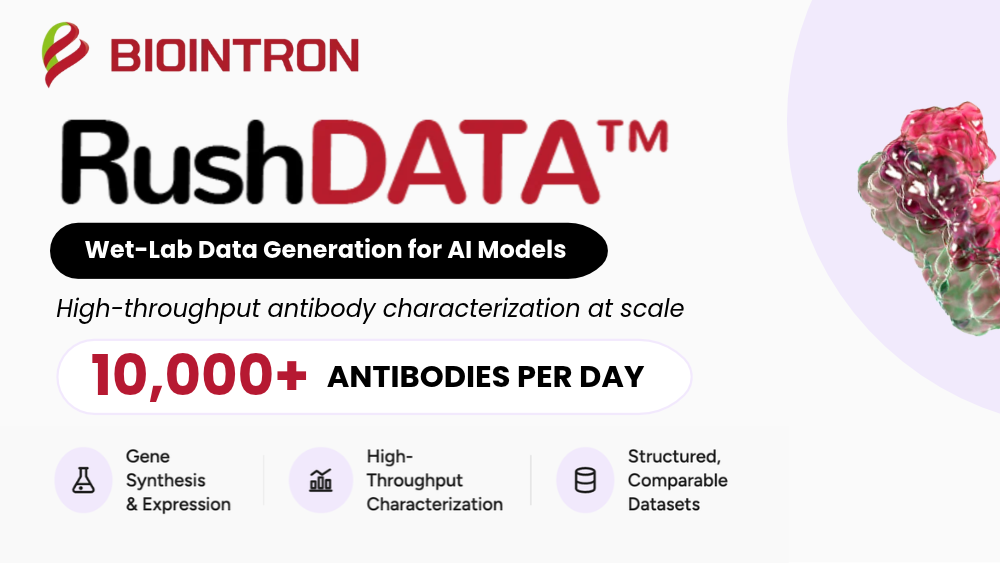



Explore RushData insights on sequence-to-data workflows, high-throughput antibody expression and characterization, binding and developability assays, and the generation of structured, AI-ready antibody data.
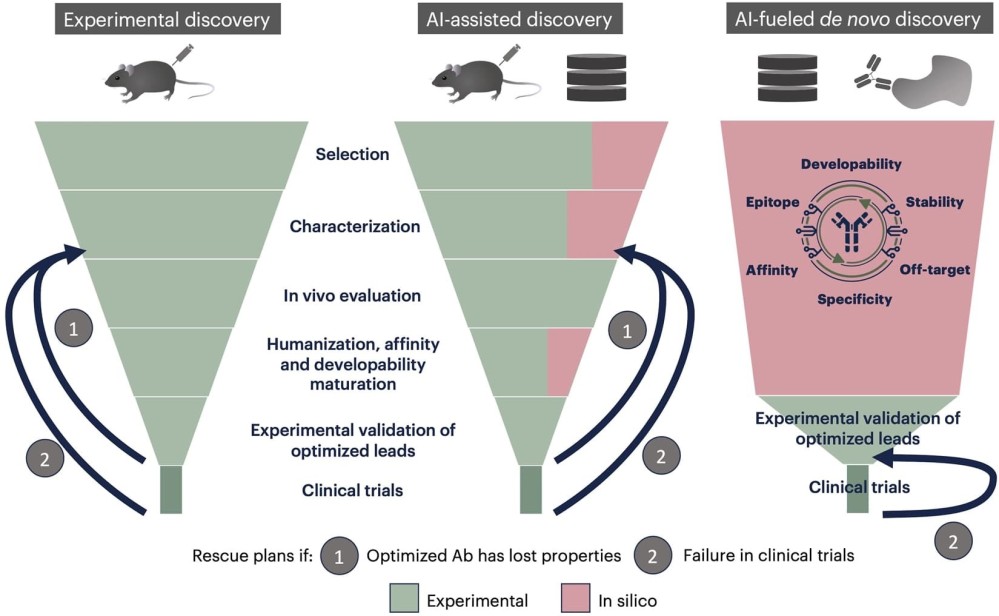
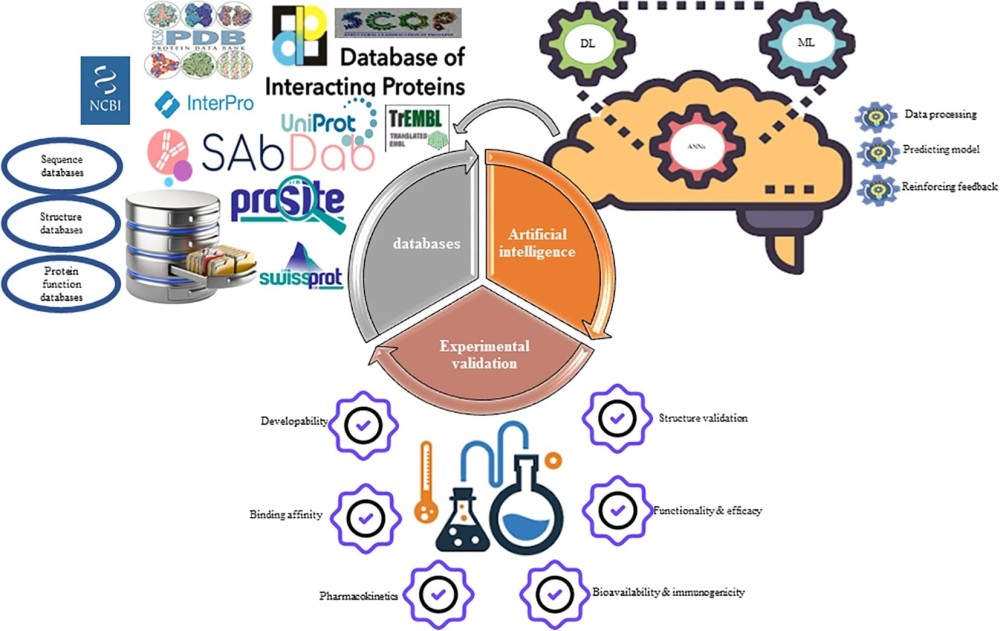
Artificial intelligence (AI) is transforming antibody discovery by enabling researchers to design and optimize thousands of antibody sequences in a fraction of the time required by traditional approaches. However, while computational design has become increasingly efficient, experimental validation has struggled to keep pace.
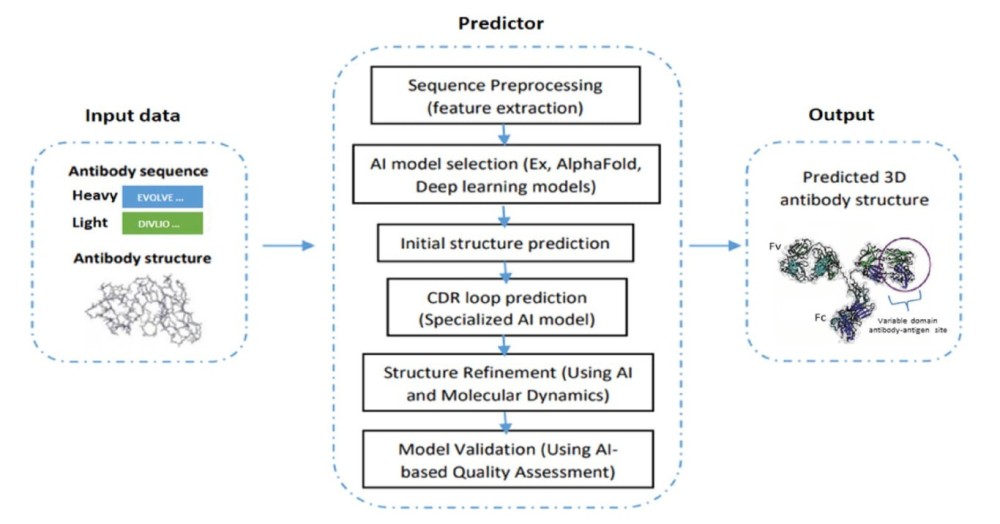
Learn how predicted antibody structures help screen AI-designed candidates, assess CDR-H3 limits, and why wet lab validation remains essential.
Compare RushDATA Basic, Standard and Premium: BLI affinity, SPR kinetics, DSF, PSR-BVP and AC-SINS for AI-designed antibodies. Data in 2-3 days.
Recombinant antibody production involves introducing the genetic sequence encoding an antibody into a suitable expression host. The host's cellular machinery then produces the protein, which can be collected and purified for downstream analysis.
Antibody discovery has traditionally relied on screening large libraries of molecules to identify candidates that recognize a specific target. Although established techniques such as hybridoma technology and phage display have been successful, identifying and optimizing promising antibodies can require extensive experimental work.
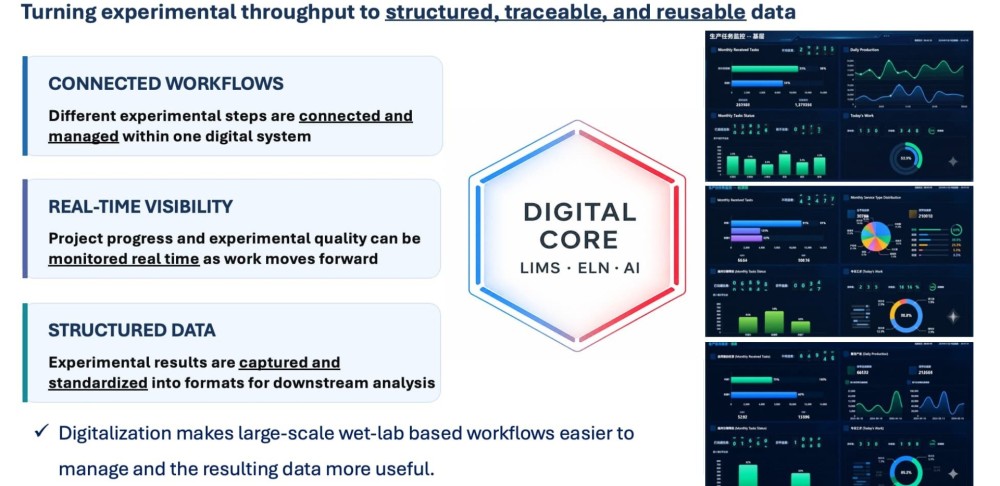
As AI models become more involved in antibody discovery and design, the need for reliable experimental data is growing. Turning predicted sequences into structured, comparable assay results is an important step towards connecting computational predictions with laboratory evidence.Antibody design is
Discover how high-throughput wet-lab validation connects AI-designed antibody sequences to experimental data, enabling faster screening and model refinement.
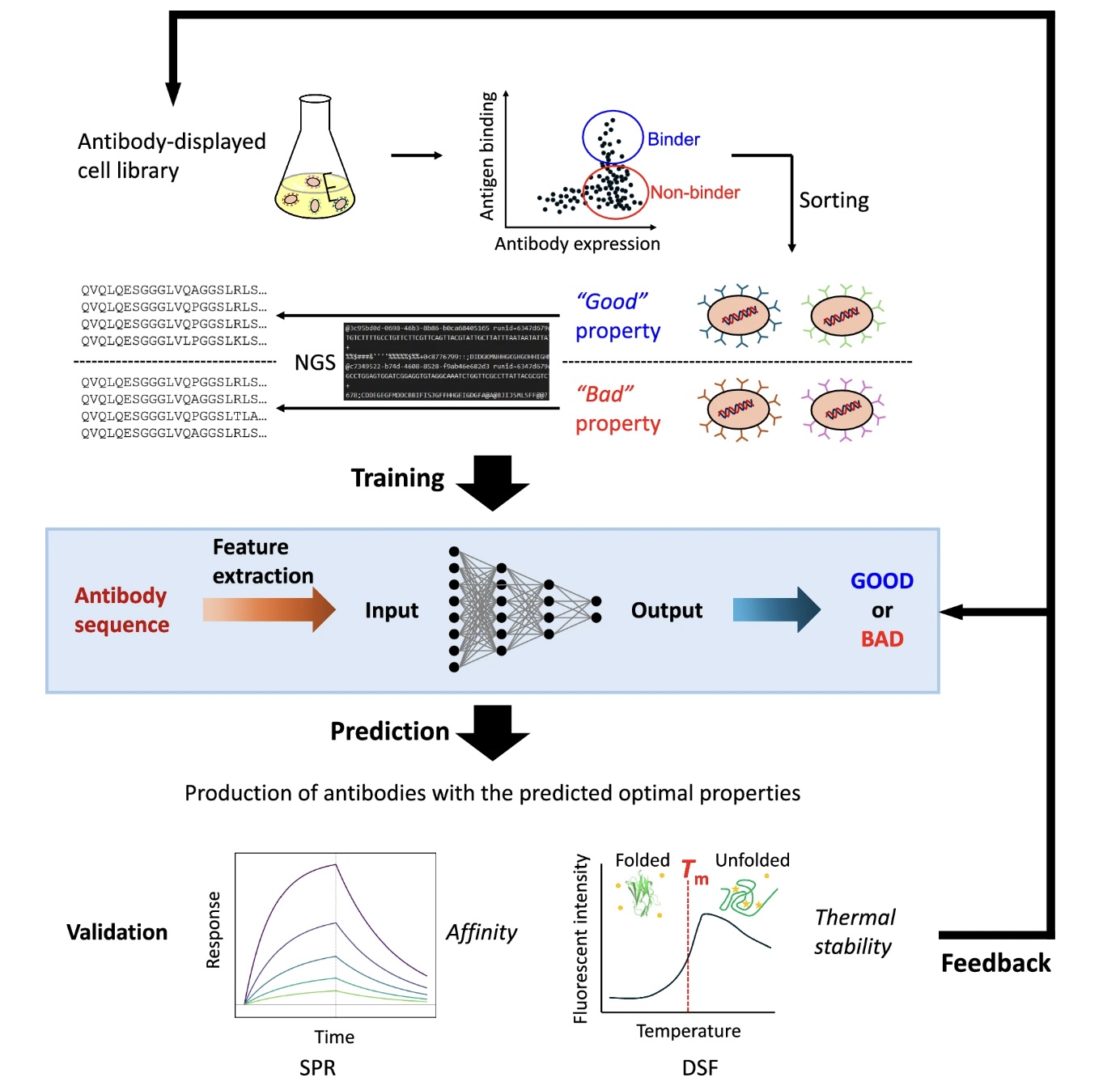
Learn how AI antibody discovery connects computational design with antibody expression, binding assays, and experimental feedback for candidate selection
What makes antibody data AI/ML-ready? Explore data quality, assay metadata, and experimental validation—and plan your next dataset with Biointron RushData.
An AI-designed antibody may look promising but express poorly or bind weakly. Explore how experimental testing informs candidate selection and model refinement.
Expression conditions shape antibody screening results. Explore when CHO-derived data are useful for candidate assessment and AI model training.
A confident structure prediction does not establish antibody function. Explore experimental checks for expression, binding, and application-specific activity.