

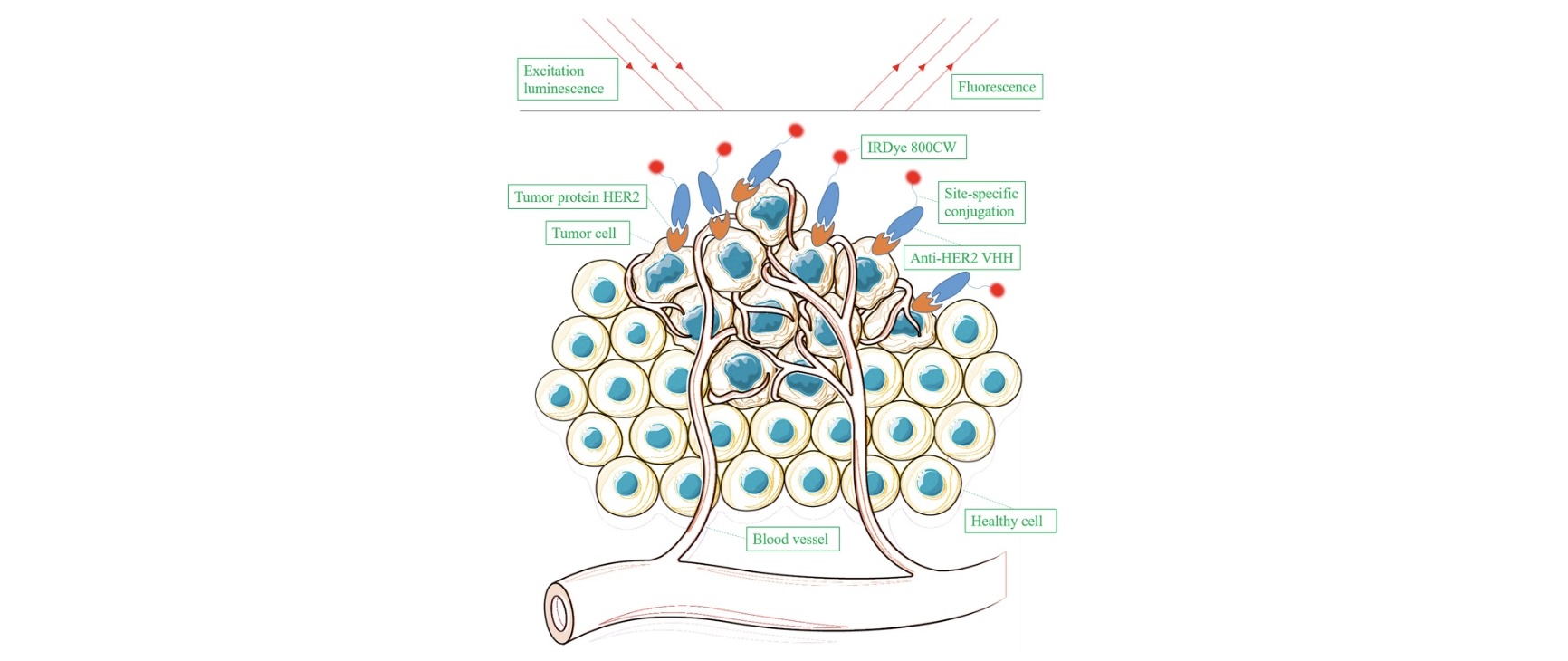





Explore VHH antibody production strategies for molecular imaging probes, including PET, SPECT, MRI, and optical imaging applications using nanobodies.
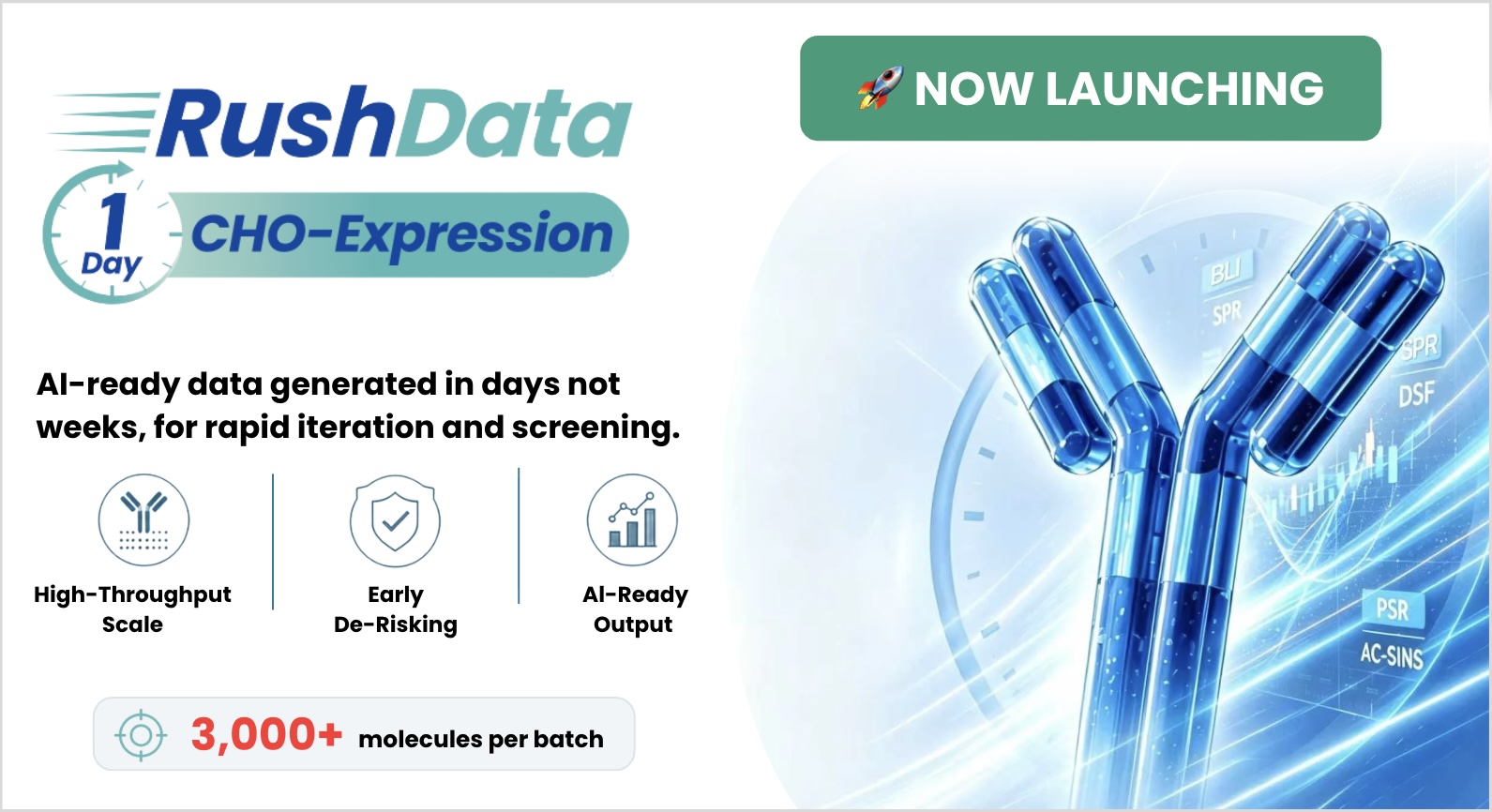
Expression conditions shape antibody screening results. Explore when CHO-derived data are useful for candidate assessment and AI model training.
June 2026 included acquisitions of late-stage antibody developers, partnerships involving multispecific and AI-enabled discovery platforms, and financings supporting programs across oncology, immunology, ophthalmology, neurology, and infectious disease.
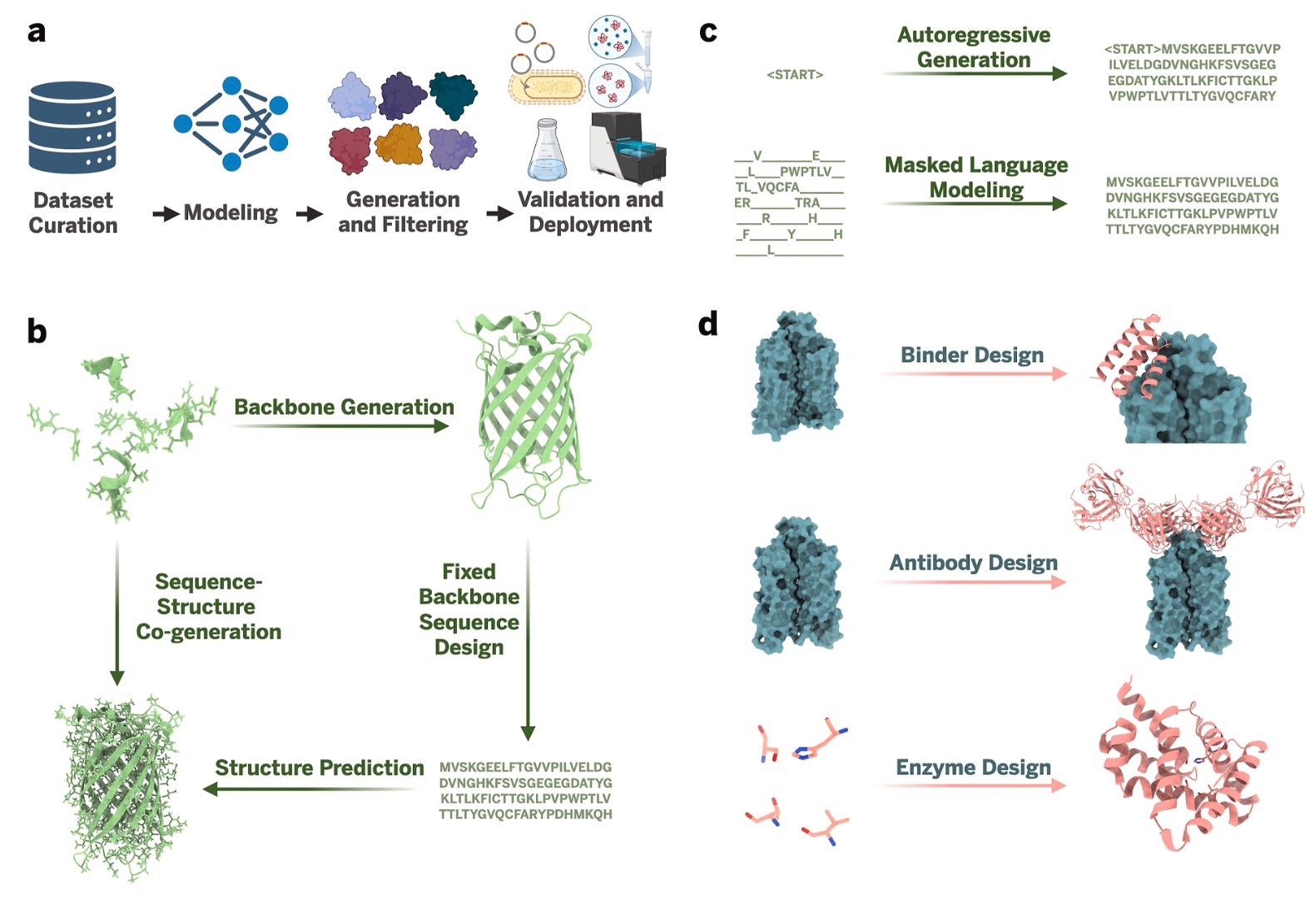
A confident structure prediction does not establish antibody function. Explore experimental checks for expression, binding, and application-specific activity.
Two popular topics discussed at the 2026 BIO International Convention were developments in antibody-drug conjugates (ADCs) and AI in biology. Held on June 22-25 in San Diego, California, read on for a quick recap.
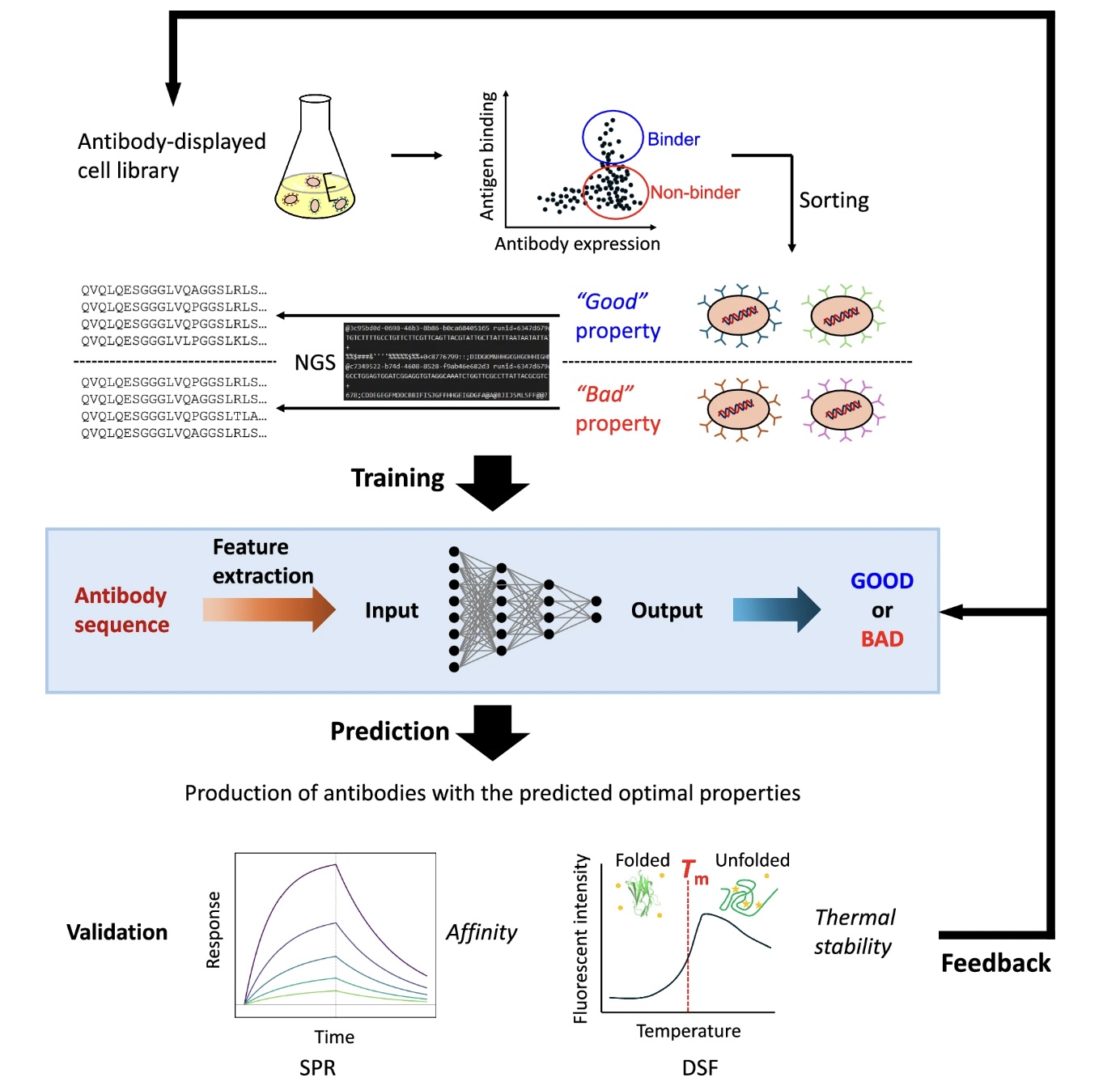
AI is changing antibody discovery, but model performance depends on the quality of the experimental data used to train, validate, and refine predictions. Antibody researchers increasingly need more structured, comparable, and biologically meaningful datasets that link sequence design to expression, binding, and developability outcomes.
Antibody discovery has become increasingly sequence-rich. Display technologies, single B cell workflows, computational design, and AI-enabled antibody engineering can now generate large numbers of candidate sequences for evaluation. However, a larger sequence pool does not automatically translate into better lead candidates.
Biointron, a leading contract research organization specializing in antibody discovery, expression, and optimization for global biotechnology and pharmaceutical companies, has released RushData, a new service for antibody discovery uniquely suited for AI/ML driven workflows.AI-driven antibody
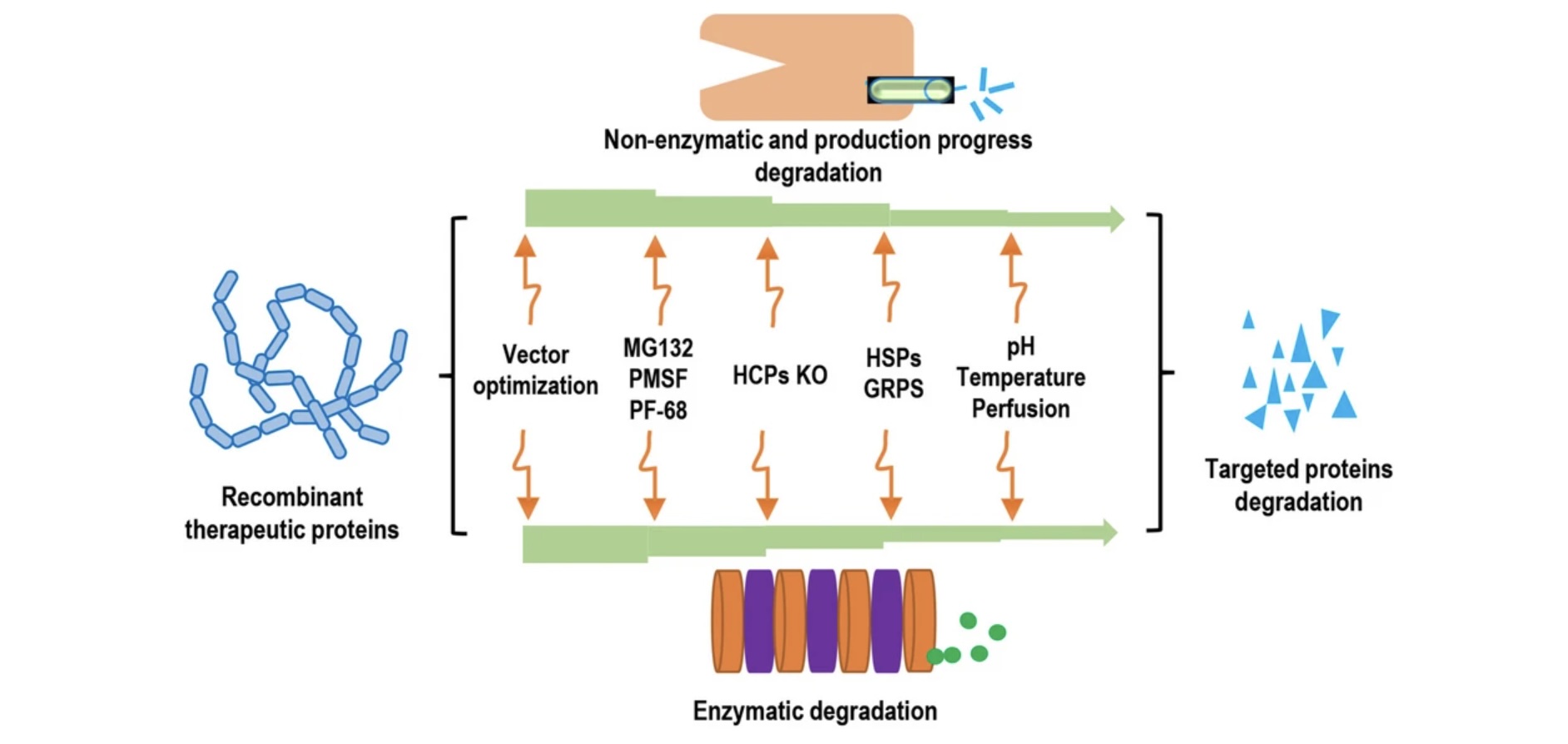
Post-translational modifications (PTMs) are chemical or structural changes made to a protein after it has been synthesized. These include addition of carbohydrate chains, oxidation of amino acid side chains, deamidation, disulfide bond formation or disruption, and proteolytic cleavage.
Research recap on Antibody Engineering & Therapeutics Europe 2026. Antibody innovation is clearly advancing towards engineered, data-driven, and conditionally active therapeutics.
May 2026 saw deal activity across oncology, immunology, infectious disease, and autoimmune indications. Large strategic collaborations highlighted continued pharma interest in ADCs, multispecific antibodies, T-cell engagers, and antibody-based delivery platforms.
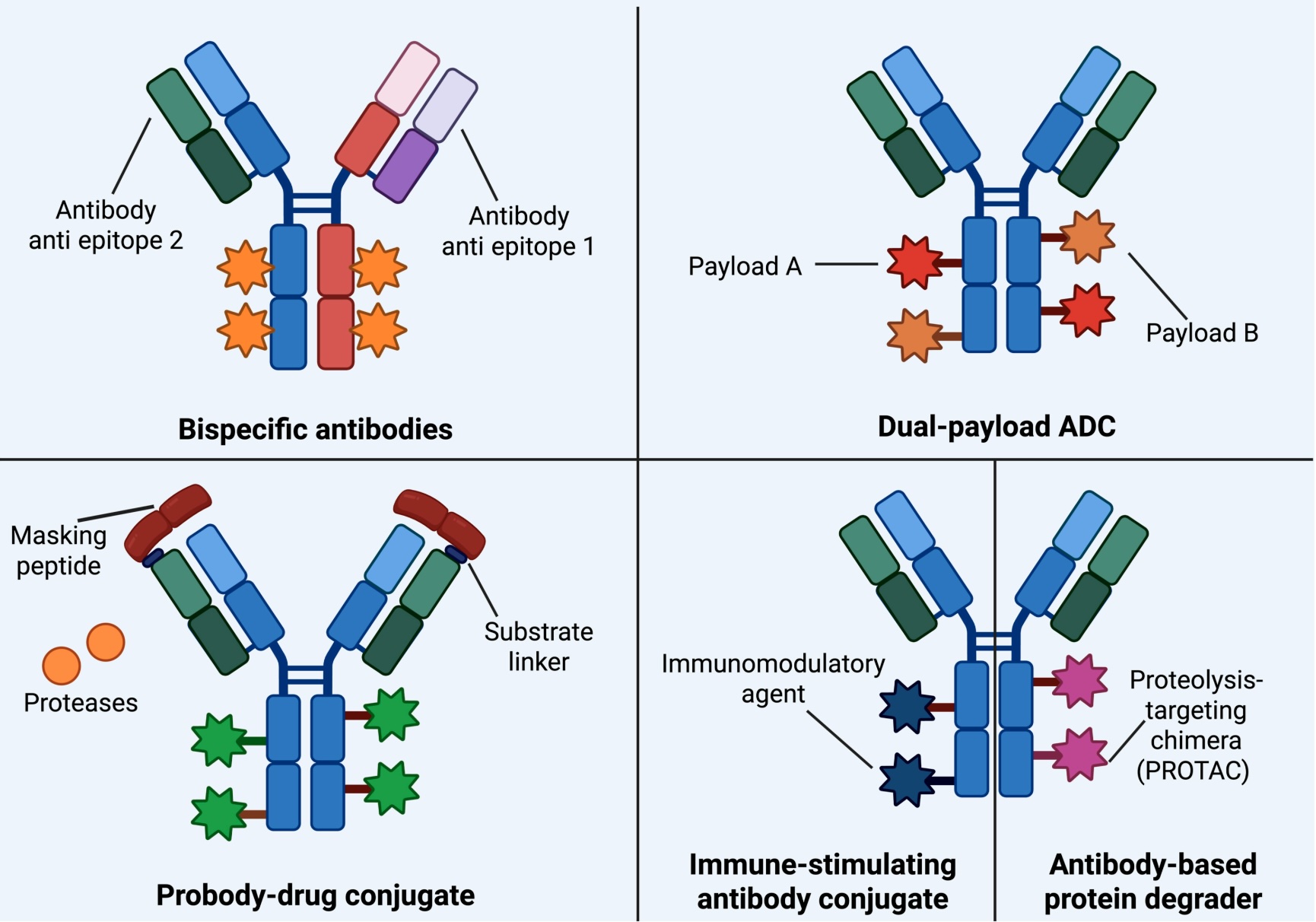
In this article, we explore the major trends shaping the future of targeted cancer drug delivery, and why integrated expertise in antibody discovery, engineering, and conjugation is becoming increasingly important for successful ADC development.